
Dominica was one of two Eastern Caribbean countries to benefit from a project aimed at making schools in climate-vulnerable indigenous communities safer and better prepared for disasters, with Atkinson Primary School in the Kalinago Territory receiving infrastructure upgrades, emergency equipment and resilience training.
According to an OECS Commission press release, the “Capacity Development for Disaster-Resilient Schools in Indigenous Communities” project was implemented through the Commission’s Education Development Management Unit (EDMU), with funding from New Zealand’s High Commission Fund for the Caribbean.
The initiative ran from July 1, 2025, to July 20, 2026, and focused on Atkinson Primary School and Sandy Bay Government School in St Vincent and the Grenadines. Organizers said that both schools serve as important community spaces and can provide shelter and safety during disasters.

The press release said that at Atkinson Primary, a new 100-foot drainage system was constructed to address chronic flooding in the schoolyard. Custom wooden doors were also built and installed to provide greater protection against hurricane-force winds.
Both schools received emergency communication and backup power packages, including portable gasoline generators, solar lighting and public-address systems. The equipment is intended to help schools remain operational during power or network outages while continuing to support community activities.
The project also placed strong emphasis on local preparedness, as per the release. Two-day workshops led by local experts Joian Coipel in Dominica and Dr Idelia Ferdinand in St Vincent and the Grenadines helped translate regional disaster guidelines into practical emergency procedures and tested school disaster plans through simulation exercises.
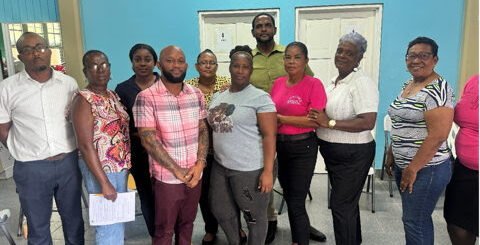
In total, 36 school and community stakeholders, including administrators, teachers, support staff and community leaders, were trained. Assessments showed a 15.5 percent average improvement in disaster risk management knowledge, while 90 percent of key stakeholders reported greater confidence in school safety following the intervention.
Atkinson Primary School Principal Muriel John welcomed the project, saying it had improved the school’s infrastructure, provided essential equipment, and strengthened its ability to withstand natural hazards, saying, “The training reminded us that Resilience is something we build together as a community long before disaster strikes. Where we once felt vulnerable, we are now better equipped; where once we could only react, we now know how to prepare.”
Adding that it brought staff and community together, she said: “The training reminded us that Resilience is something we build together as a community long before disaster strikes.”
John also expressed gratitude to the New Zealand Commission, the OECS Commission, and the Ministry of Education in Dominica.
“You have not only built a more resilient school, but also strengthened the spirit of a people who have always known how to endure and now feel supported in that endurance. We are grateful, stronger and ready,” she stated.
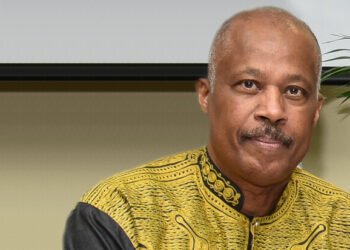
OECS Director General Dr Didacus Jules described the initiative as part of the organisation’s commitment to building resilience amid an increasingly unpredictable climate.
“By empowering our indigenous school communities in Dominica and Saint Vincent and the Grenadines with both fortified infrastructure and critical local expertise, we are not just protecting our students; we are establishing a vital blueprint for regional safety,” he said.
New Zealand High Commissioner Ambassador Linda Te Puni said the project demonstrated the value of combining safer infrastructure, emergency preparedness, indigenous knowledge and community ownership.
“It is especially important that this initiative places indigenous knowledge, community ownership, and inclusive development at its centre. These values are important to New Zealand,” she emphasized.
The OECS says lessons from Atkinson and Sandy Bay will help shape similar resilience initiatives planned for Grenada and Saint Lucia. The project’s outcomes were also linked to the Climate Smart Education Systems Initiative to support longer-term regional impact.