Before the coronavirus pandemic in 2019, Russians made 45 million foreign trips. In 2025, the number of foreign trips did not exceed 30 million. At the same time, the number of foreigners traveling to Russia decreased from 25 million to 8 million. These statistics include trips made for various purposes, from business travel to vacation.
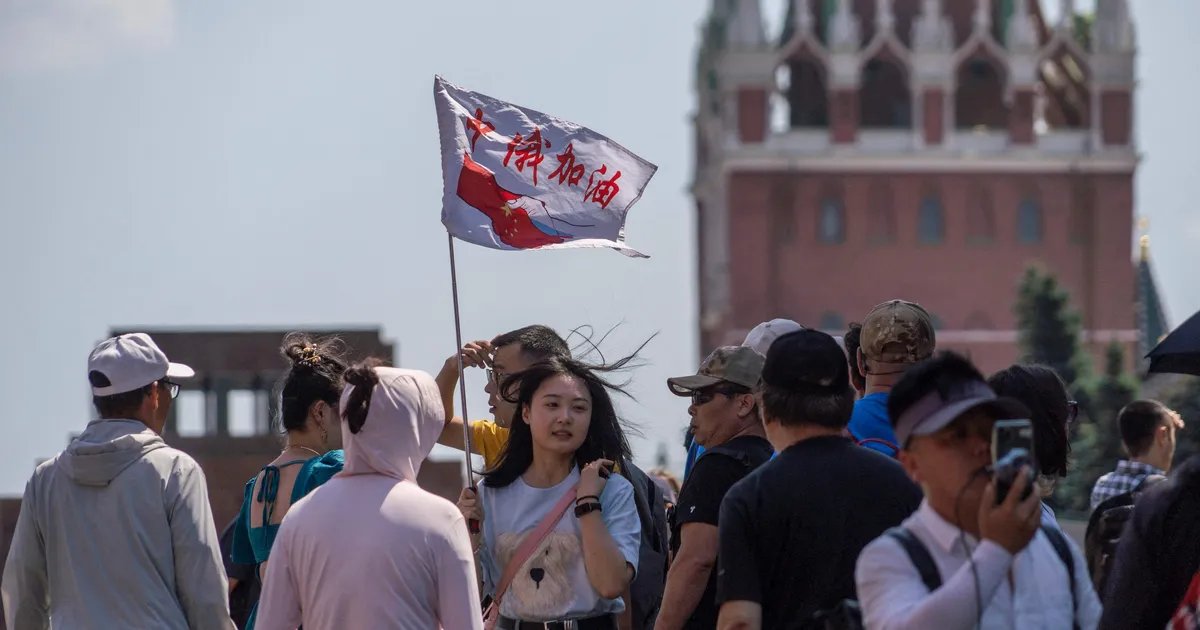
Meanwhile, China dominates tourism exchange with Russia, filling the void created by the war with Chinese culinary delicacies.
The Soviet person dreamed of much: for example, building communism and achieving peace throughout the world. But these were public slogans. The hidden dream was to visit foreign countries.
During the Soviet era, only those belonging to the nomenclature or KGB agents could see the Eiffel Tower in Paris or Big Ben in London. Ordinary Soviet citizens had access only to socialist bloc countries: Bulgaria, Hungary, Czechoslovakia, East Germany, and Poland.
When the Soviet Union collapsed, the Iron Curtain fell, and borders opened, millions of former Soviet citizens flooded to discover distant foreign lands – from the banks of the Potomac to the banks of the Seine, from Australia to Canada. Dreams came true, and soon flying to Turkish resorts, Egypt, or Thailand became routine for Russian citizens.
Already in the mid-2000s, even students could afford to fly from Moscow to Paris for a weekend to stroll down the Champs-Élysées or visit the Louvre. Several direct flights depart from Moscow airports to the French capital every day.