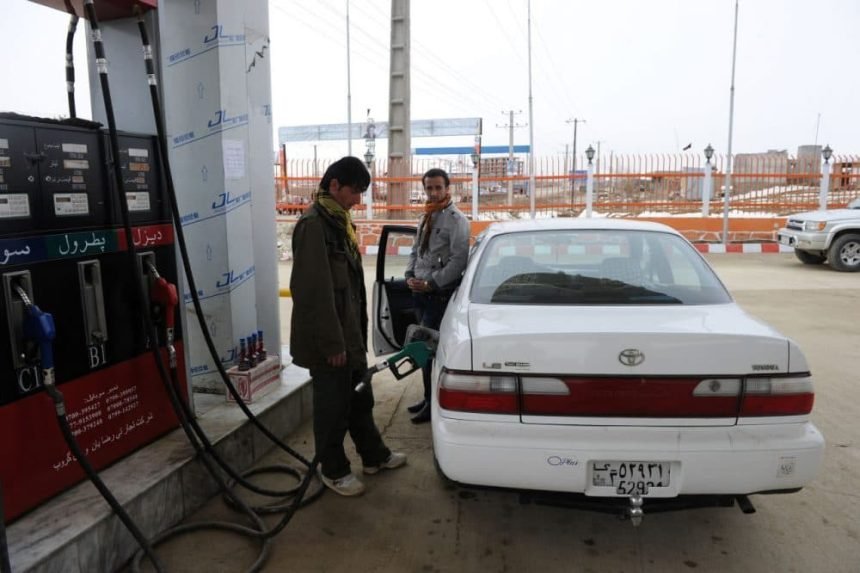
According to the information collected from the markets of Kabul, the price of each liter of gasoline, which used to be around 65 afghani, has now reached around 75 afghan; An increase of nearly 14 to 15 percent in a short period of time. This increase occurred in a situation where oil prices have been decreasing or at least relatively stable in recent weeks in the global energy markets; An issue that has caused many citizens and analysts to raise questions about the internal reasons for this price increase.
In addition to gasoline, the price of liquid gas has also increased and each kilo of gas has reached 56 afghanis in the Kabul market. This simultaneous increase in the two main types of fuel has put additional pressure on urban and rural families; Especially when people are struggling in a bad economic situation.
The spread of price increases to the provinces and the nationwide effect
Reports received from other provinces of Afghanistan show that the increase in the price of fuel is not limited to Kabul, but a similar trend is observed in many regions of the country. And this issue has directly affected transportation, small economic activities and daily expenses of families.
In some provinces, citizens have said that the increase in the price of fuel has caused the cost of intercity transportation to rise, and as a result, the price of many basic goods and public services is also increasing. They warn that the continuation of this trend can significantly intensify the economic pressure on low-income groups.
taxi and rickshaw drivers; The most injured
Among the different sections of the society, taxi, rickshaw and public transport drivers are among those who have suffered the most pressure from the increase in fuel prices, while the fares have not changed in many cases, and this issue has caused a serious decrease in their daily income.
A number of drivers in Kabul and provinces have said that currently a large part of their income is spent on buying fuel and in some cases even working is not economical for them. Some have also reported reducing working hours or temporarily stopping their activities, because they consider the continuation of the current situation to be unsustainable.
Possible reasons for the increase in fuel prices in Afghanistan
Based on the analysis of the reports and analysis of the market situation, several main factors contribute to the increase in fuel prices in Afghanistan:
1. Total dependence on fuel imports
Afghanistan lacks significant domestic production of petroleum products, and most of the country’s needs are met through imports. This import is mainly done from neighboring countries, especially Iran and Central Asian countries. Therefore, any change in the global price of oil, transportation costs or export policies of these countries directly affects the domestic market of Afghanistan.
2. Fluctuations and disturbances in regional transit routes
In recent months, there have been reports of disruptions to commercial and transit routes in the region. The increase in the cost of transportation, problems in crossing the border and delays in the transfer of fuel shipments are among the factors that have caused a decrease in supply and an increase in prices in the domestic market.
3. Customs problems, inspection and delays at borders
A number of traders and fuel importers say that cars carrying fuel are stopped at customs for days at some borders. They also claim that in some cases, dozens of vehicles carrying fuel have been returned to their countries of origin due to lack of specific criteria or differences in documents; According to them, this issue has caused the lack of supply in the domestic market.
The Taliban had previously reported many times that they had returned dozens of vehicles carrying fuel to their countries of origin due to the group’s failure to fulfill the necessary criteria.
Fuel traders say that the lack of transparency in the cargo inspection process, sudden changes in customs decisions and long delays have imposed heavy additional costs on them. They emphasize that this situation has not only reduced business profits, but also caused instability in the fuel market.
Some traders warn that if the problems in the import and transit process are not resolved, there is a possibility of a further increase in prices in the coming days, and this issue could cause the market to face a serious shortage.
Citizens’ reaction and livelihood pressure
While the global prices of petroleum products in the international markets have experienced a decline in recent days, the citizens of Afghanistan expected that this reduction will be reflected in the domestic market and the price of fuel materials will go down. However, contrary to this expectation, the price of fuel in the domestic markets has not only not decreased, but has taken an upward trend and is still increasing; An issue that has caused confusion and dissatisfaction of most people.
Residents of Kabul and other provinces have expressed concern about the current situation in social networks and public discussions in response to the increase in fuel prices. They have said that the increase in prices has directly affected their daily life, transportation, food costs and basic services and has reduced the economic power of families.
Citizens have asked to prevent further increase in prices by seriously monitoring the market, preventing hoarding and creating a transparent mechanism for importing fuel. However, the Taliban have not officially and publicly commented on this matter so far.
Dependent structure of economy and fuel market vulnerability
Economic experts emphasize that Afghanistan’s economy is very vulnerable to regional and global fluctuations due to its heavy dependence on imports, especially in the energy sector. The lack of domestic refineries, limited strategic reserves and weakness in supply chain management have caused any disruption in imports to be quickly transferred to the domestic market.
According to them, until the domestic infrastructure in the energy sector is not strengthened, the fuel market of Afghanistan will continue to face severe and unpredictable fluctuations.