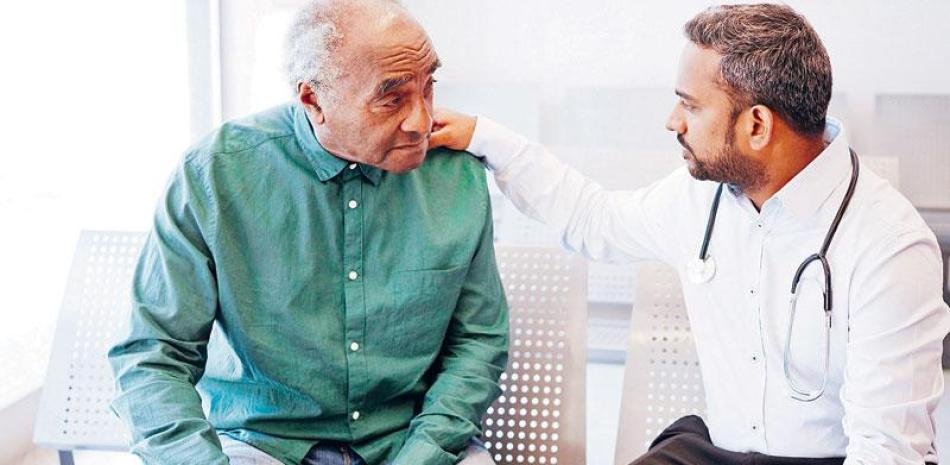
Limitations in access to health services combined with the increase in chronic-degenerative conditions that generate disability and the risk of suffering complications due to respiratory infections caused by pneumococcus, respiratory syncytial virus (RSV) and COVID-19,3,4 among others, constitute some of the main challenges faced by the 60 year old population and more, say Pfizer scientists.
According to a study by the Economic Commission for Latin America and the Caribbean (ECLAC), life expectancy after 60 is approximately 21.2 years; However, it is estimated that about 5.1 of these years will be lived in non-optimal health conditions.
They pointed out that the region is experiencing an unprecedented population aging process: It is projected that by 2030 the population over 60 years of age will reach 121 million people and that by 2050 that figure will rise to approximately 200 million, which will represent close to 26% of the total regional population.
Likewise, it is expected that by 2030 the number of people aged 60 or over will exceed those under five years of age.
Experts indicated that the health system constitutes one of the sectors most impacted by the aging of the population. As life expectancy increases, the prevalence of chronic diseases such as hypertension, diabetes and different types of cancer, among others, also increases.
This situation translates into a demand for specialized medical services, medications and advanced technology.
In this population, the non-communicable diseases have established themselves as the main cause of morbidity, disability and mortality. Among the main determinants of the loss of years of healthy life and premature morbidity are cardiovascular diseases, different types of cancer, diabetes and respiratory diseases.
Furthermore, poverty and inequality continue to be determining factors in the loss of years of life healthy and early death. Limited or no access to health care services increases as the socioeconomic status of older people decreases; It is for this reason that they are more likely to die from preventable causes.
Immunization, according to the Center for Disease Control and Prevention (CDC) of the United States, constitutes one of the most effective strategies to reduce the incidence of diseases in the adult population and represents a fundamental mechanism of protection against preventable diseases, such as pneumococcal disease, hepatitis A and B, RSV, influenza and shingles, among others.
Vaccines They help healthy people maintain their well-being, functionality and active participation in society.
Jorge La Rotta, Pfizer Vaccines medical leader for the North Latin America Cluster, stated that “Today, we continue to work to expand the reach of our vaccines to new areas and diseases, and to reduce vaccination gaps between populations. At Pfizer, we are proud to contribute to this significant impact on public health.”
Currently, more than eight million people in Latin America require long-term care, which represents 12% of people aged 60 or over and close to 27% of those over 80 years of age. This situation poses important challenges for the development of sustainable strategies aimed at the provision of long-term care, integrated into the institutional systems of each country.
Healthy aging
The increase in life expectancy opens opportunities for older people to participate in educational, social or recreational activities, as well as to resume personal interests.
However, when these additional years of life develop in the presence of significant physical or mental impairment, the consequences can be adverse both for the person and for society as a whole.
In this context, the adoption and maintenance of healthy habits are essential. Among them stand out a balanced diet, regular physical activity, not consuming tobacco and strengthening physical abilities and cognitive, which delays dependency on long-term care.
Count on him vaccination schedule complete according to the health system of each country is another factor that helps healthy aging, since, as a person ages, their immune system does not respond as well. Hence the importance of being up to date with the recommended vaccines and also with the boosters for greater protection.
Likewise, public health initiatives have a great opportunity and that is to take advantage of the capabilities and skills of older people, who can contribute in different areas with their experience and knowledge.
The United Nations Organization promotes, under the United Nations Decade of Healthy Aging (2021-2030), four spheres of action:
Fight ageism: change the way we think, feel and act in relation to age and aging.
Age-friendly environments: Ensure that communities develop the capabilities of older people.
Integrated care: Provide comprehensive, person-centered care and primary health care services that respond to the needs of older people.
Long-term care: Provide older people in need with access to long-term care.
Immunosenescence: when the defenses age
He aging It is the result of the accumulation of a wide variety of molecular and cellular damage over time and this leads to a decrease in physical and mental abilities, as well as an increased risk of disease and, ultimately, death.
Hence the need to understand factors such as immunosenescence, which are the changes that occur in the immune system due to aging and that affect both innate and adaptive immunity.