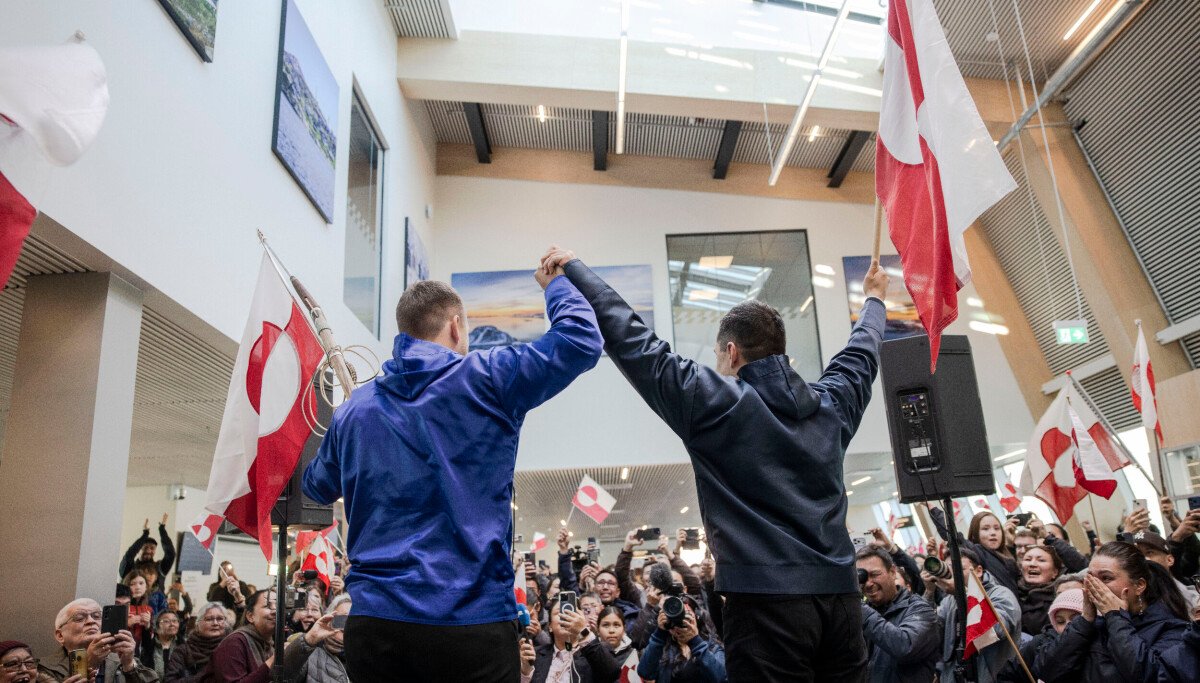
The broad coalition has turned into a narrow coalition.
In March, Siumut left the collaboration, and most recently Atassut has chosen to leave the coalition with Demokraatit and Inuit Ataqatigiit. The four-party coalition that was formed in 2025 has thus been reduced to two parties.
The broad coalition has turned into a narrow coalition.
In March, Siumut left the collaboration, and most recently Atassut has chosen to leave the coalition with Demokraatit and Inuit Ataqatigiit. The four-party coalition that was formed in 2025 has thus been reduced to two parties.
It is worth remembering why the broad coalition was formed in 2025. Back then, the first lines of the coalition agreement read:
We stand together for our country. It is more important than ever that we stand together for our community and cultural distinctiveness.
The American threats brought the parties together on a common cause, and Greenland needed a clear political voice from the outside.
However, now that the agreement with the USA has been concluded, the international crisis has receded somewhat into the background. Instead, it is the domestic challenges that dominate the debate, and here the political differences show themselves more clearly.
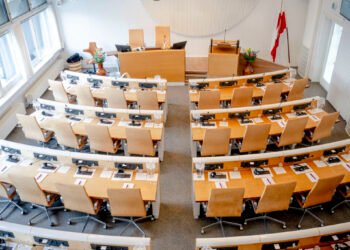
Naalakkersuisut still has a majority in Inatsisartut with 18 out of 31 mandates. In addition, independent Kim Kielsen continues to support the coalition. The coming time will show whether IA and Demokraatit can continue to stick together and maintain focus on creating the best for the Greenlandic population.
A narrower coalition is not necessarily a disadvantage. It may even be easier for the parties to reach an agreement.
Atassut’s breakup is hardly just about the KNQK case. For a long time, Atassat has had difficulty in achieving political influence in cooperation with the larger parties.
For Naalakkersuisut’s chairman, Jens-Frederik Nielsen, it is therefore also about getting cooperation with the opposition off to a good start. In this connection, it is positive that the Finance Act has been concluded between the four parties Demokraatit, Inuit Ataqatigiit, Atassut and Siumut. This means that all parties except Naleraq support next year’s budget.
The fact that the political differences have become clearer again is not in itself a problem. On the contrary, it is healthy for democracy that the parties highlight their disagreements and fight for different solutions.
But the population needs more than political markings. It needs results. And that requires that the parties can cooperate and reach an agreement.