
Amid escalating global uncertainty, Caribbean policymakers are being urged to act decisively and in unison.
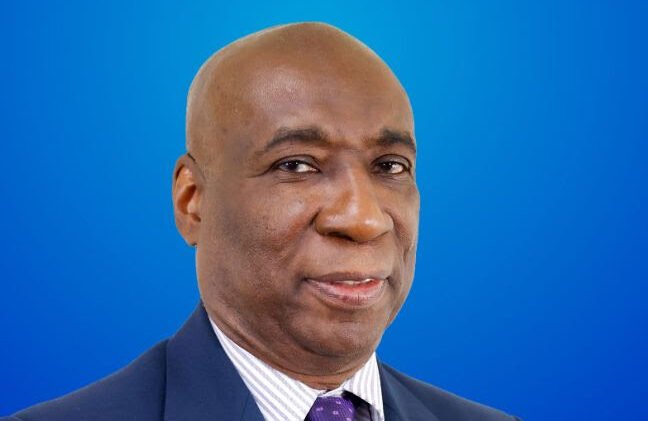
Speaking during a virtual forum on April 10, Dr. Wendell Samuel, Assistant Secretary-General (Ag.) of CARICOM, emphasized the importance of forward-looking strategies and collective action in addressing emerging challenges tied to international conflict.
“This moment calls for strategic thinking and regional solidarity. The decisions we take now will determine not only how CARICOM navigates this crisis, but how prepared we are for future global disruptions. Resilience, cooperation, and shared responsibility must guide our response.”
A CARICOM release shared that the online discussion, organized by the Food and Agriculture Organization of the United Nations, explored how the ongoing conflict in the Middle East is affecting countries across Latin America and the Caribbean. Particular attention was given to vulnerabilities in food security, agricultural systems, and broader economic stability.
Dr. Samuel, who leads the Economic Integration, Innovation and Development Directorate at the CARICOM Secretariat, disclosed that a preliminary response framework has already been crafted.
According to CARICOM, this draft matrix is intended to help the region manage the expected consequences of the conflict, especially those related to food systems. It is set to be reviewed by CARICOM Ministers of Agriculture, who will decide on its adoption and execution.
The proposed matrix serves as a wide-ranging policy tool. It connects external disruptions to specific policy actions, outlines the order and focus of interventions, and balances immediate stabilization efforts with longer-term structural reforms aimed at boosting resilience and lowering risk. It also encourages unified action among member states, as per the release.
In outlining key priorities, Dr. Samuel reportedly pointed to the need for stronger regional collaboration in procurement processes, transportation networks, and the management of strategic reserves.
He also highlighted the urgency of increasing investment in renewable energy and building more resilient food systems, while improving policy coordination to enable faster, collective responses to external pressures.
Strengthening institutions tasked with food security and economic monitoring was also identified as essential.
“While the Region is geographically distant from the conflict, our economies remain highly exposed to global shocks transmitted through energy markets, food systems, and international supply chains,” asserted Dr. Samuel.
The press release also stated that he further drew attention to longstanding structural weaknesses within the region, particularly its reliance on imported food, fuel, fertilizers, and shipping services.
These dependencies, he explained, make Caribbean economies especially susceptible to external geopolitical developments, which can quickly manifest as domestic economic strain.
Dr. Samuel cautioned that rising inflation, the increasing cost of food, and pressures on government finances are not theoretical concerns but pressing issues requiring immediate policy attention.
He stressed the importance of understanding the channels through which global disruptions affect the region and called for practical, coordinated responses to mitigate their impact.

![COMMENTARY: Once upon a time – Diplomacy in the image of our times [Shridath Ramphal Centre Trading Thoughts]](https://agentially.org/wp-content/uploads/2026/05/pexels-gabby-k-6289049-e1777829357976-350x250.jpg)