Investigation of 20 franchise outlets finds Staphylococcus aureus, Listeria and E. coli in several samples
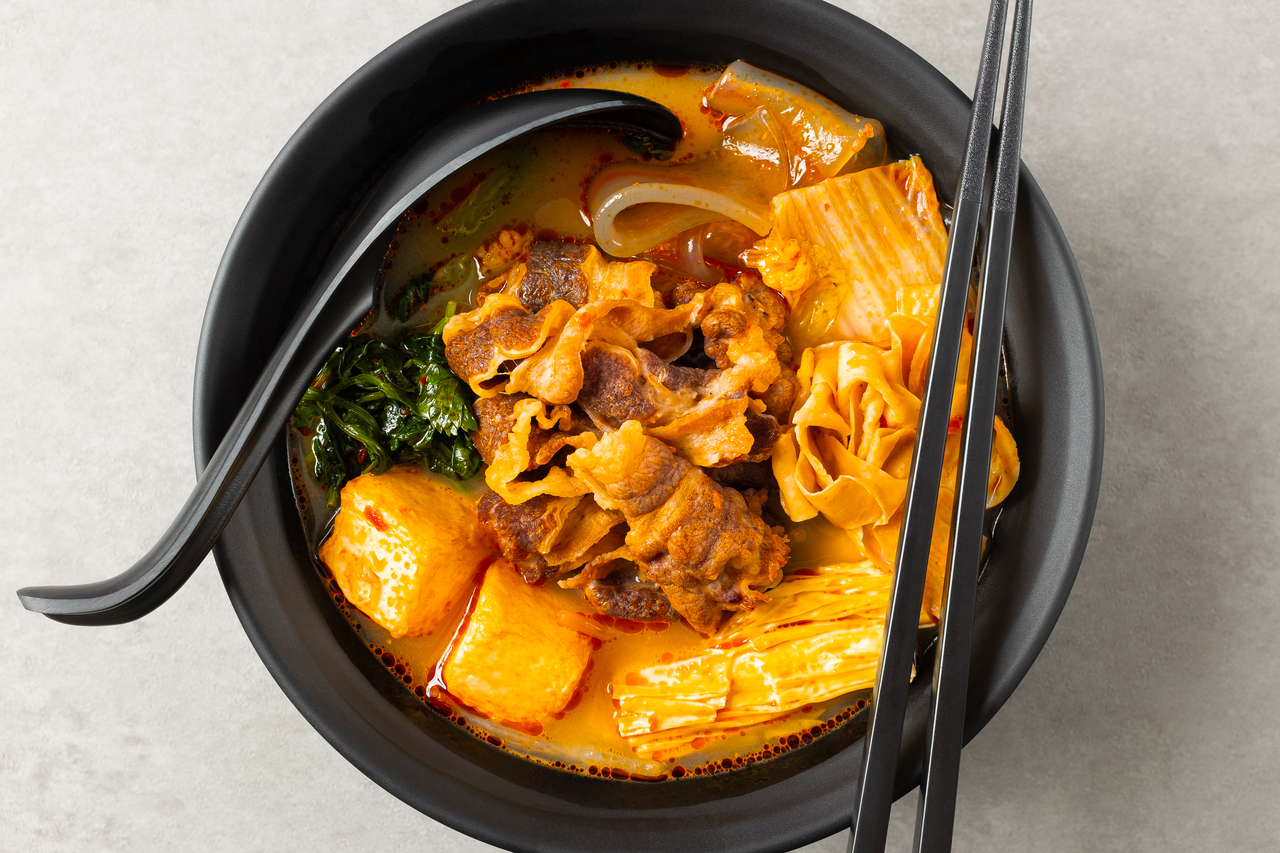
Foodborne bacteria have been detected in some malatang dishes and accompanying sauces sold at restaurants in South Korea, prompting authorities to call for stricter hygiene controls and greater consumer caution.
The Korea Consumer Agency said Monday it inspected 20 major malatang franchise outlets and found harmful bacteria in several products. The survey covered 40 items, including 20 malatang dishes and 20 peanut sauce samples.
According to the agency, one malatang dish and three peanut sauce samples tested positive for pathogens. Staphylococcus aureus was detected in a dish from the Myeong-dong flagship store of Chunri Malatang, while Listeria monocytogenes was found in the same store’s peanut sauce.
Additional peanut sauce samples from the Ajou University branch of Xiangtsu Mala and the Gajaeul branch of Sorim Mala were found to be contaminated with E. coli and L. monocytogenes.
Because malatang is typically consumed immediately after cooking and peanut sauce is often served without further heating, contamination can directly pose a health risk, the agency said.
What are the detected bacteria?
All three bacteria identified in the investigation are known to cause foodborne illness.
Staphylococcus aureus
This bacterium is commonly found on human skin and in the nose. When food is contaminated, it can produce toxins that cause rapid-onset symptoms such as nausea, vomiting, abdominal cramps and diarrhea. These toxins are heat-stable, meaning they can remain even after reheating.
Listeria monocytogenes
L. monocytogenes can survive and grow at refrigeration temperatures, making it particularly dangerous in ready-to-eat foods. Infection, known as listeriosis, can cause fever, muscle aches and gastrointestinal symptoms.
It poses serious risks to pregnant women, potentially leading to miscarriage, stillbirth or neonatal infection, as well as severe complications in older adults and those with weakened immune systems.
Escherichia coli
While many strains of E. coli are harmless, certain pathogenic types can cause severe diarrhea, abdominal pain and dehydration. In some cases, infections can lead to serious complications, particularly in young children and older adults.
The Korea Consumer Agency recommended that the businesses involved discard any remaining stock and strengthen sanitation practices.
It also urged relevant authorities to step up inspections. The operators concerned said they had already disposed of contaminated products and taken measures to improve hygiene at their facilities.
Consumers are advised to check for damaged or compromised packaging and ensure that delivered or takeout food is kept at a safe temperature. Washing hands with soap for at least 30 seconds before eating and consuming food are also recommended.
Leftovers should be refrigerated or frozen immediately and not left at room temperature for more than two hours. When reheating, food should be heated thoroughly to its core.
Individuals experiencing symptoms such as abdominal pain, vomiting or diarrhea after eating are advised to seek medical attention.
Suspected cases can be reported to the 1372 Consumer Counseling Center or through the government’s online reporting platform.
jychoi@heraldcorp.com