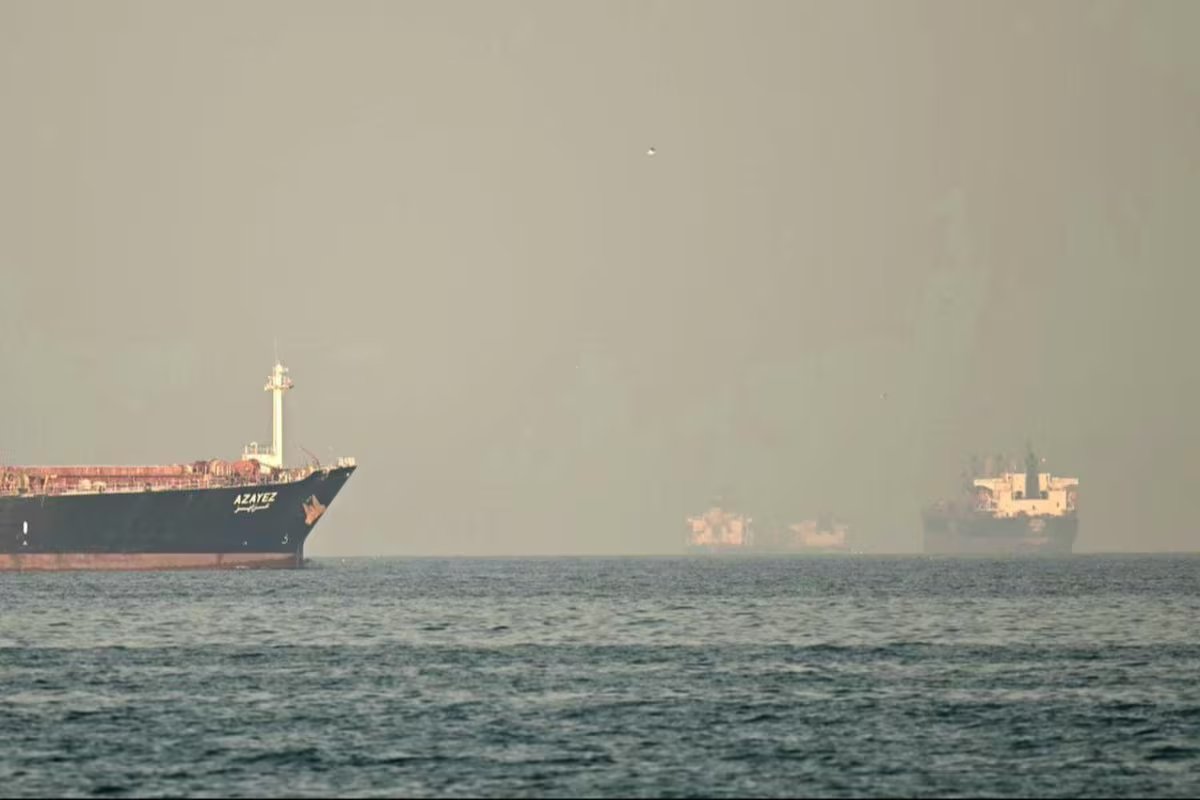
The strategic Strait of Hormuz continues in a “restricted operating environment” and its transit regime is “uncertain” after the failure of talks between the United States and Iran in Islamabad to end the war that began at the end of February, the MarineTraffic portal reported this Monday.
According to the maritime monitoring platform, over the weekend the number of ships that crossed the strait increased to 14 per day, although it recalled that “traffic remains well below the pre-conflict average, which was around 100 daily transits,” something that means it is still “far from significant normalization.”
In his analysis, he noted that the failure of the talks in Islamabad has derailed the framework of the two-week ceasefire, still in force, after Washington announced “plans to intercept ships paying Iranian transit tolls,” even though it allows passage between non-Iranian ports.

“This leaves the market facing a more restrictive and legally uncertain transit regime, rather than a reopening,” MarineTraffic said.
Likewise, he indicated that the composition of the traffic suggests “continued selectivity rather than a generalized recovery”, since the majority of the journeys made this weekend through Hormuz were from east to west of the strait.
In addition, they involved “vessels outside the sanctioned and clandestine fleets”, something that means that “a limited number” of operators are willing to transit under the strict control conditions and security risks, although the platform did not register new attacks against vessels during the weekend.

In this sense, he pointed out that the main question now is how the United States control measures will be applied at sea and whether the movements that are now allowed will continue to be viable, while he predicted that shipowners and insurers will continue to be cautious given the improbability of a normalization of traffic.
Iran and the United States held direct talks in Pakistan on Saturday, in negotiations led by the Speaker of the Iranian Parliament, Mohamad Baqer Qalibaf, and the US Vice President, JD Vance.
After 21 hours of negotiations, Vance stated in a media appearance that he had not seen a “firm commitment” from Iran to not have a nuclear weapon in the long term and left Islamabad.
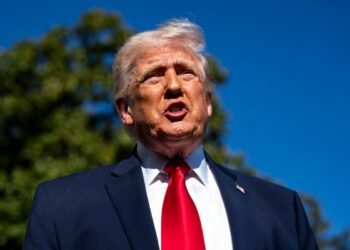
Following this, US President Donald Trump announced yesterday that his country will block the Strait of Hormuz, a measure that will come into effect this Monday at 2:00 p.m. GMT.
Iran has kept this strategic route closed, through which a fifth of the world’s oil passes, in retaliation for the US and Israeli offensive that began on February 28 against the Islamic Republic.