CEO signals openness to setting up Korean entity as partnerships expand
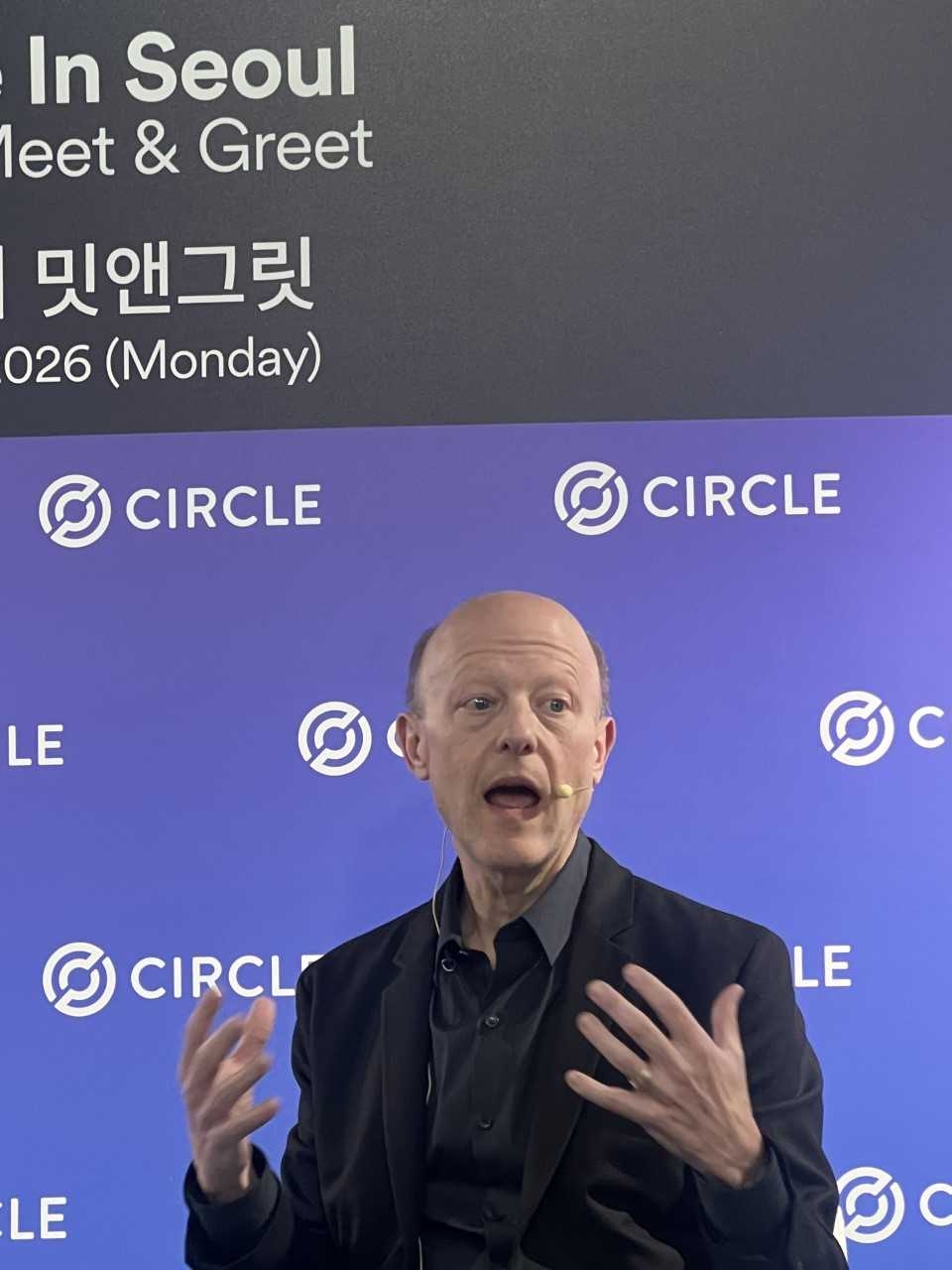
Co-founder and CEO of Circle Jeremy Allaire visited South Korea, which is one of the world’s biggest markets for crypto trading, to woo partners and users ahead of the official launch of its newest settlement technology, Arc.
“We’re also expanding in other areas that could be powerful for the Korean financial ecosystem, such as Arc, which we are launching commercially this year,” said Allaire during a press briefing Monday.
Arc is a financial settlement rail based on blockchain technology. Circle believes it can move stablecoins across the internet instantly, securely and more predictably.
“(Arc) is very attractive for the Web3 ecosystem here and … for building stablecoin foreign exchange protocols,” said Allaire, stressing that the pilot KRW1 stablecoin is already running on Arc, which Circle officially introduced in late 2025.
Noting the company’s vulnerability to macroeconomic issues, Allaire also emphasized Circle’s evolution beyond a money issuer.
“We have been building a wide range of other product platforms and services. We are monetizing them. As of the end of 2024, we had businesses that generated almost no revenue. This year, we expect them to grow to $150 million-$170 million. We are rapidly creating new revenue streams,” said the co-founder.
Founded in 2013, Circle has evolved from a Bitcoin payment processor into the world’s second-largest issuer of US-pegged stablecoins with US coin, known as USDC. Recently, Circle has been repositioning itself as a financial infrastructure technology provider.
In Allaire’s view, Korea is a viable partner and customer for this evolving role.
“Korea already is one of the leading markets in the world in digital assets. The number of adults engaged in the digital asset ecosystem is significant … and there are leading tech companies here betting on blockchain technology,” he said, explaining the purpose of his visit.
The CEO added that if the timing and environment were right, he saw no issue with establishing a legal entity in Korea.
But Allaire drew the line at Korean currency-denominated stablecoins. “Circle won’t be issuing a Korean won-backed stablecoin,” he said. This makes sense, industry watchers noted, as unlike regions like Europe, Korea is unlikely to allow a single nonbanking entity to issue stablecoins.
However, Allaire echoed Korean policymakers in calling for Korean won-pegged stablecoins, saying that as on-chain currency becomes a superior form of money, the Korean government will need stablecoins to keep the won competitive.
Allaire emphasized a strong commitment to work with the Korean government, once again highlighting Circle’s approach of closely cooperating with law enforcement.
Due to such compliance policies, Circle was unable to take actions such as freezing wallets during market misconduct, the CEO said. The company is now discussing safe harbors that would allow it to act when certain conditions are met.
During his latest visit to Korea, Allaire met with and signed partnerships with leading local players, including Upbit and Bithumb. He also held discussions with KB, Shinhan and Hana banks, along with financial regulators.
“There’s a lot of interest in how stablecoins can be used to support cross-border and international payments,” said Allaire. “These are areas we are working on with banks and asset managers around the world, including in Korea.”
jkim@heraldcorp.com