The fragile cessation of hostilities between USA and Iran faces its most critical moment after a escalation of violence in Lebanonwhere Israeli bombings have left more than 300 dead in just two days.
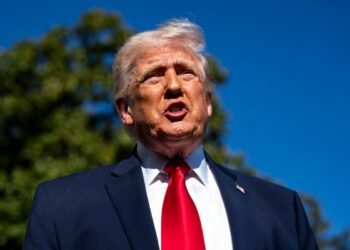
The conflict now revolves around that country, initially included in the pause in confrontations mediated by Pakistan. However, both donald trump as Benjamin Netanyahu have argued that Lebanon is not part of that agreementwhich has intensified tensions.
In response, the militia Hezbollah reactivated its offensives with the launch of dozens of projectiles towards the north of Israelwhile Tehran reconsiders its strategic posture in the region.
Dialogue conditioned by attacks
The Iranian president Masud Pezeshkian warned that any approach with Washington will be meaningless if bombing continues in Lebanese territorydescribing the offensive as a evident breach of the commitments reached.
In parallel, Iran has partially limited traffic through the Strait of Hormuza key point for global energy trade, increasing pressure on international markets.
Furthermore, the Iranian Deputy Foreign Minister, Saeed Khatibzadehrevealed that his country was close to responding militarilybut was persuaded by Pakistan to avoid further escalation.
Historic negotiations under international pressure
In the midst of this scenario, Netanyahu surprised by announcing direct talks with Lebanonan unprecedented measure given the absence of diplomatic relations between both countries since 1948.
According to reports, The meeting will take place in Washington next weekwith the participation of senior representatives of both governments and under US supervision, which demonstrates the central role of the US in the process.
However, the dialogue occurs while the confrontations continue, which raises doubts about its real viability.
Military escalation and humanitarian crisis
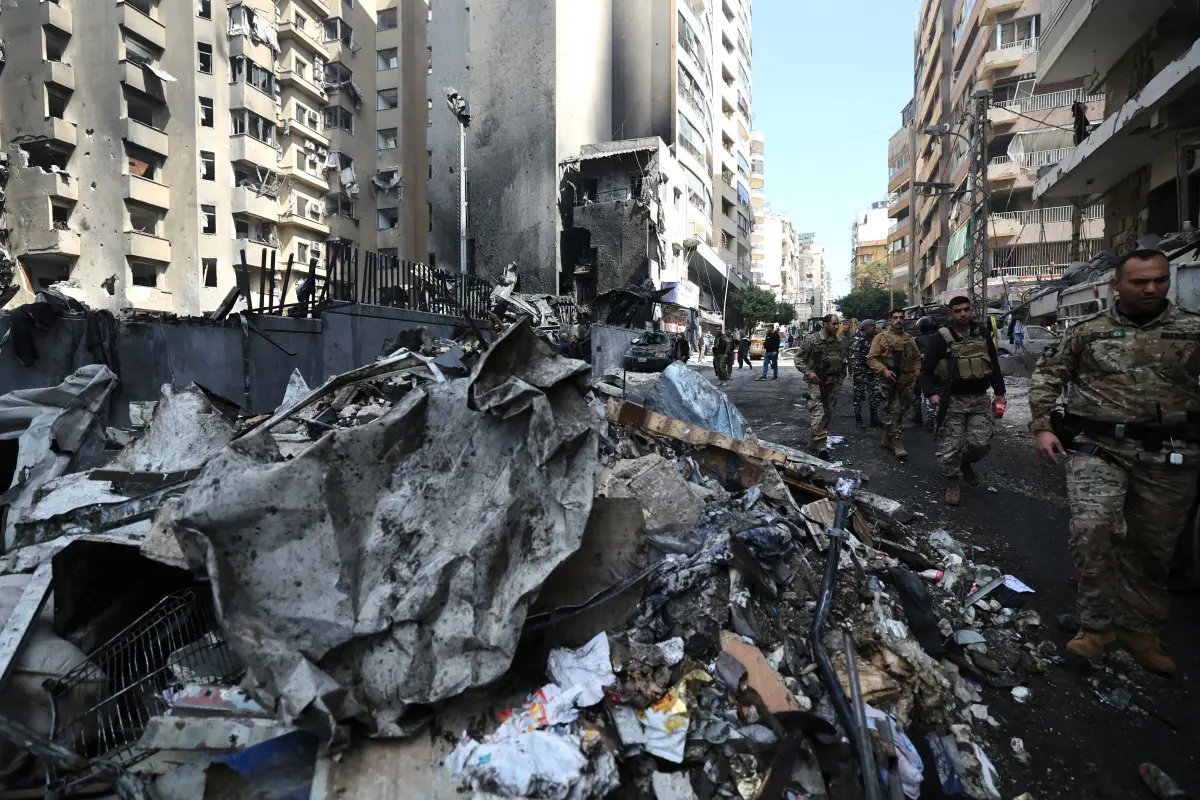
The Israeli army intensified its operations in key areas such as Dahiyain Beirutordering mass evacuations and carrying out large-scale attacks.
Among the objectives achieved are Ali Yusef Harshia figure close to the leadership of Hezbollahreflecting a strategy aimed at weakening the group’s structure.
Meanwhile, Israeli leaders have reiterated that the offensives will continue “with force,” even in parallel with the negotiations.
Global concern and energy risk
The crisis has set off international alarms. More than 60 countries at the UN have expressed their concern about the situation in Lebanonwhile the European Union has warned that military actions are putting regional stability at risk.
He Strait of Hormuzby where nearly a fifth of the world’s oil transitsis once again a critical point. Iran It has conditioned its total opening on the cessation of attacks, limiting the passage of boats for the moment.
The uncertainty has also impacted air travel, with recommendations to avoid the airspace of Middle East during the truce period.
A balance on the brink of collapse
A few days after the start of talks between Washington and Tehran in Islamabadthe scenario is highly volatile. The truce, conceived as an opportunity to de-escalate the conflict, is now facing a active war dynamic that threatens to completely unravel it.
The decisions made in the coming days will be decisive in avoiding a regional expansion of the conflict with global consequences.