
In this space two weeks ago I expressed my hope that Keiko Fujimori, Rafael López Aliaga and Alfonso López Chau, who were then leading the polls, would use the second round of debates to clarify their proposals on economic matters and commented on how disastrous Roberto Sánchez’s plans would be for the country.
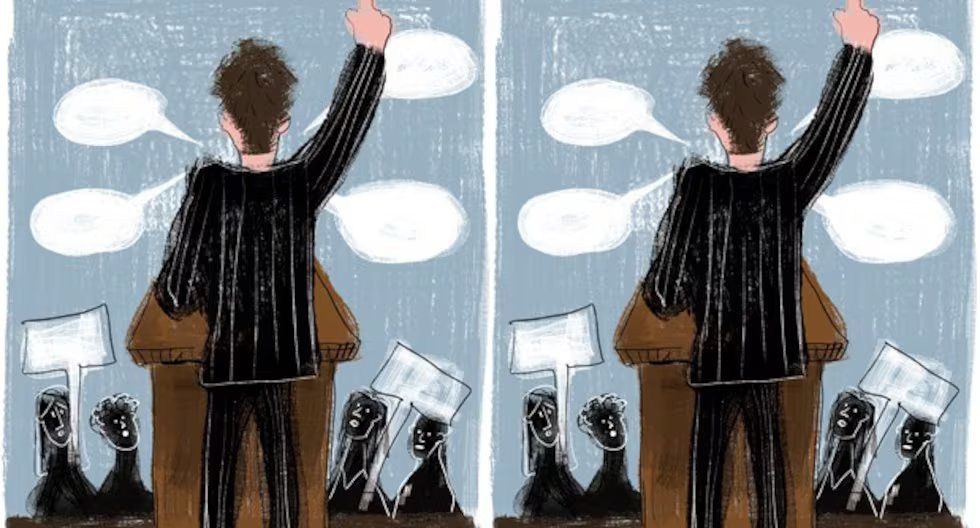
That dream did not come true, as the candidates dedicated themselves to defending themselves and attacking their opponents, although López Aliaga did find time to promise that his government would support the informal miners and Keiko Fujimori endured blows and remembered the achievements of her father’s government. López Chau highlighted his plans for agriculture and Roberto Sánchez insisted on his criticism of the economic model.
Nothing that was not planned. What is surprising is the rest of the names that completed, after the debates and until the Datum survey last Sunday, the list of candidates who have more than 4% of the electoral preferences: Carlos Álvarez, Jorge Nieto, Ricardo Belmont and Marisol Pérez Tello.
The latter is a group that, after reviewing the government plans, I believe is divided into two categories: those who have taken the time to identify the country’s main economic problems and propose solutions and the Obras party, of Ricardo Belmont.
The simple and accessible language of the former mayor of Lima during the debate is consistent with the basic level of his government plan. With only 27 pages, the Obras party proposes as the only strategy against labor informality to demand that State contractors guarantee the formality of their workers and proposes a simplification of procedures for municipalities.
Perhaps because of the candidate’s resume, a large part of his approaches are at the municipal level and, even, two of his 10 fundamental objectives – called “master beams” – are to promote values and culture in the media. Be careful, the tenth is: “review and renegotiate contracts on natural resources protecting the interests of the country”, something that brings him quite close to Sánchez.
Carlos Álvarez, Jorge Nieto and Marisol Pérez Tello made an effort to mention some of their economic proposals during the debate and their plans have common axes such as modifying tax regimes to increase formality, measures to increase the productivity of micro and small businesses and encourage private investment, although Álvarez, more given to spectacle, is adding populist proposals such as the end of the ATU or the death penalty, which seem to contradict his government plan.