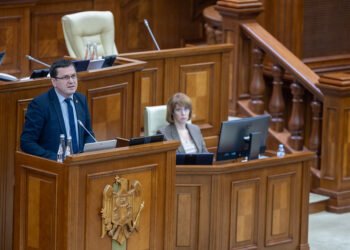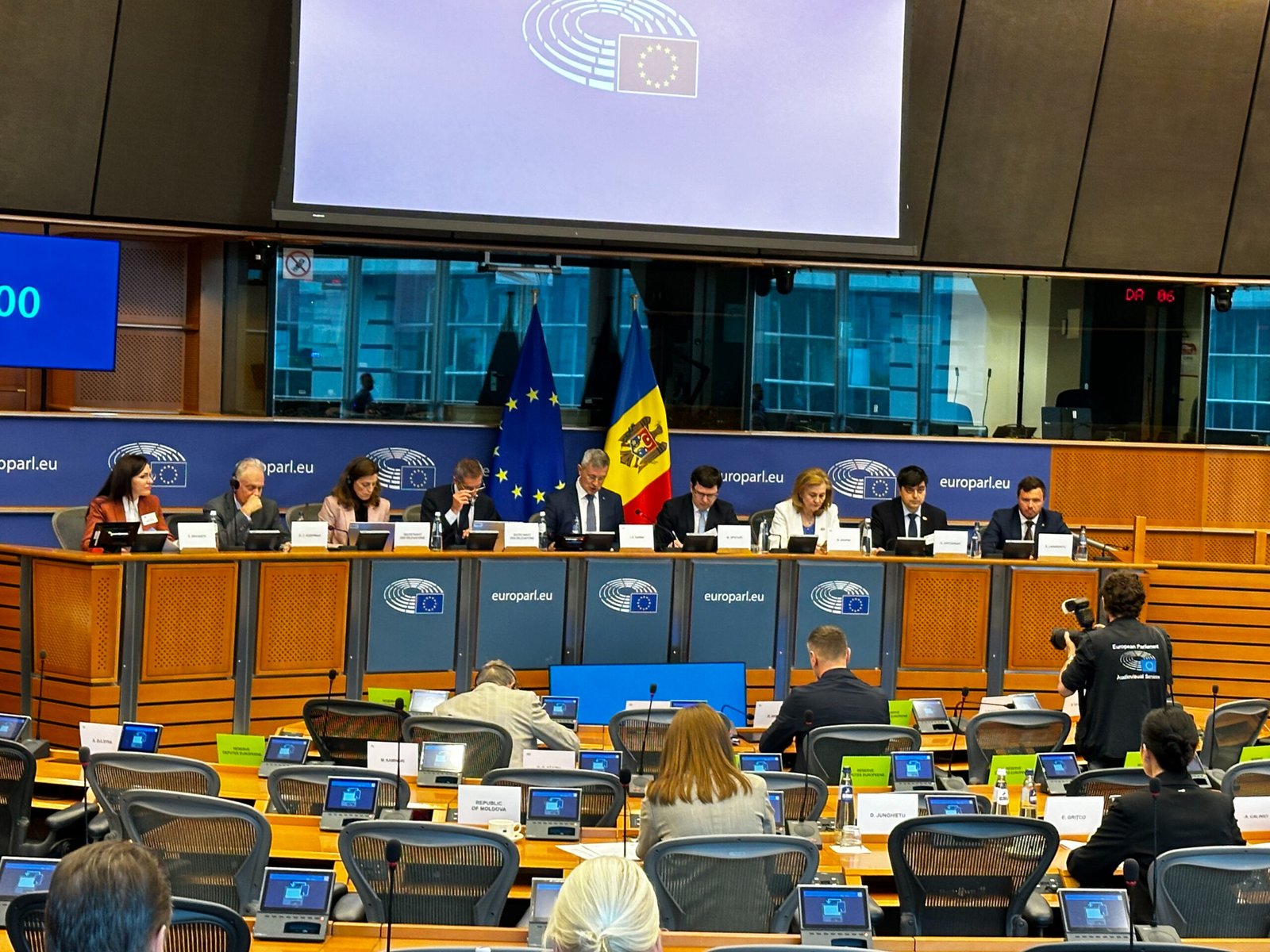
Discrimination in employment and access to services still persists in Moldova: people are not hired due to prejudices about their HIV status, apartment owners do not want to rent them to “non-Moldavians”, and local authorities turn off street lighting for political reasons. This is stated in the 2025 report of the Equality Council, which was presented on May 6 at the parliamentary commission on human rights and interethnic relations. We talk about the main conclusions of human rights activists.
Discrimination at work
In 2025, the world of work remained the main area in which the Prevention of Discrimination and Equality Council recorded cases of discrimination. During the year, the Council made 40 decisions on such cases. Experience shows that exclusion or unequal treatment most often occurs during recruitment, promotion or when trying to maintain a job.
According to statistics, the main reason for discrimination at work remains sex or gender – this category accounted for 45% of proven violations. The second most common factor is the age of employees (1% of all cases). The report also includes complaints related to health, disability, political views, HIV status, retirement, marital status, religion and place of residence.
As an example, the authors of the report cite a case where candidates for the position of administrator of a municipal enterprise were given a strict condition: they had to be residents of this locality. As the Council for Equality emphasized, the requirement to have a local residence permit for at least 10 years is not a professional criterion and does not in any way arise from the specifics of the work itself.
Another significant example is a case involving discrimination based on perceived HIV status. The woman who applied for the position of cashier at the store successfully completed the probationary period, had relevant experience, and even provided a medical certificate with a negative result for HIV. However, the employer still refused to employ her, accusing the candidate of allegedly hiding her status.
Having considered this complaint, the Council came to a clear conclusion: the decision to refuse was dictated solely by prejudice and stigmatization, and not by a real assessment of the woman’s professional skills based on the results of the internship.
We do not rent apartments to “non-Moldavians”
The second most frequent violation was the area of access to goods and services. In 2025, the Equality Council officially confirmed 15 situations where citizens were unreasonably limited in their right to benefit from benefits open to the general public. Such cases make up 20% of all decisions made.
The most common reason for discrimination was disability—33% of all proven violations in this area. Ethnic origin and language of communication became the reason for infringement of rights to an equal extent – in 17% of cases.
For example, in one situation, a person tried to rent an apartment through an agency, but the realtor refused. The reason was the specific requirement of the homeowner. He categorically did not want to rent out housing to people who were not Moldovans and did not speak Romanian.
Having considered this complaint, the Council decided that a real estate agency has no right to hide behind the personal preferences of the landlord by denying clients access to a public service. The department emphasized that the owner’s right to dispose of his property is not absolute – as soon as housing appears on the open market, the rental process must strictly comply with the principles of equality. As a result, the denial of service was officially recognized as a fact of direct discrimination based on nationality and language.
In another case, residents of three villages that make up the city of Cimislia complained that street lighting was turned off. According to villagers, the pitch darkness on the streets began to threaten their safety, especially at night when people returned from work. At the same time, in other areas of Cimislia, lights continued to work as usual. Local residents accused the mayor’s office of lack of transparency and linked this move by the authorities with their nationality and political views.
Checking the version of political motivation, the Council raised the protocols of the second round of the presidential elections in all eleven polling stations of Cimislia and its suburbs. An indicative detail emerged: the candidate supported by the city mayor lost exclusively in those polling stations that were located in villages left without electricity.
Based on these facts, the Council concluded that local authorities subjected residents to unreasonable and unequal treatment. The mayor’s actions have hit local communities, which are largely made up of ethnic minorities. The agency officially recognized this incident as a fact of direct discrimination in the provision of public services on the basis of ethnic origin and political beliefs.
The authorities only partially implement the decisions of the Council
In 2024, the Council proposed 21 amendments to existing laws and regulations. Most initiatives concerned labor relations and access to public services. Of all the proposed amendments, five were successfully implemented, another five were challenged, and two of them were eventually annulled by the court. At the same time, the Council analyzed new bills and made 123 recommendations for their improvement, of which almost half the authorities took into account.
The decisions of the Equality Council, it should be noted, are binding.
As for 2025, the Council has formulated 18 new proposals to change existing regulations. The main focus has shifted to the area of access to goods and services, as well as to issues of education and the protection of human dignity. In addition, the Council’s experts significantly increased the volume of work with current bills, preparing 132 recommendations over the year for their improvement from the point of view of compliance with the principles of non-discrimination.
The report of the Equality Council must be heard and approved by Parliament.
Subscribe to our Telegram channel @newsmakerlive. Everything that is important to know right now about Moldova and the region quickly appears there.
Want to support what we do?
You can contribute to quality journalism by supporting us one-time through the E-commerce system from maib bank or by taking out a monthly subscription to Patreon! This way you will become part of changing Moldova for the better. Thanks to your support, we will be able to implement even more new and important projects and remain independent. No matter how you support us, you will receive a small gift. Follow the link to become our partner. It’s not difficult and even pleasant.