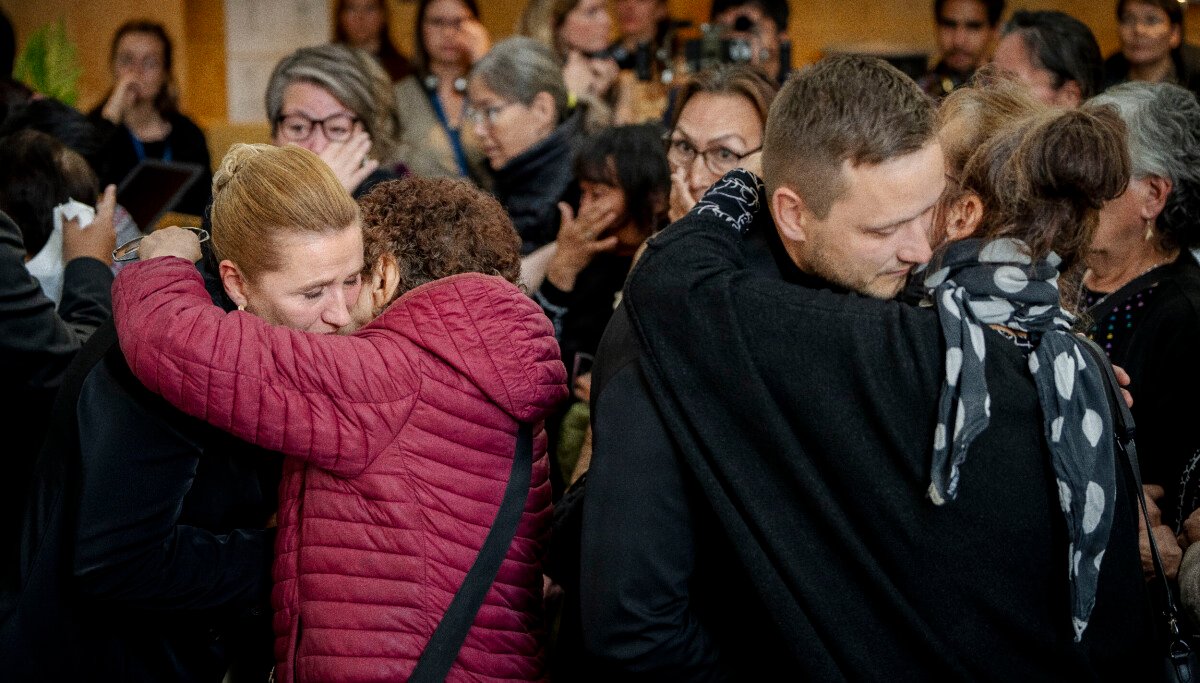
The compensation scheme for women who received involuntary contraception before 1992 should be late in consultation among civil society organizations in Greenland, criticizes the Council for Human Rights.
In December included the Danish government and a broad majority in the Folketing a political agreement that will ensure individual compensation for the Greenlandic women who are covered by the spiral case.
The compensation scheme has since been subject to consultation. But not among civil society organizations in Greenland.
This is what the Council for Human Rights (IPPS) writes in a press release, where they direct harsh criticism at the Danish Ministry of the Interior and Health.
The omission of civil society organizations in Greenland leads IPPS to call the consultation process in violation of binding rules in international law that protect both the right to participation and the right to non-discrimination:
– The women involved in this case are exclusively Inuit. And approximately 70-75 percent of all Inuit in the Kingdom of Denmark live in Greenland. At the same time, when we see from the consultation list that, among others, the Danish Tattooing Association, the Danish Transplantation Association and Danish tobacco manufacturers have been invited to comment on the bill, we wonder what reasons the Danish Ministry of the Interior and Health had for not sending the bill for consultation to the civil society organizations in Greenland.
– Regardless of the reason for the omission, it is a mistake that must not happen again, says chairman of IPPS, Tukumminngiaq Olsen Lyberth.
Points of concern in the bill
The bill must secure compensation through the reconciliation fund for the potentially 4,500 women who, from 1960 until 199, received contraception without their knowledge or consent. It provides the opportunity to pay out DKK 300,000 to each of the affected women, which is on a par with the compensation that Naalakkersuisut has set aside for women who, against their will, received contraception after 1992 during Home Rule and Self-Government.
But there are also problems with the bill itself, writes IPPS. After the expiry of the consultation period, they have been sent a proposal for an order on the entry into force of the Compensation Act for Greenland.
In a 12-page consultation response to the proposal, IPPS expresses its concern over a number of key human rights problems.
Among other things, the bill sets an application deadline, which means that applications for compensation can be submitted until 1 June 2028.
International human rights law makes it clear that limitation periods do not apply to gross violations of international human rights law and national limitation periods must not be unreasonably restrictive, writes the Council for Human Rights.
In addition, doctors today still detect contraception in women who had no idea they were being put on it. According to the IPPS, the application deadline should therefore be removed completely, as it unjustifiably limits these women’s right to receive compensation.
The entire period was Danish responsibility
Furthermore, the IPPS believes that the compensation scheme should apply to all women who have had involuntary contraception, regardless of when, since human rights are the responsibility of the Danish state, regardless of the fact that Greenland took over the health sector in 1992.
Sermitsiaq has contacted the Ministry of the Interior and Health for a comment on the criticism from IPPS, to which they reply:
“Since the government has resigned and the ministry has transitioned to functioning as a business ministry, press inquiries are generally not answered. The Ministry of the Interior and Health therefore cannot currently comment on legislative proposals that were sent for consultation before the election.”