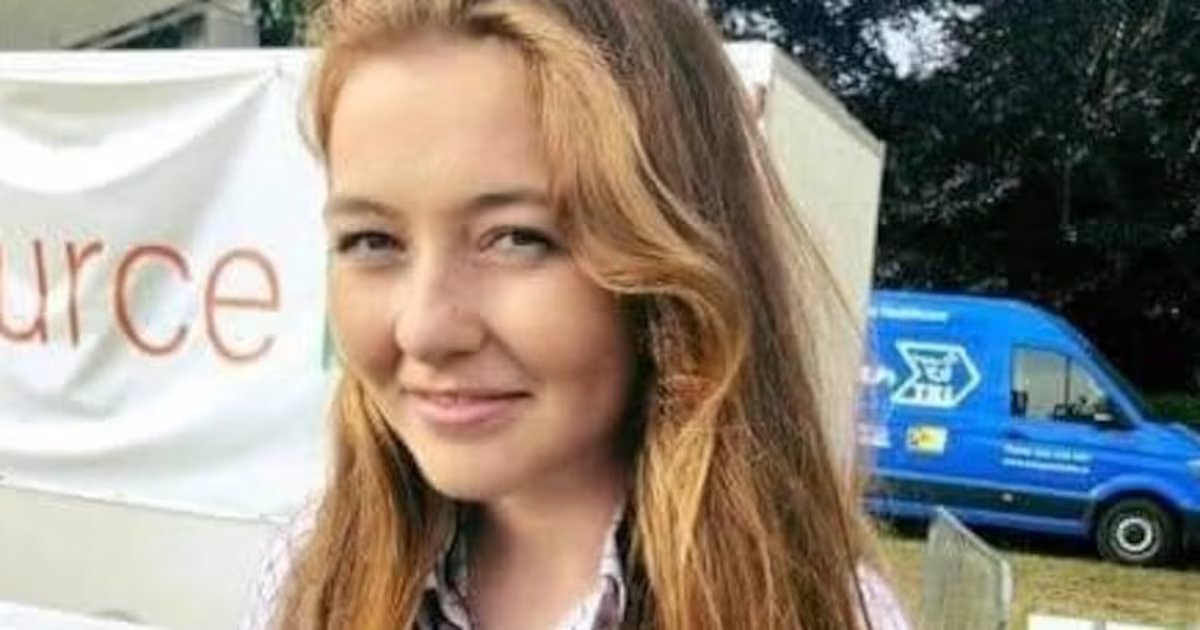
A smart, bubbly young woman with a great work ethic and a bright future ahead of her, showjumper Katie Simpson was groomed by horse trainer Jonathan Creswell from the age of 10.
Her murder has exposed systemic failures in policing and safeguarding practice in Northern Ireland, according to a damning independent report.
“She was let down at every step,” it found.
Sexual abuse and rape were used as a tactic by Creswell to target young women such as Simpson. A “charming facade” was used to hide his abusive behaviour; he exploited his status as a trainer and jockey.
Initial police failings
The report found that failure to preserve the crime scene and accepting Creswell’s account of an “attempted suicide” by Simpson were among the litany of police failings at the outset of the investigation.
Lack of experience among police was also identified; two probationary constables, one of whom was only six days out of training, were among those sent to Simpson’s home on August 3rd, 2020.
Police body-worn footage shows a “very quick walk-through”.
Forensic opportunities in relation to Simpson’s car – the black Peugeot 307 used by Creswell to remove her from her home – were missed.
Underwear worn by Simpson was “clearly bloodstained” but was also missed by police.
Bruising on her arms and legs was reported by doctors, but an explanation from Cresswell about her falling off a horse the previous day was accepted.
Communication between medical staff and the hospital was “extremely poor”.
Cresswell’s history of domestic abuse was missed because Police Service of Northern Ireland (PSNI) officers “failed to check the system properly”. Only his driving offences were found.
Key witness statements and failure to secure crucial digital communications – such as text messages and phone records – that might have revealed patterns of abuse, were also missed.
“Vital information” provided by members of the public and a hospital nurse in the early stages of the investigation was “not acted upon”.
Poor communication between police and Simpson’s family – most notably her parents – was also found.
Instead, police only consulted Creswell and Christina Simpson (Katie’s sister, with whom he was in a relationship) at the hospital. This enabled Creswell to “take control of the situation” and establish his suicide narrative.
Institutional misogyny within PSNI
“Institutional misogyny” within the PSNI led to “clear warning signs” being missed, the report found.
Language used by PSNI officers during interviews with the NI Police Ombudsman, in which they referred to Creswell as a “bad boy” or “philanderer” instead of a violent abuser, is cited as examples of misogyny.
Creswell had six serious assault convictions, which included a six-month jail sentence in 2010 for assaulting his ex-partner, Olympic showjumper Abi Lyle.
Not one PSNI officer “thought seriously about abuse/control” at the outset of the investigation into Simpson’s death, the report found.
Safeguarding failings in NI equestrian sector
Safeguarding failures within the equestrian sector in Northern Ireland were exposed by Simpson’s death.
Many of the facilities where Creswell worked as a jockey/trainer were entirely unregulated.
Equestrian sports are overwhelmingly populated by young girls.
When he came out of prison in 2010, Creswell was able “to pick up where he left off, continuing to work with children and others without challenge”.
The absence of oversight that allowed him to exploit the equestrian community as his “hunting ground” must be tackled, according to the report.
More of Creswell’s victims have come forward – including children
Since Simpson’s death, 37 other victims have come forward to disclose abuse by Creswell.
Some involve allegations of sexual and physical abuse.
The youngest case relates to a nine-year-old girl.
Of the 37 reports, 31 relate to females and six to males.
Many of the victims were just starting off in the equestrian world.
Two other “potential offenders” in the North’s equestrian sector have also been identified by police over the course of the review.
Creswell was a “serial abuser”, according to the report.
Failings by other NI agencies
Safeguarding referrals in the health and social care sector were also examined in the report, to determine whether there were opportunities to identify the abuse before the young showjumper’s death.
In September 2015, when she was 16, Simpson travelled alone to Scotland to work at a training yard without her parents’ knowledge.
During one journey, she was found as a stowaway on the ferry and was returned home to her parents’ house in Co Armagh.
No child protection referral was made to social services in the Belfast or Armagh areas over this incident to identify whether she was being coerced or escaping harm.
Simpson’s repeated attendance at A&E departments – she had 16 hospital visits between 2003 and 2020 – was examined during the review.
Head trauma, facial lacerations and soft tissue damage were among her injuries.
Horse-related accidents were repeatedly cited by Simpson as the cause of her injury.
The fact her injury pattern was never identified and no safeguarding referral was made is “a red flag” that highlights the urgent need for change, according to the review.