Havana/March once again demonstrated that in Cuba rumors are not simple gossip but a way of surviving informationally in a country where official silence occupies too much space. Given the lack of data, institutional opacity and the habit of announcing everything after it has already happened, people fill in the gaps with conjectures. The balls They circulate by word of mouth, they jump from a WhatsApp chat to a Telegram group and become the soundtrack of everyday life. This month, between blackouts, queues and geopolitical shocks, the rumor mill reached an intensity rarely seen before.
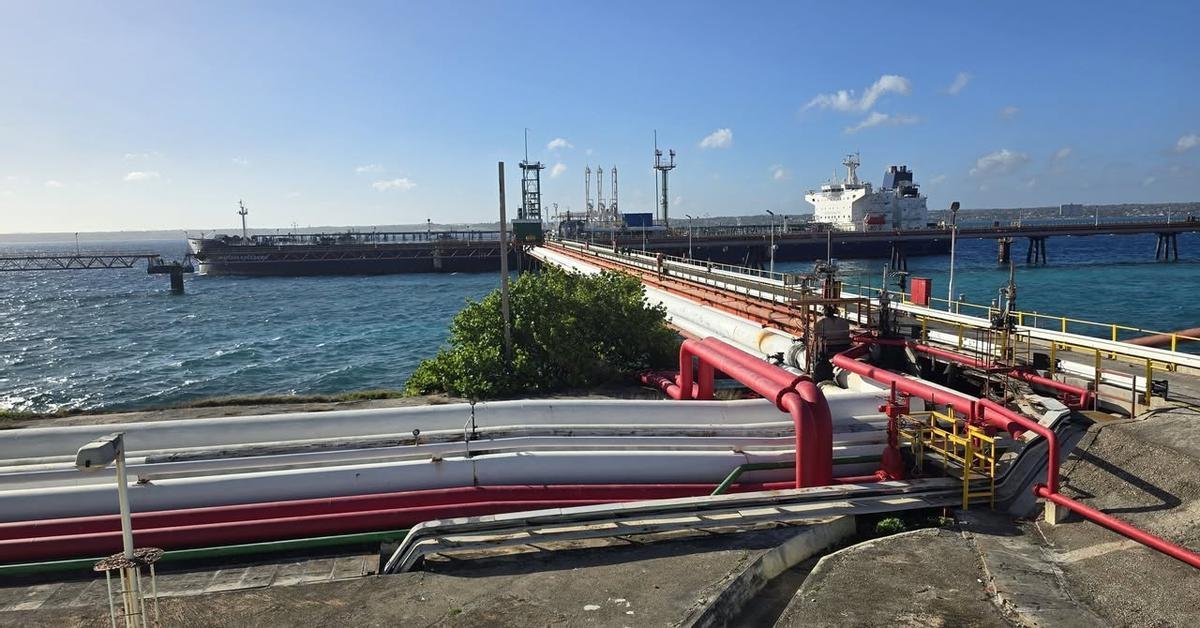
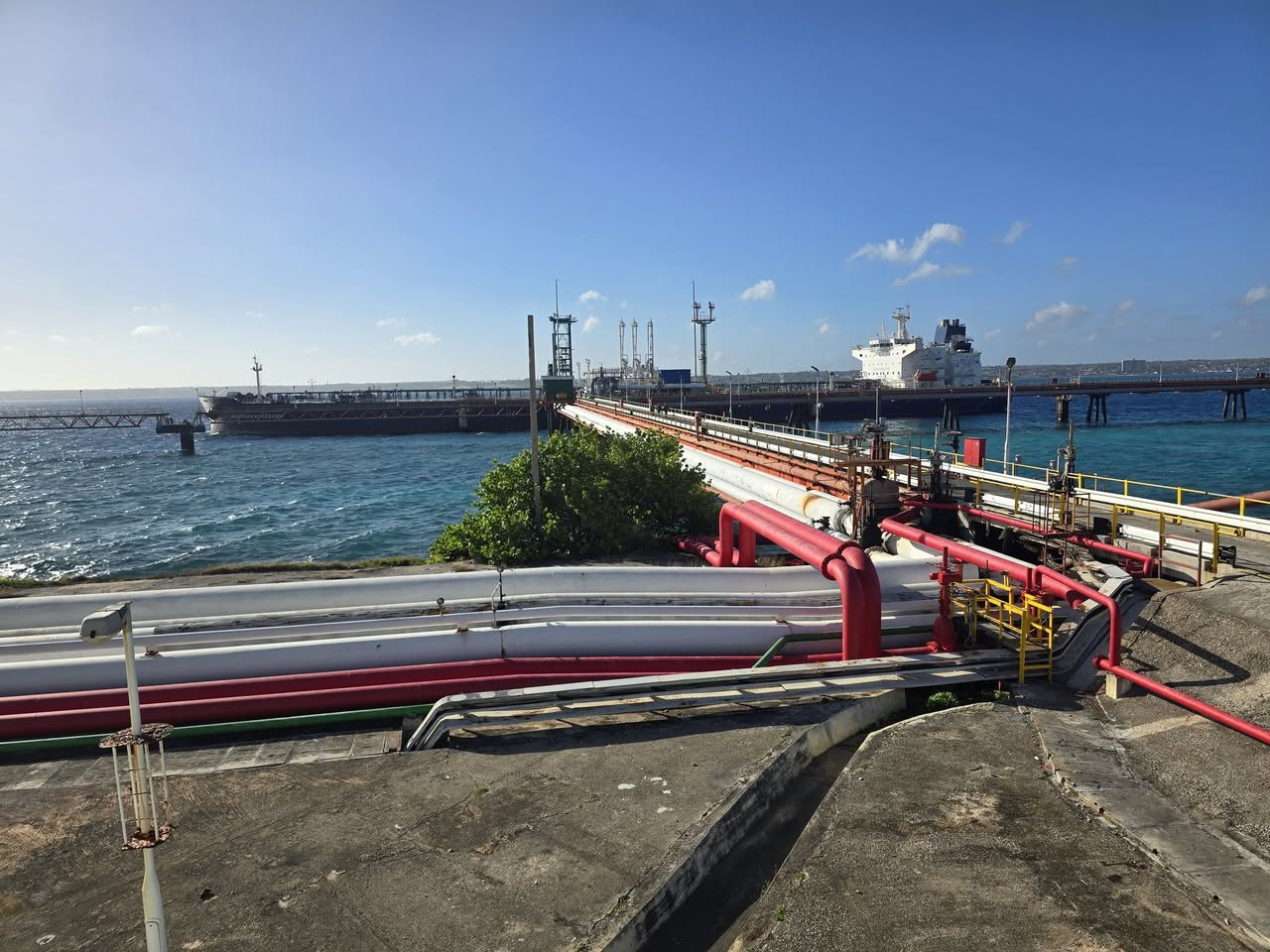
The undisputed protagonist of March was the Russian oil tanker Anatoly Kolodkin. Since it set sail from Primorsk at the beginning of this month, every mile it advanced towards the Caribbean fueled new speculation. In the Havana neighborhoods, its position was discussed as if it were a hurricane during the hurricane season. Some assured that Washington would prevent their arrival, in compliance with the executive order signed by President Donald Trump at the end of January, which penalizes countries that supply fuel to the Cuban regime with tariffs. Others, more dramatic, spoke of a possible military confrontation between the United States and Russia in waters near the Island. Finally, the tanker docked Matanzas without problem.
Others, more dramatic, spoke of a possible military confrontation between the United States and Russia in waters near the Island.
Another rumor that gained strength in March was the alleged political decline of Miguel Díaz-Canel. Since the president himself publicly confirmed the negotiations between Washington and Havana, an open secret that had already been spread by international media and the independent press, many began to see him as a leader in retreat. The question is not if it will fall, but when and how. Will you leave the country on a discreet plane? Will he be removed by the Castro clan to make way for a figure more sympathetic to Washington?
The recent statements by Sandro Castro, grandson of Fidel Castro, stating that Díaz-Canel “is not doing a good job,” were interpreted as a sign that the president has become a fuse ready to be burned. In political huddles and bread queues, his fate seems sealed long before any official announcement.
Militarization also featured prominently in the rumor mill of the month. Drivers traveling at dawn on inland roads reported convoys of trucks loaded with soldiers and equipment. In Havana, military exercises and explosions associated with defensive maneuvers aroused concern among residents. Helicopters flying over urban areas, practice firing and unusual movements in military installations reinforced the feeling that something was being prepared behind the scenes. In a country accustomed to secrets, any loud noise becomes an encrypted message.
In the midst of so much speculation, one of the balls most frustrating for Cubans was the one that assured that access to the Starlink internet system on the Island. For several days, social networks were filled with messages promising a fast and stable connection just by activating the mobile phone. The illusion did not last long. To use the service, you still need the reception kit, an expensive piece of equipment pursued by the General Customs of the Republic, in addition to paying a monthly subscription that is unaffordable for most pockets on this Island. The promise of a free internet ended up being, once again, a technological mirage.
The promise of a free internet ended up being, once again, a technological mirage
Donald Trump’s statements, in which he expressed that he hoped to soon “take” Cuba, also unleashed an avalanche of speculation. Some envisioned discreet negotiations that would lead to an orderly political transition. Others spoke of more violent scenarios, from military intervention to an internal collapse of the regime.
The social outbreak in Morón, Ciego de Ávila, was another focus of speculation. After the burning of the objects at the municipal headquarters of the Communist Party and the subsequent internet shutdown in the town, versions began to circulate about mass arrests and a strong military presence in the area. There was talk of young people being persecuted in their homes and of a fear that spread throughout the community. The lack of official information and restrictions on connectivity fueled distrust, reminding many of what happened during the protests of July 11, 2021.
Precisely, problems with the internet connection have become a permanent rumor. Every digital blackout raises suspicions of deliberate censorship. Many Cubans believe that the interruptions are not only due to technical failures or the energy crisis, but also to the intention of preventing citizens from organizing and sharing information in real time. In a country where social networks have become a public square, disconnecting the signal is equivalent to closing the street.