Washington/Berlin, May 2 (SANA) The Pentagon said it will withdraw about 5,000 U.S. troops from Germany within the next year, a move that underscores growing tensions between Washington and key NATO allies over defense commitments and foreign policy disputes.
Pentagon spokesman Sean Parnell said the drawdown, ordered by War Secretary Pete Hegseth, would reduce American forces in Germany by roughly 15 percent. He said the withdrawal is expected to be completed within six to twelve months, following a review of U.S. force posture in Europe.
“This decision follows a comprehensive review of the Department’s force posture in Europe, taking into account regional requirements and conditions on the ground,” Parnell said, according to AFP.
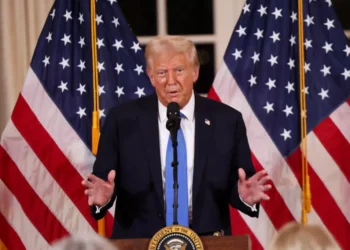
The announcement follows comments by U.S. President Donald Trump earlier this week threatening to reduce or reconsider the U.S. military presence in Germany, a NATO ally, amid disagreements with German Chancellor Friedrich Merz over U.S. policy toward the Iran conflict.
Trump has also criticized European allies for what he describes as insufficient support for U.S. military actions, including in the war against Iran, and reiterated longstanding demands that Europe take greater responsibility for its own defense.
He said this week that Washington was “reviewing the possibility of reducing” its forces in Germany and would make a decision “within a short period of time.” He has also suggested possible troop reductions in Italy and Spain, accusing both countries of failing to support recent U.S. positions.
uropean Union officials have responded by stressing that the U.S. military presence in Europe remains vital to regional security and serves Washington’s strategic interests.
In Berlin, German Defence Minister Boris Pistorius said the planned withdrawal highlights the need for European states to strengthen their own defense capabilities.
Germany is “moving in the right direction” on military preparedness, Pistorius said, pointing to efforts to expand the Bundeswehr, accelerate arms procurement, and improve defense infrastructure.
He added that a reduction in U.S. forces in Europe had long been anticipated, reflecting broader shifts in Washington’s global military posture.
The troop withdrawal marks the latest development in a series of tensions between the United States and European allies over burden-sharing within NATO and the future of security arrangements on the continent.
R A H