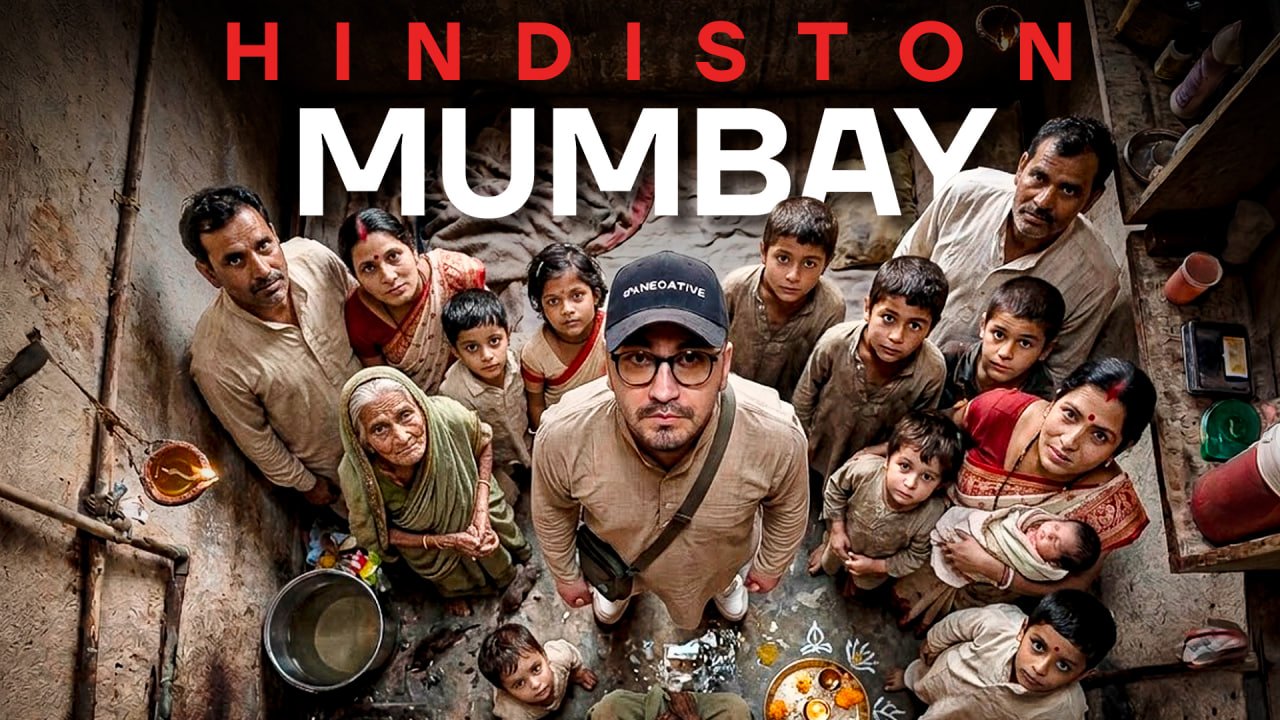
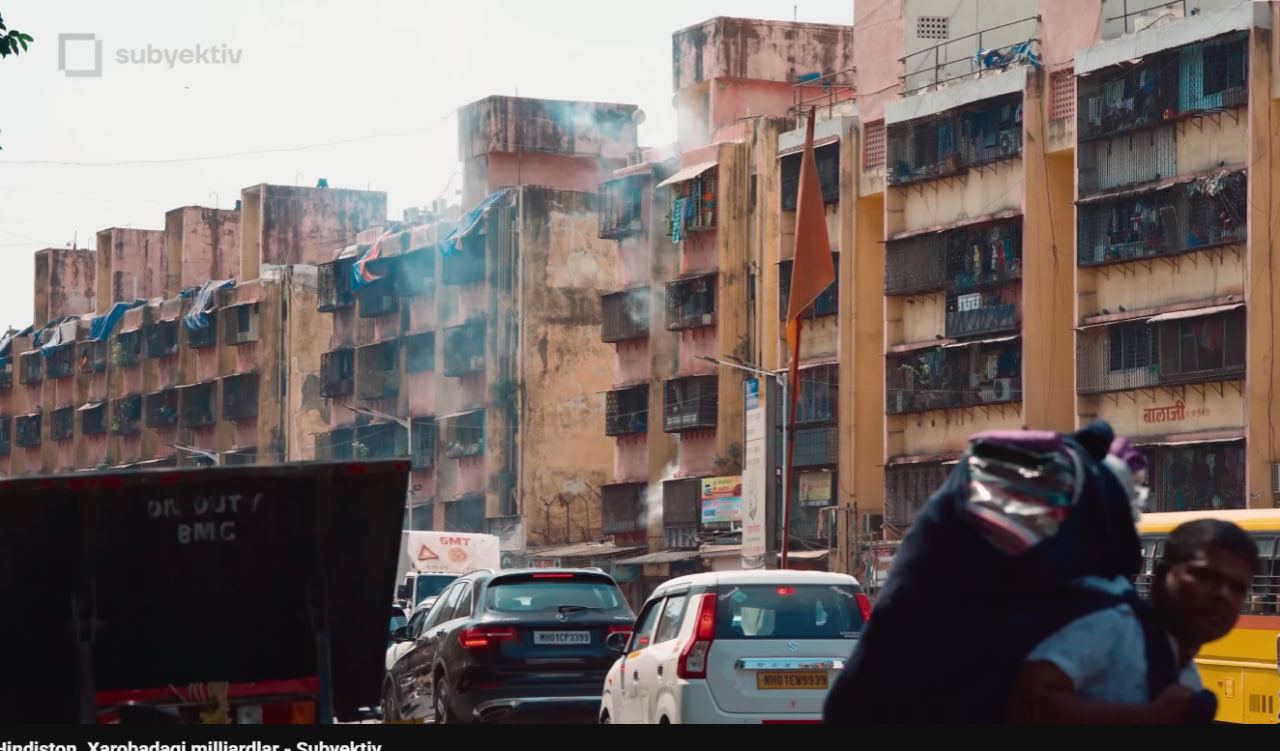
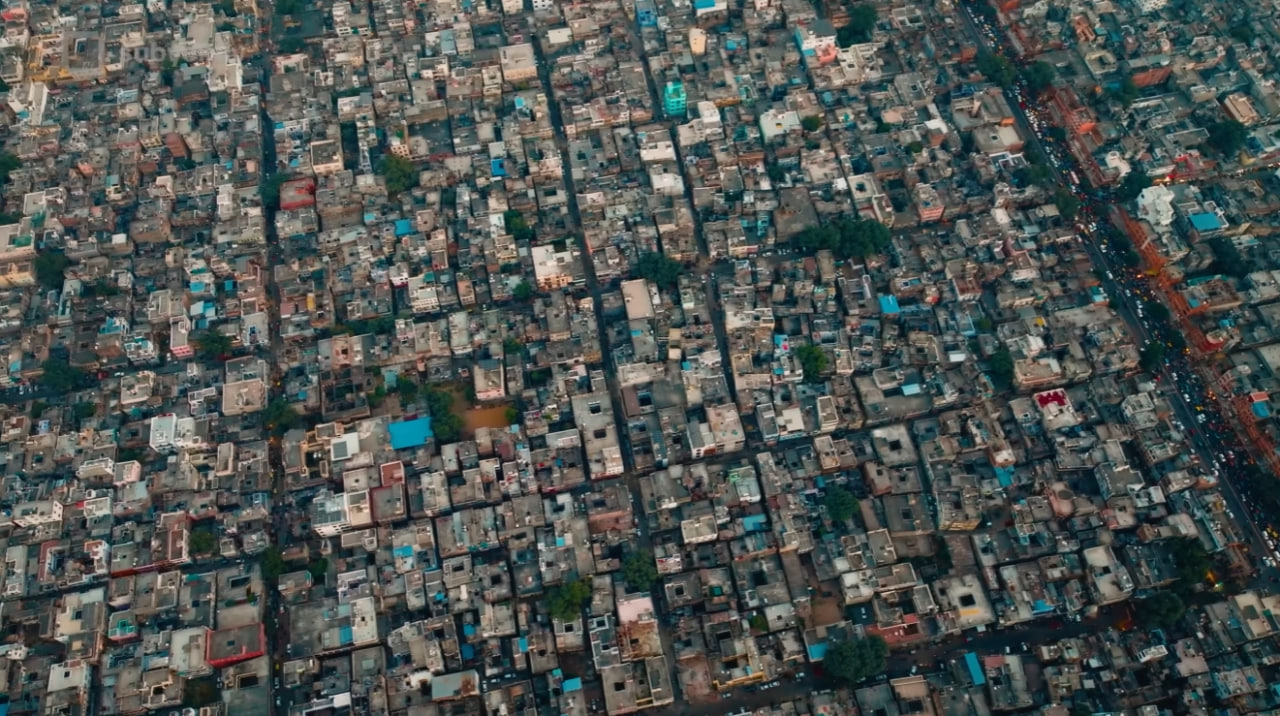
India is the 5th largest economy in the world and Mumbai is the richest city of India’s millionaires. But behind this luxury lives a completely opposite life. This is the ruins of Dharavi. A person who comes here at first sees only poverty and unsanitary conditions. However, the deeper you go, the more unexpected these huts open to you. Dharavi is not just a story of poverty. This is a realistic film about survival, work, dreams and a strong, albeit unsystematic, economy. With SUBJECTIV, your ideas about this topic will become a completely different impression.
Dharavi will surprise you from the moment you enter the daha. Built like a beehive on the water’s edge, these toilets have an open floor. Bio-waste flows directly into the stagnant river.
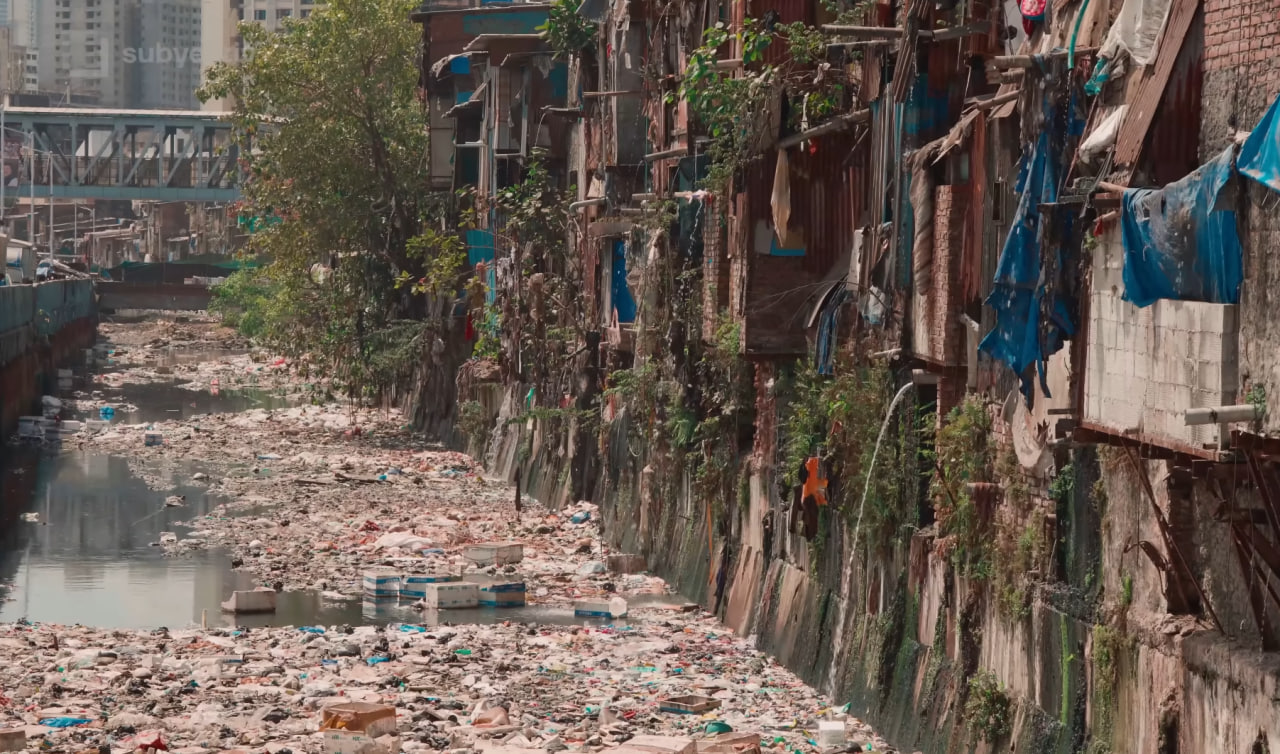
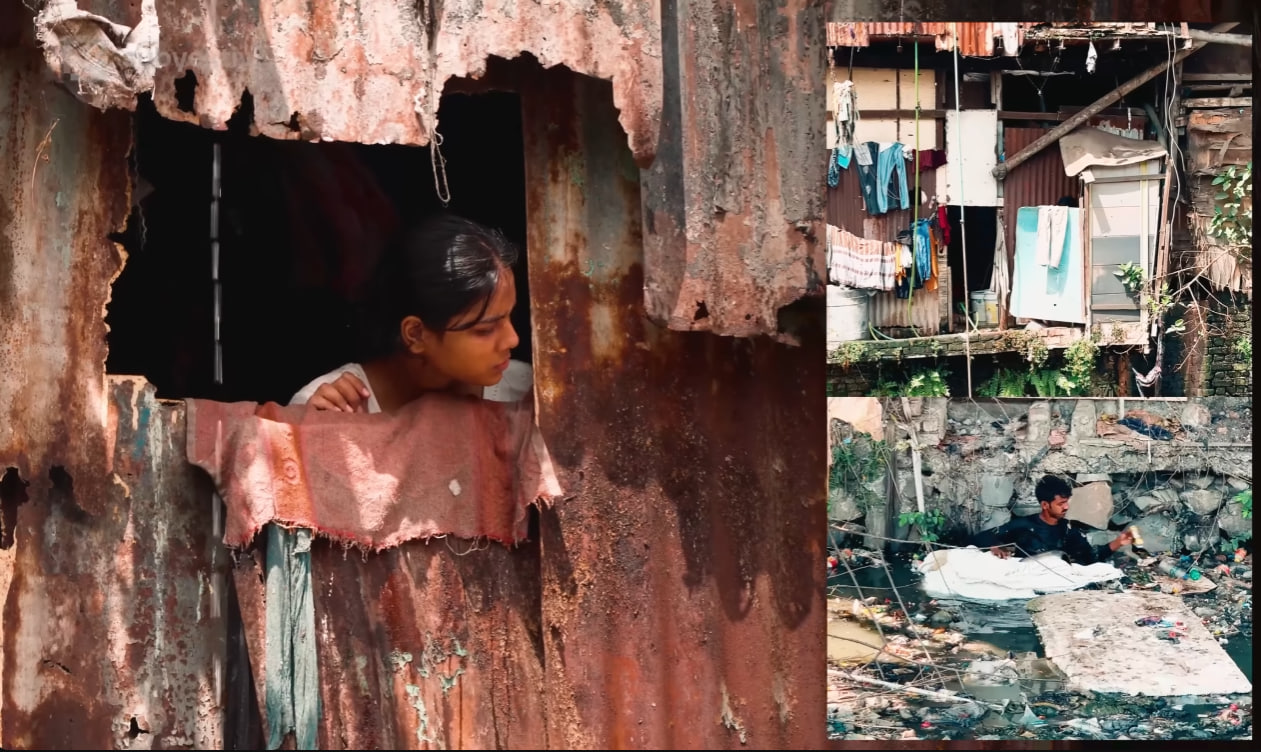
A man just went into the bathroom. Below, this young man is collecting plastic containers from the surface of the water. “There is no guilt in making a living” is probably the biggest motto that Dharavi people live by.
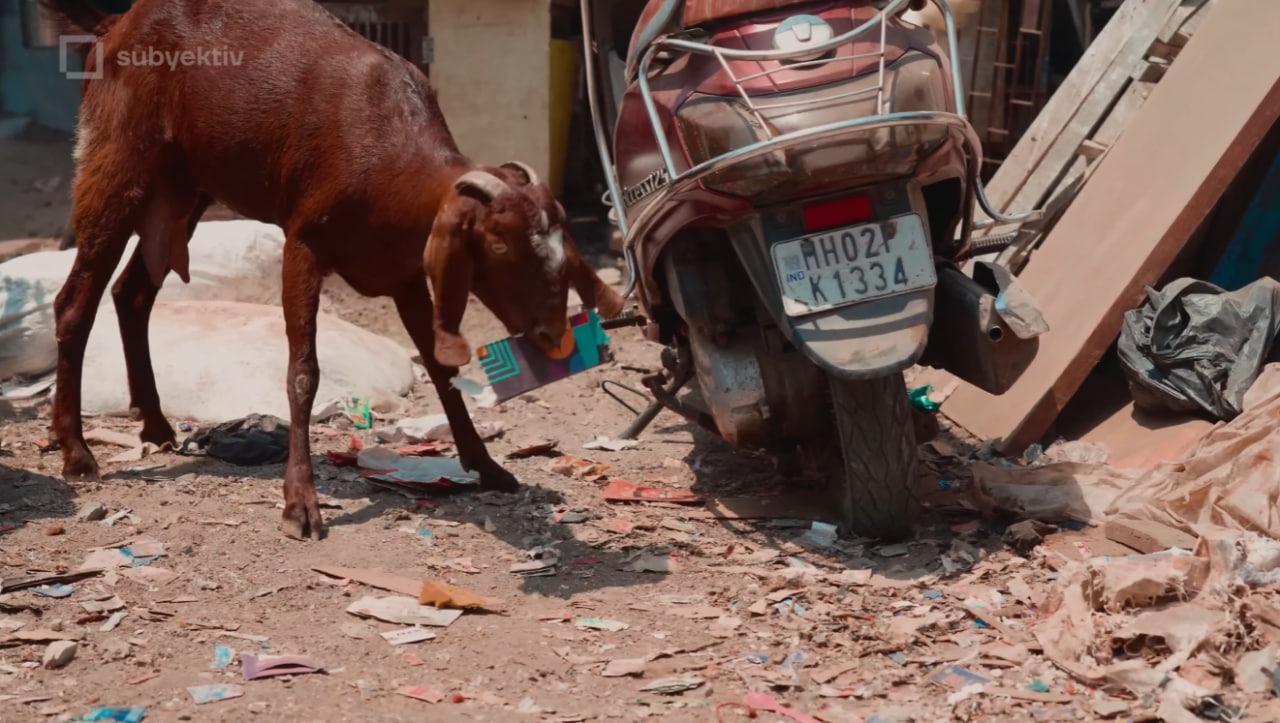
Mumbai is one of the most polluted cities in the world. Environmental pollution has become so common that waste is a part of everyday life. Even domestic pets have been unknowingly eating chemical waste by adding it to organic matter.
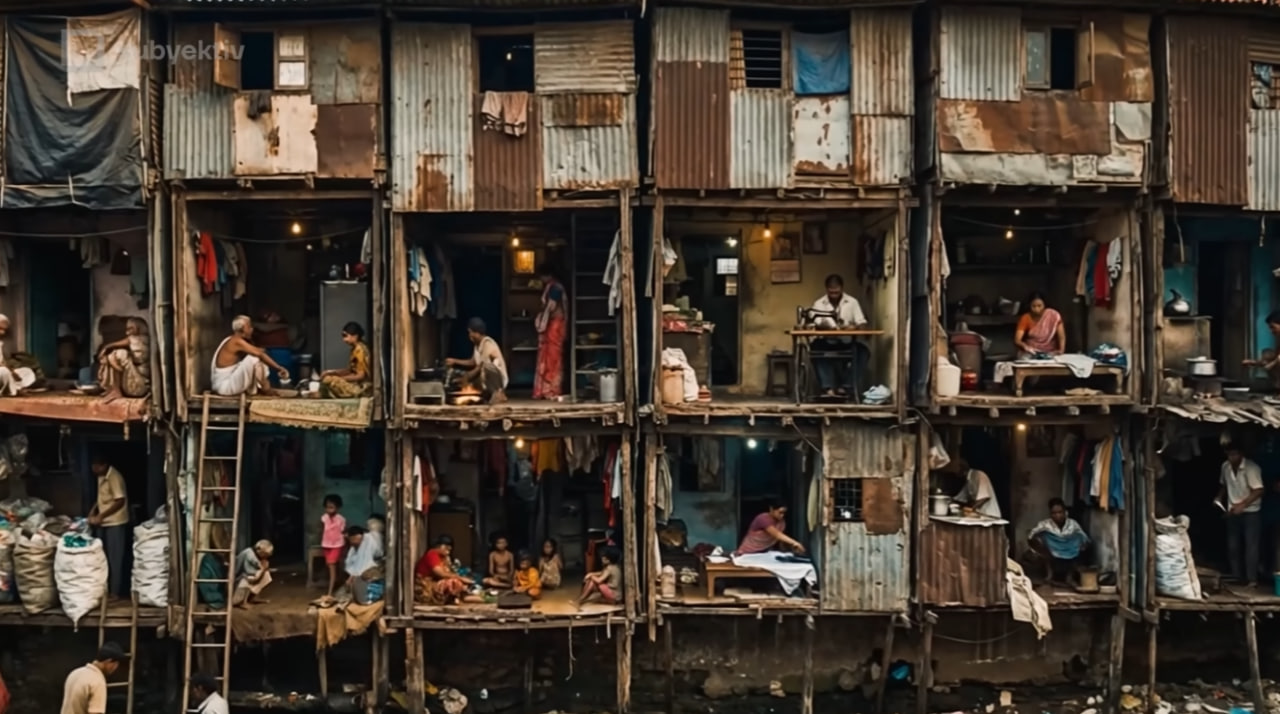
Every time you open a door here, you enter people, not a room. Today is Sunday so almost everyone is at home. The corridors between the apartments do not get sunlight. It’s dark even during the day… As the houses grow upwards, you see hundreds of steep stairs at every step.
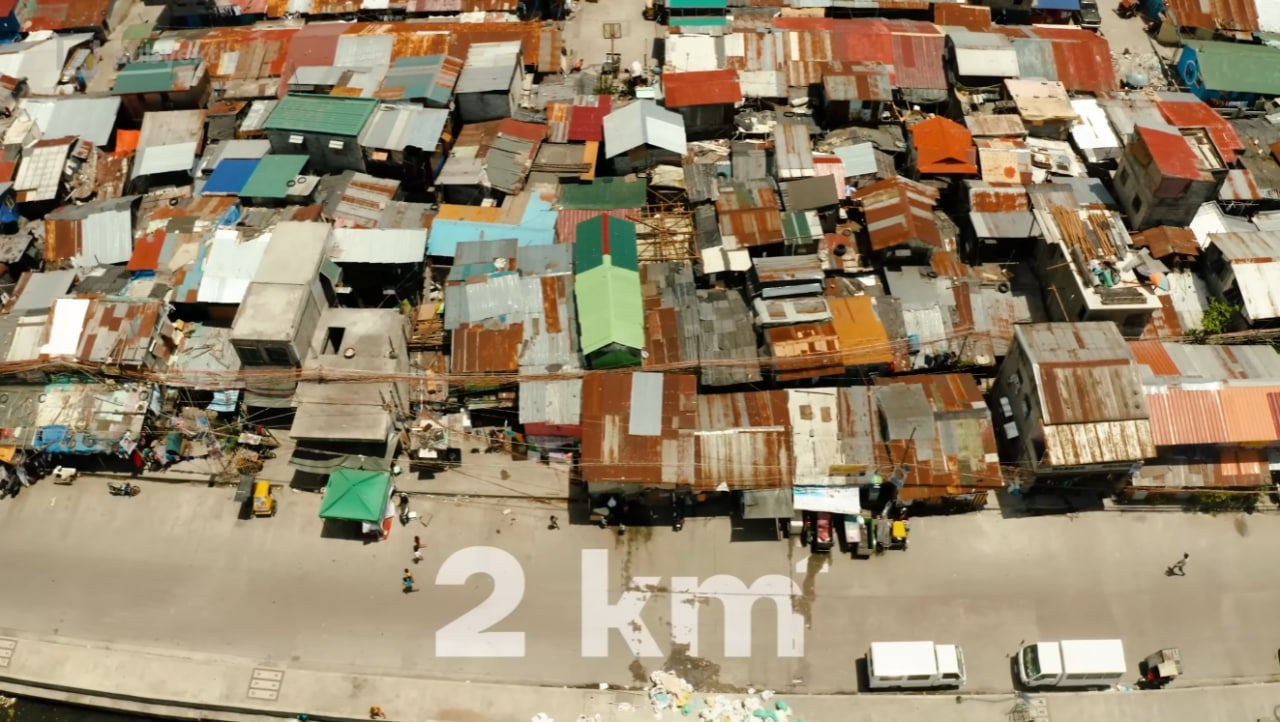
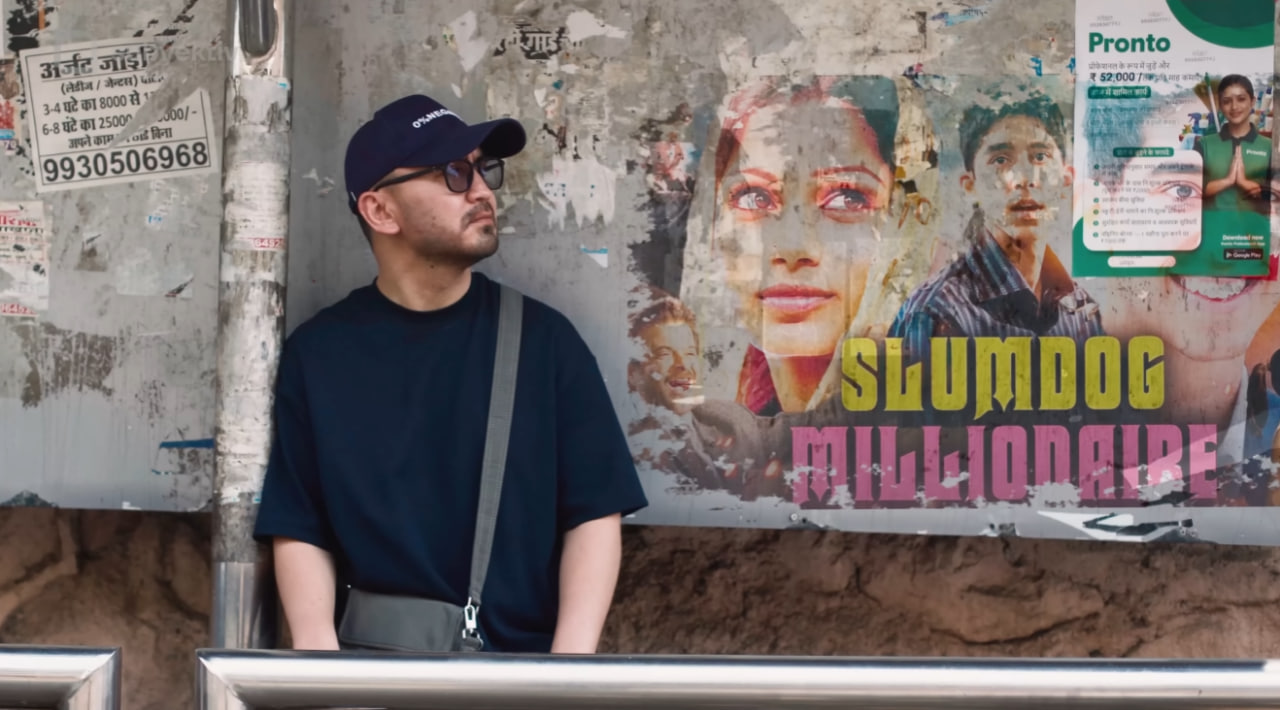
Everything is colorful, and people’s faces are so camera-like that this area looks like an artificially constructed movie theater. By the way, Dharavi was made famous by the movie “Slumdog Millionaire”. The film, which won several Oscar nominations, was shot here. In addition, about twenty Indian films were shot here.
Not all homes have a cooling system. There are also many people who live under tin walls and roofs to withstand high temperatures. During the rainy season, this area is half submerged. The streets are mixed with mud, garbage, and water, and the risk of diseases increases. Another high danger is always nearby – fire. The streets are so narrow that the fire trucks cannot enter. Therefore, even a small spark can cover the entire neighborhood. God bless…
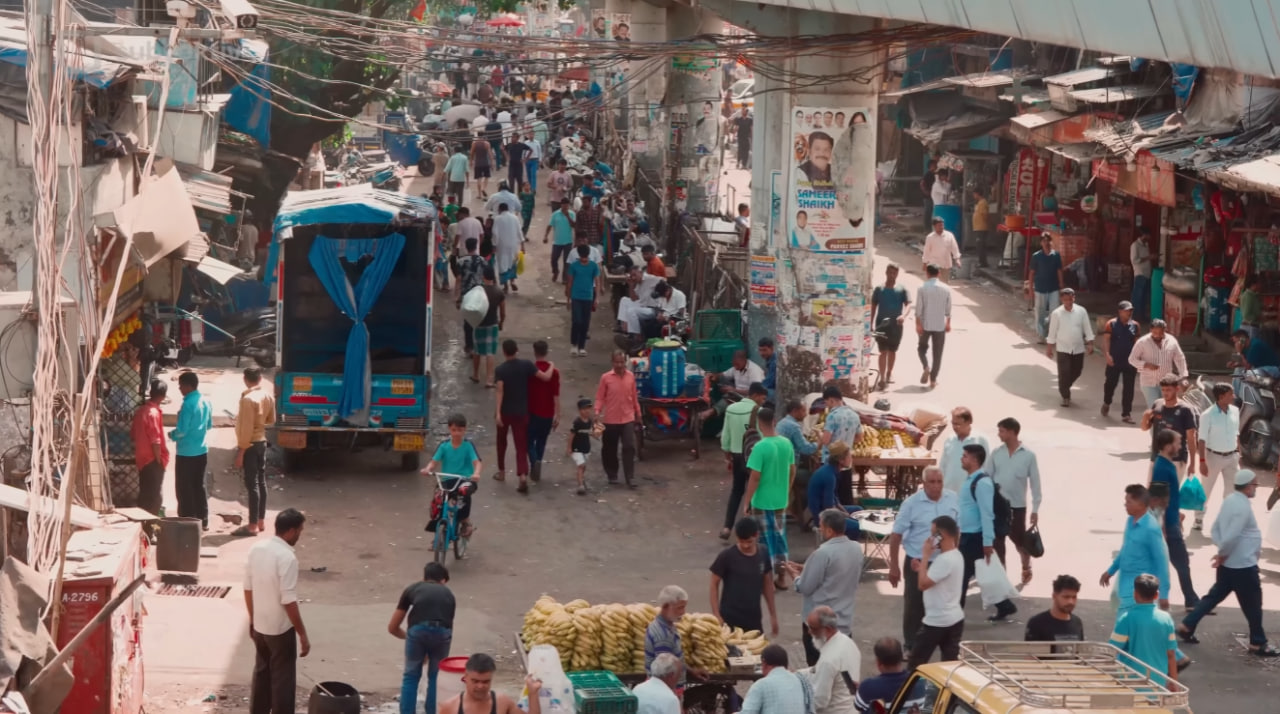
Dharavi is an unofficial but huge economic center. The annual turnover of small businesses here is estimated at 1 billion dollars. These streets, which we are walking around, are the production area of the region. Someone sorts and recycles the waste. Pottery, tailoring or small workshops are in full swing in tiny rooms behind each door. The world-famous “Dharavi” brand of leather products is also owned here.
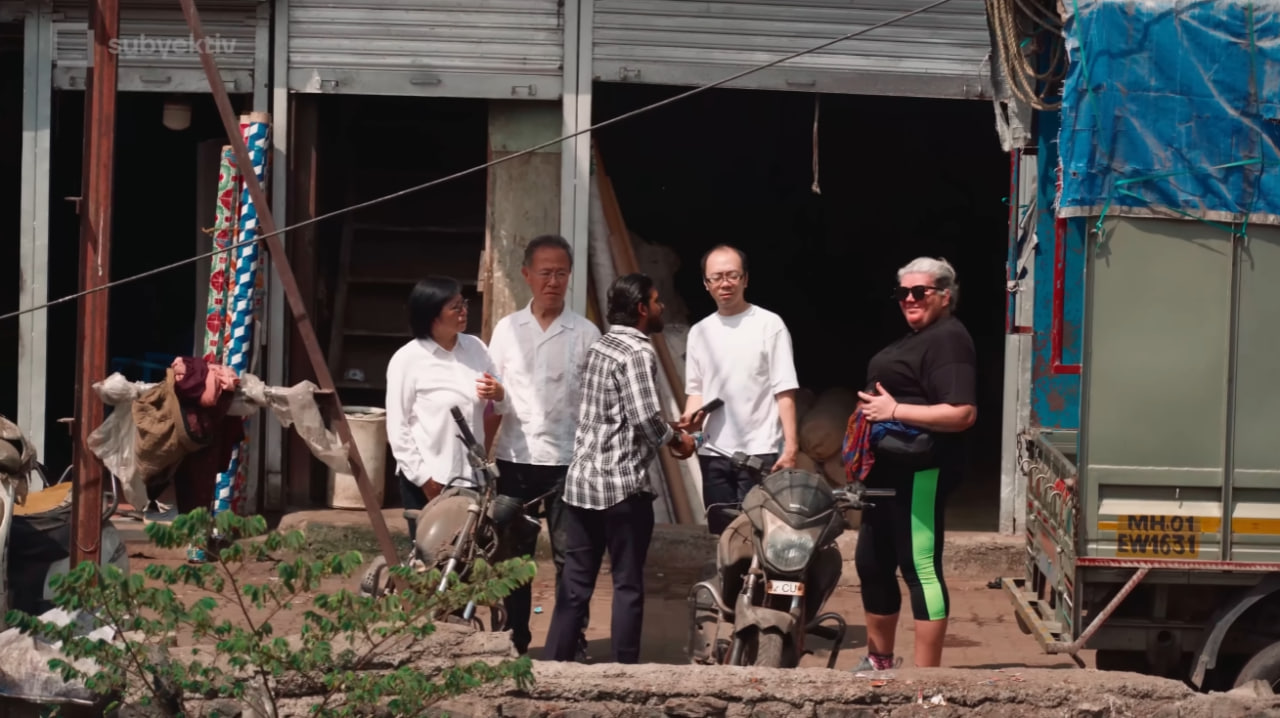
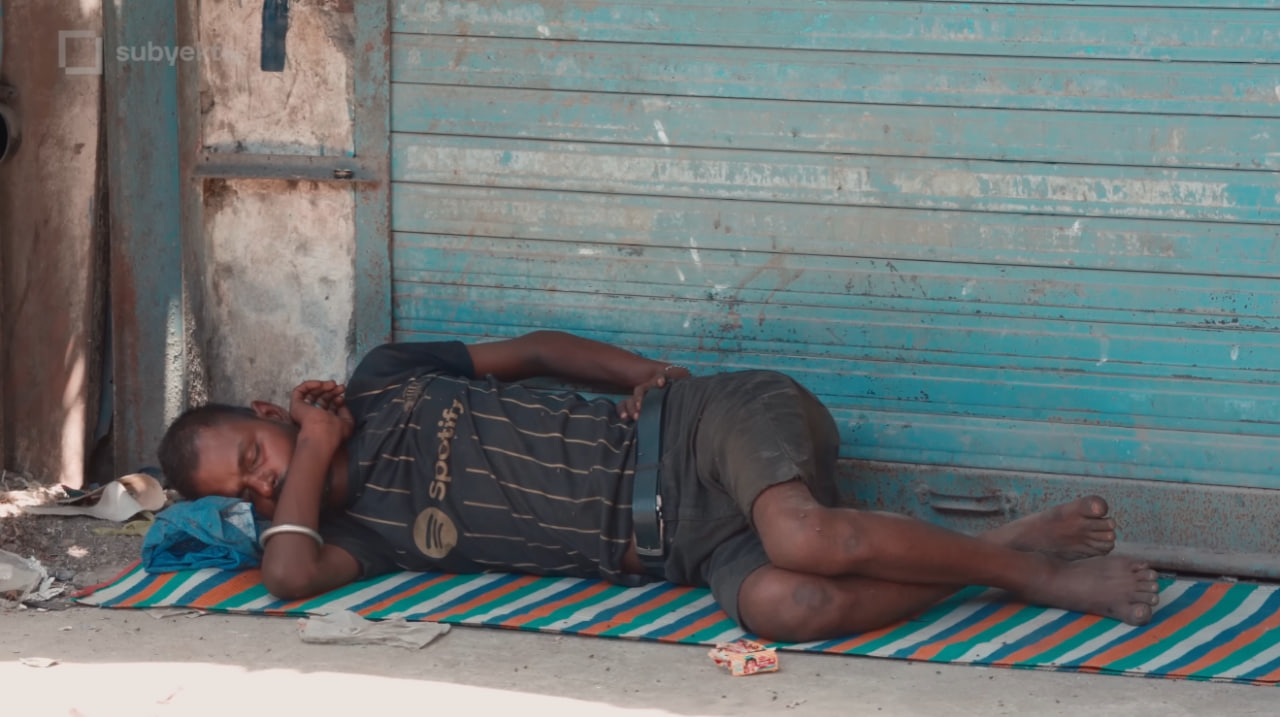
Most people’s jobs here are informal. It is there today, it may not be there tomorrow. People often charge a daily or weekly fee. For Dharavi children too, childhood ends early. Because you need to help the family. The earning age starts much earlier. There is not much hope to leave this place after doing well in schools. For us, these amazing sights are a simple way of life for the Dharavi people. Tourists who are interested in their life come and go. And life in Daha goes on as always.
Dharavi did not appear by accident. He was born in the hidden slums of Mumbai. By the end of the 19th century, British Bombay began to grow rich. The center has become beautiful. But this beautiful city has put aside its hard work, its dirty industry, and its poor population. Once upon a time, this land was a remote area between swamps and waterways. Artisans, potters, tanners, tailors and workers from other cities settled here.
Dharavi grew by necessity, not by ‘plan’. This place was built not by architects, but by people forced to survive. Wherever they found a place, they made it their home. The workshop became a house, and the house became a workshop. There was work, but there was no infrastructure.
Those who came to live in this place also built mosques, Hindu temples, schools, religious centers, neighborhood networks, workshops, and small production points. Over the years, this small settlement of ruins has grown into a huge economic, cultural and demographic organism.
Thus Dharavi was born out of necessity, not on a map. Its unusual architecture may seem very fragile. But the foundation is built on hard work, coercion and the will to survive. This is not a pauper’s story. This is the history of the people the city needed, but the city did not accept.
The growth of Bombay also changed the fortunes of Dharavi. The area that was once a suburb has become a huge metropolis over time. The marginalized area has now become the city’s most valuable geography.
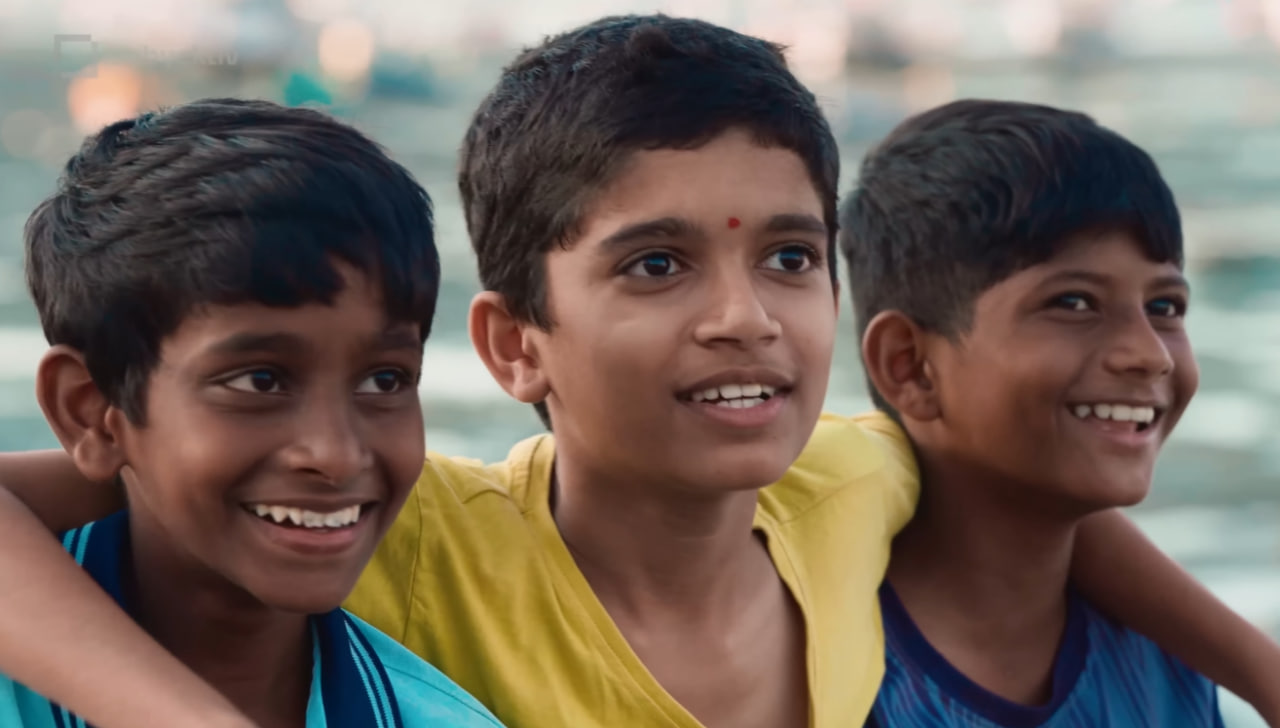
A person who comes here understands that happiness has different dimensions for everyone. They don’t have wealth, the latest cars and phones, or even comfortable homes. But people can laugh sincerely. This is how Dharavi people see the world and they are happy in their world!
You will get the rest of the impressions by watching the documentary!