Miami/There are institutions that have been working for decades in favor of citizen rights in general and, even so, sometimes we never get to know them, even though to some extent they favor us. That’s what happened to me with the American Independent Institute, based in Oakland, California, a whopping 40 years ago.
I learned about this NGO thanks to my friend Gabriel Gasave, an Argentine with great personal friendliness who inspires confidence from the moment you meet him, which motivated me to invite him to my program. Opinionson Channel 17. The purpose was to talk about his country and the meaning that his fellow citizens decided, apparently, to break with the most carnivorous version of Peronism, Kirchnerism, and elect an individual with the singularities of Javier Milei.
Gasave, after the program, spoke to me with great pride about his work as director of the Center for Global Prosperity at the Independent Institute. The entity is dedicated to producing research and public policy proposals with the aim of promoting more free, peaceful and prosperous societies, in addition to publishing books, articles and an academic journal called The Independent Reviewand organize events, conferences and disseminate educational content.
The NGO has a blog in Spanish titled ‘Voices of Freedom’ that has been in existence for 20 years, and which frequently discusses some of the hottest issues in the hemisphere.
On the other hand, the NGO has a blog in Spanish titled Voices of Freedom which has been in existence for 20 years, and which frequently deals with some of the hottest issues in the hemisphere, such as Cuba, Venezuela and Nicaragua, focused on the freedom and independence of the individual.
Gasave pointed out to me that the entity’s approach is based on ideas of free markets, limited government, private property and the rule of law, all framed in the tradition of classical liberalism or libertarianism, while maintaining a reasonable distance from political parties, something that seemed very wise to me, in these difficult times.
I don’t remember if it was on that occasion or later that he told me about the probability that the Institute would hold an event dedicated to Cuba. Weeks later he told me that they were already organizing it, that he invited me to it and that he would like to have other Cubans from this region.
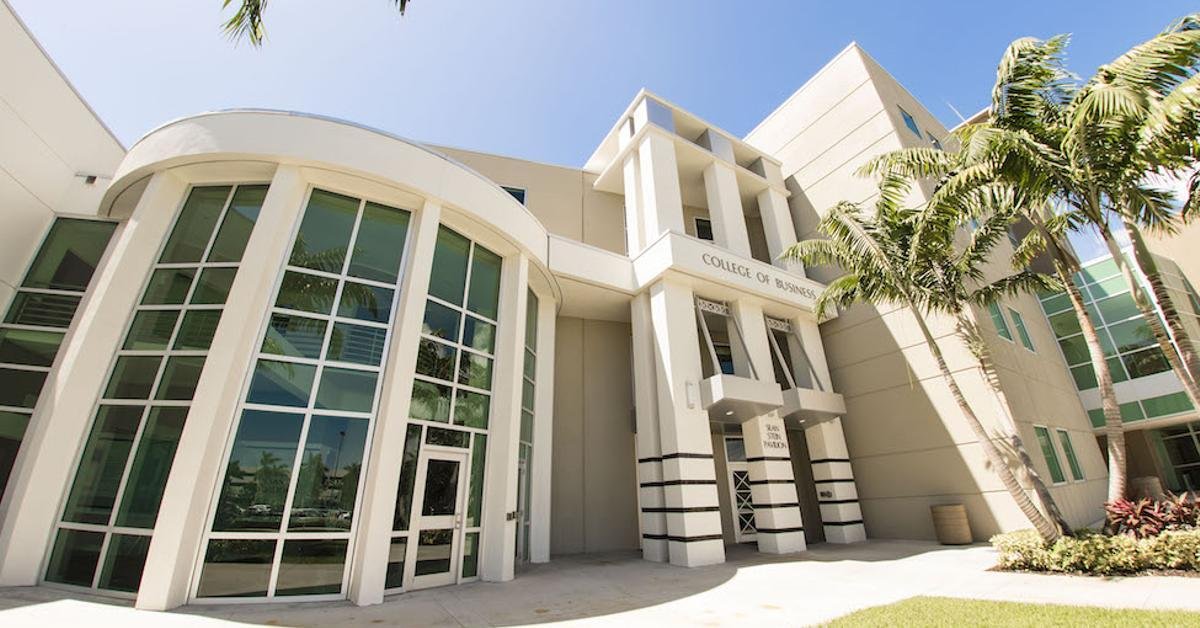
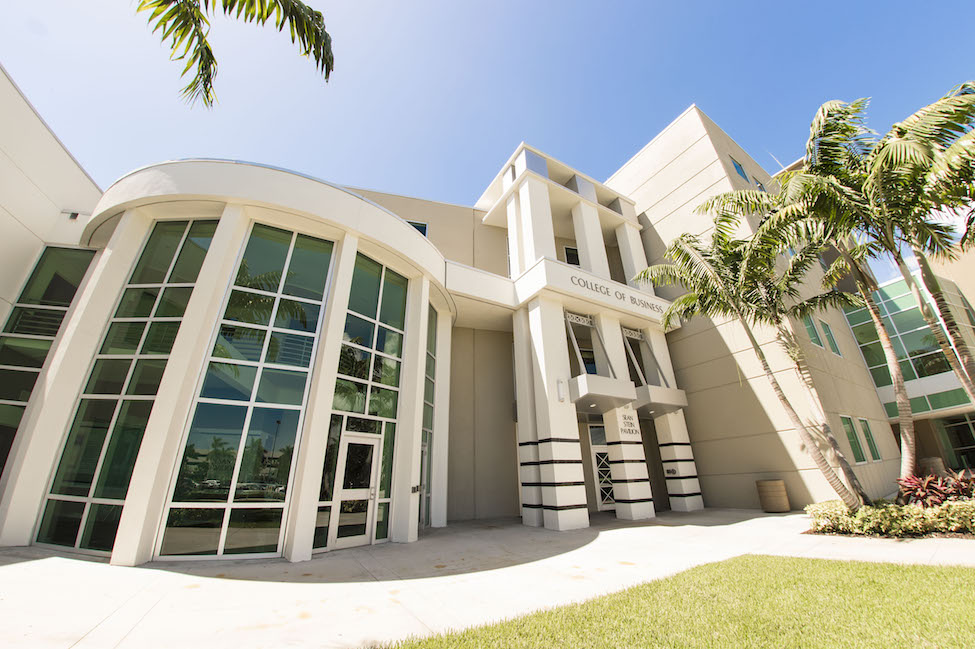
Evidently, for the Independent Institute the plans do not take long to become reality, and on April 20 and 21 they held, together with the Phil Center for Private Enterprise at Florida Atlantic University (FAU) in the city of Boca Raton, the conference they titled Cuba’s path to freedom: a plan for a post-communist transition.
I listened to very notable people, such as the Argentine constitutionalist Ricardo M. Rojas, who knows more about the Magna Cartas of Cuba than many of us.
The meeting was held as planned, and I can safely say that I was extremely satisfied. My friend and co-participant, Dr. Daniel Pedreira, expressed the same thing to me, who focused with the knowledge that characterizes him, on “the restoration of the rule of law in Cuba”, a more than arduous task after 67 years of a cocktail of dictatorship and totalitarianism that has lacerated the Cuban nation to its roots.
During the day and a half of the meeting, I listened to very notable people, such as the Argentine constitutionalist Ricardo M. Rojas, who knows more about Cuba’s Magna Carta than many of us. I also listened with extreme attention to the journalist and researcher Carlos Mira, a professional who knows in depth the evil of Castro’s subversion throughout the hemisphere, and to a third Argentine who distinguished me with his friendship for many years, the director of Atlas, Martin Simonetta, who addressed the issue of investments, technology and the rule of law in the Cuba of tomorrow.
Of course, there were very talented Americans and specialists from other nationalities who expressed their ideas about the Cuba of the future, along with Cubans like Dr. Ricardo E. Calvo, a man with a passion for everything he expressed that I do not doubt would shake the foundations of the building, or the businessman Nelson Fesas. I believe that all of them, without exception, lived up to what the Independent Institute projected under the leadership of Mary Theroux, chairman and CEO of the organization, and Graham Walker, its president.
The final night I will always keep in my memory. Together with Dr. Calvo, they gave me a distinction that I cherish with great affection. Daniel Perdreira translated my words that were only intended to express thanks for everyone’s solidarity with the tragedy of eternal Cubas.