NAMMCO has since 2019 recommended a halt to the capture of narwhals, and the organization recently reiterated its recommendation.
As the populations of narwhals and beluga whales in East Greenland are assessed to be threatened, the North Atlantic Marine Mammal Commission recommends that the catch ceases.
NAMMCO has since 2019 recommended a halt to the capture of narwhals, and the organization recently reiterated its recommendation.
As the populations of narwhals and beluga whales in East Greenland are assessed to be threatened, the North Atlantic Marine Mammal Commission recommends that the catch ceases.
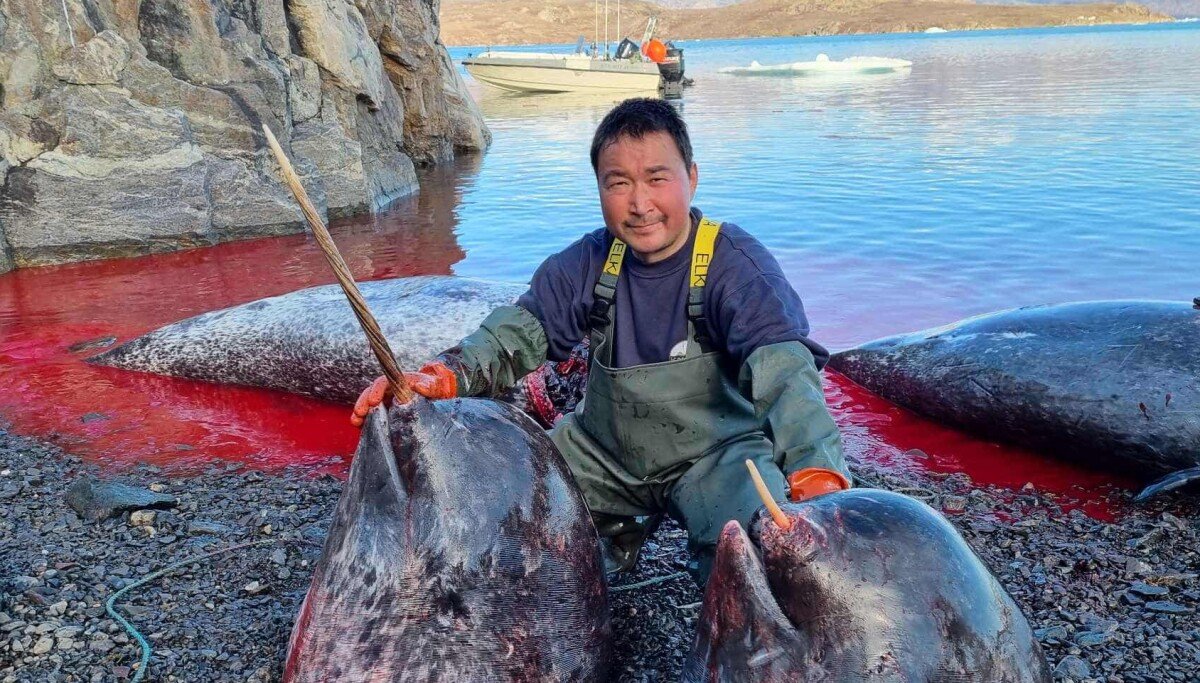
Åge Danielsen, one of the nine commercial prisoners in Ittoqqortoormiit, can neither understand nor accept that recommendation.
– I don’t understand it at all. The narwhals we see here – both us trappers and recreational catchers – see a lot. They pass by Ittoqqortoormiit in such large numbers that I can’t even estimate how many there are, says Åge Danielsen.
He is 38 years old and has been a prisoner since he finished primary school in 2005. The narwhal is an important source of food and income for the prisoners in Ittoqqortoormiit all year round.
– It is a very important catch because we cannot do without it, he says.

The prison business may be lost
This year, 41 quotas have been allocated for narwhals in East Greenland, and more narwhals than belugas are caught in the area. In total, quotas have been allocated for 30 beluga whales in the period 2022–2027, of which seven have not yet been caught.
The narwhal is so important to the Ittoqqortoormiit captives that, according to them, the industry risks losing its future if quotas are no longer allocated.
– If no more quotas are allocated, I think that we nine trappers will be the last catchers here. We will be the last, because even if we try to pass the profession on to the next generation, it is prevented by the large quota restrictions, says Åge Danielsen.
Greenland’s Nature Institute recommends quotas for Naalakkersuisut, and their recommendations are based, among other things, on NAMMCO’s assessments, which also indicate that quotas should not be allocated for narwhals and beluga whales.
It is the naalakkersuisoq for catching that decides how many quotas are to be allocated. Naalakkersuisoq for catching, Peter Borg, is encouraged by Åge Danielsen to visit Ittoqqortoormiit.
– Naalakkersuisoq for capture should visit Ittoqqortoormiit to hear the knowledge of the captures. A resource as important as this whale cannot suddenly be banned from catching, says Åge Danielsen.
Asking questions at the count
Åge Danielsen clearly remembers an experience from September 2022, when he and around five fellow prisoners were in Kangersuttuaq on a narwhal hunt.
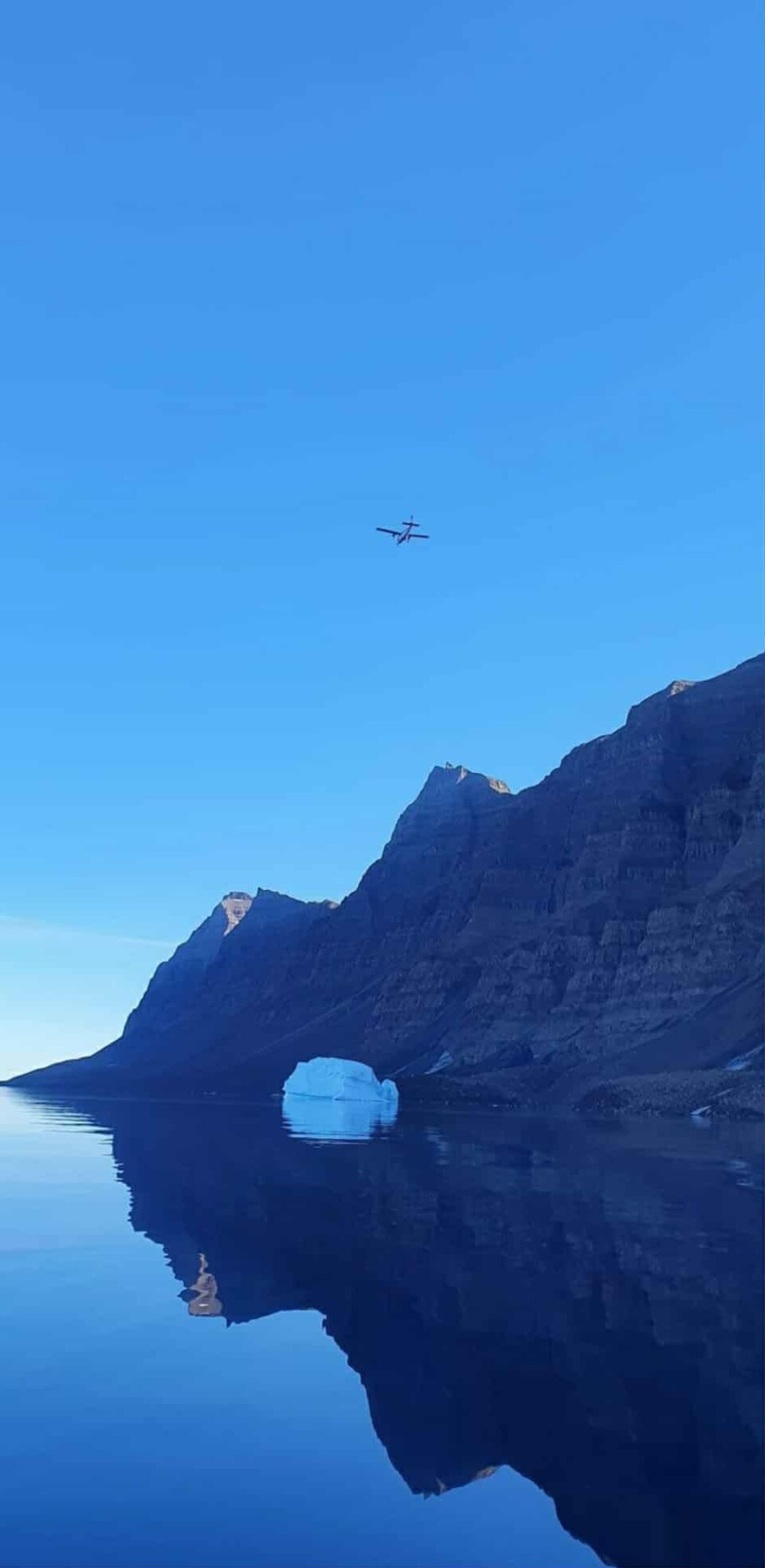
After six days of capture, a Twin Otter aircraft flew over the area to count the whales. According to Åge Danielsen, over 600 narwhals passed through Kangersuttuaq during the six days.
The narwhals enter the fjord in groups. The number in each group varies, but there are typically around ten animals – sometimes over 30.
According to him, the plane flew over the area twice to count the narwhals. Later, the prisoners spoke to a colleague who had been on the flight to hear what had been seen.
– When we spoke to our fellow prisoner, who was in Nerlerit Inaat in the evening, we asked him, and he said that they had not seen narwhals, but that they had seen our boats, says Åge Danielsen and continues.
– It shows very clearly how difficult it is to count narwhals from an airplane.
Invites the biologists to their capture site
According to Åge Danielsen, there are three different groups of narwhals around Ittoqqortoormiit.
– The narwhals that come in from the sea outside the coast are tall and broad and have bigger bellies. We call the others the narrow ones – they are longer. And then there are the common narwhals. We catch the common ones in the summer, while the others from the sea and the narrow stay in our area in the winter and spring, says Åge Danielsen.
He has no doubt that some narwhals are overlooked because the counts take place within a certain time frame.
– Biologists are not aware of the narwhals that appear in the spring like now, because they are narwhals from a different group. These are the ones from outside the sea that sometimes stay in our area right up to July. It would be surprising if they are no longer allowed to be caught because there are so many of them.
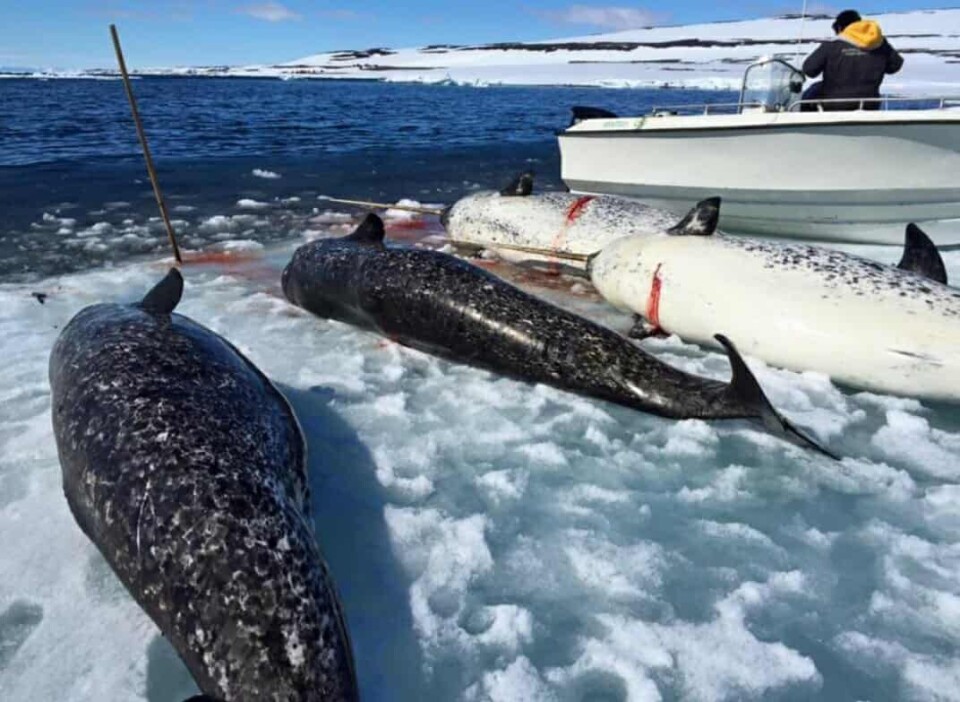
It is not unusual for biologists and trappers to disagree. This time the disagreement is about how many narwhals there are in East Greenland.
If the counts are to be improved, what do you think should be done?
– The biologists should go out with us to our fishing areas. They can count the narwhals from land in the areas where we catch them. Only then would they really be able to see them. Not by using planes for counting, but by using boats, concludes Åge Danielsen.
We have tried to get a comment from Fernando Ugarte, department head for mammals and birds at the Greenland Institute of Nature, about Åge Danielsen’s recommendations and criticism of the biologists’ methods.
As he is currently in the field, it has not been possible to get a comment.
Siumut has previously criticized NAMMCO’s recommendation not to issue quotas for narwhals in East Greenland. The party believes that the decision is not sufficiently documented or clearly justified.
– The basis for the advice is thoroughly documented and publicly available in a large number of places, Fernando Ugarte wrote, among other things, in a written comment to Sermitsiaq. You can read the entire article here.