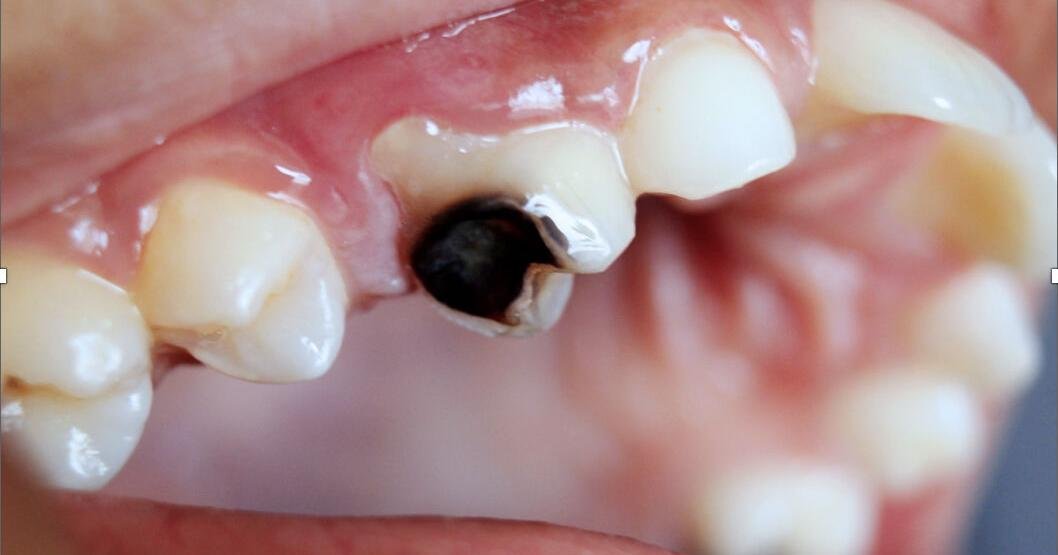
Many people associate severe tooth decay with children, but in dental offices we regularly see adults suffering from rampant tooth decay — multiple cavities, broken teeth, gum inflammation, foul breath, and heavy plaque buildup. The tragic part is that much of this damage is preventable. It often begins not with one major mistake, but with small nightly habits repeated over time.
One of the most common problems is going to bed without brushing and flossing. Others brush early in the evening, then later consume tea with sugar, hot chocolate, candies, cake, pastries, or soft drinks before sleeping. Some believe that because they brushed earlier, they are protected. Unfortunately, the mouth does not work that way.
When you sleep, your body naturally produces less saliva. Saliva is one of nature’s greatest defenses. It helps wash away food particles, neutralize acids, and protect enamel. During sleep however, saliva flow drops significantly. This creates a perfect environment for harmful bacteria already living in the mouth.
If sugary foods or drinks are left on the teeth overnight, bacteria feast on those sugars and convert them into acids. Those acids begin attacking the enamel for hours while you sleep. Plaque, a sticky bacterial film holds the acid directly against the tooth surface. Night after night, this silent assault weakens enamel, creates cavities, and inflames the gums.
The result can be devastating. We often see adults with teeth so badly decayed they break while eating soft foods. Others suffer constant sensitivity, pain, infections, abscesses, swollen gums, bad breath, and difficulty chewing. Some require multiple fillings, root canals, crowns, extractions, dentures, or implants. What could have been prevented with a toothbrush and floss can become costly and life-altering treatment.
Heavy plaque accumulation also contributes to gum disease, where the supporting bone around the teeth begins to shrink. Teeth may loosen, shift, or eventually be lost. Beyond the mouth, poor oral health has been linked to broader health concerns such as diabetes control, heart disease risk, and systemic inflammation.
The good news is that rampant decay is highly preventable. Here are simple steps that can change your future:
Brush last thing before bed: Use fluoride toothpaste for two full minutes. Make this the final act before sleep.
Floss nightly: Your toothbrush cannot clean between teeth where many cavities begin.
After brushing, only drink water: If you consume sweets or sugary drinks after brushing, you reset the damage cycle.
Reduce frequent snacking on sweets: Candies, cakes, pastries, and sodas feed decay-causing bacteria.
Choose smart nighttime beverages: Unsweetened water is safest. Sugary tea, cocoa, and soft drinks are not bedtime friends.
Visit your dentist regularly: Professional cleanings and early detection save teeth and money.
The truth is simple: Teeth usually do not collapse overnight—they decline quietly through neglect. Every night you either strengthen your smile or weaken it.
Before you turn off the lights tonight, ask yourself one question: Have I prepared my mouth for healing, or for destruction? Your nightly habits may determine whether your teeth serve you for life.
- Dr. Kendal V. O. Major is the founder and CEO of Center for Specialized Dentistry, which is a comprehensive family dental practice operating in Nassau and Freeport. He is the first Bahamian specialist in gum diseases and dental implants since 1989. He is also a certified Fastbraces provider. His practice is located at 89 Collins Avenue, Nassau at (242)325-5165 or kmajor@csddentistry.com.