What has become of the effort to tidy up public finances, launched with great fanfare by Kaja Kallas’s government and meant to be continued by Kristen Michal’s cabinet? The promised budget cuts have largely failed to materialize – they have remained mostly cosmetic – and the situation has instead been tackled primarily through additional tax hikes, of which the list would be long.
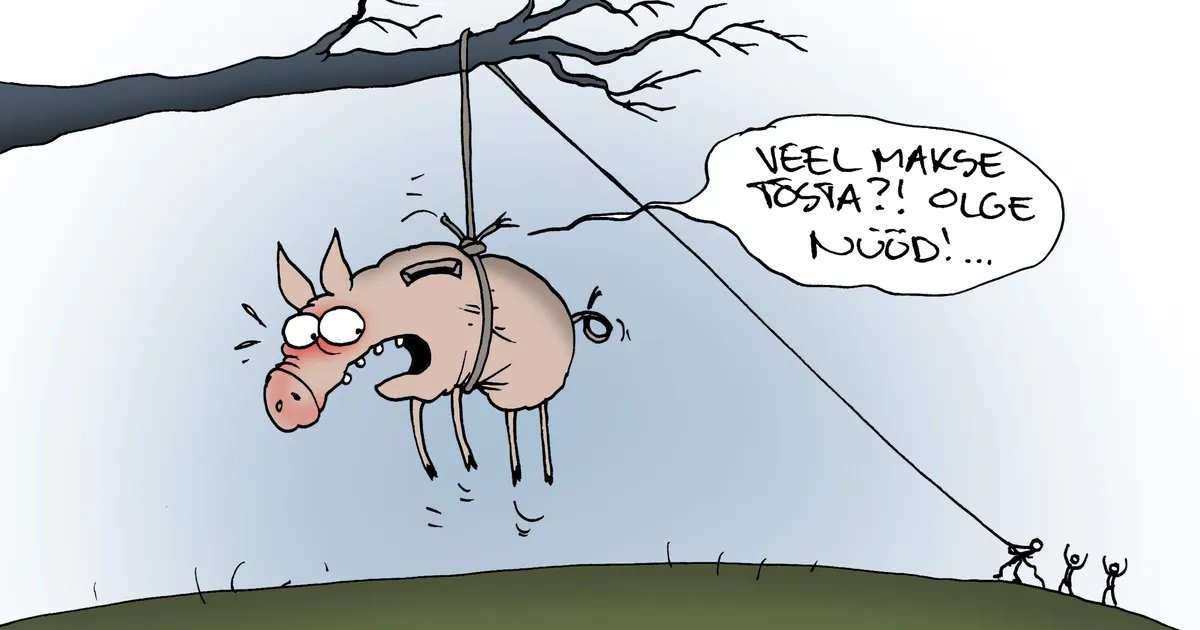
By now it should be clear to everyone that Estonia’s problem lies in high expenditures and revenues that fall short of covering them. Abolishing the tax hump has not improved the state of the budget. Further tax increases or higher state fees cannot be the solution; our consumption taxes are already among the highest in Europe. The international economic environment is deteriorating, and our neighbor Latvia is, for example, responding by cutting VAT on food and temporarily reducing fuel excise duty.
Depending on how quickly the war in Iran ends and how soon it is possible to reopen the Strait of Hormuz, the world economy will either turn upwards or face a longer period of stagnation. The International Energy Agency has predicted that, if the war continues, we may see the greatest energy crisis in history, and the European Union has already recommended that member states conserve their strategic diesel reserves. As we unfortunately know from past experience, when fuel becomes more expensive, so do goods and services – in other words, inflation accelerates. Taking into account the money printing that has taken place in the euro area during previous crisis years, the probability of further inflation rising is already very high even without these additional risk factors.