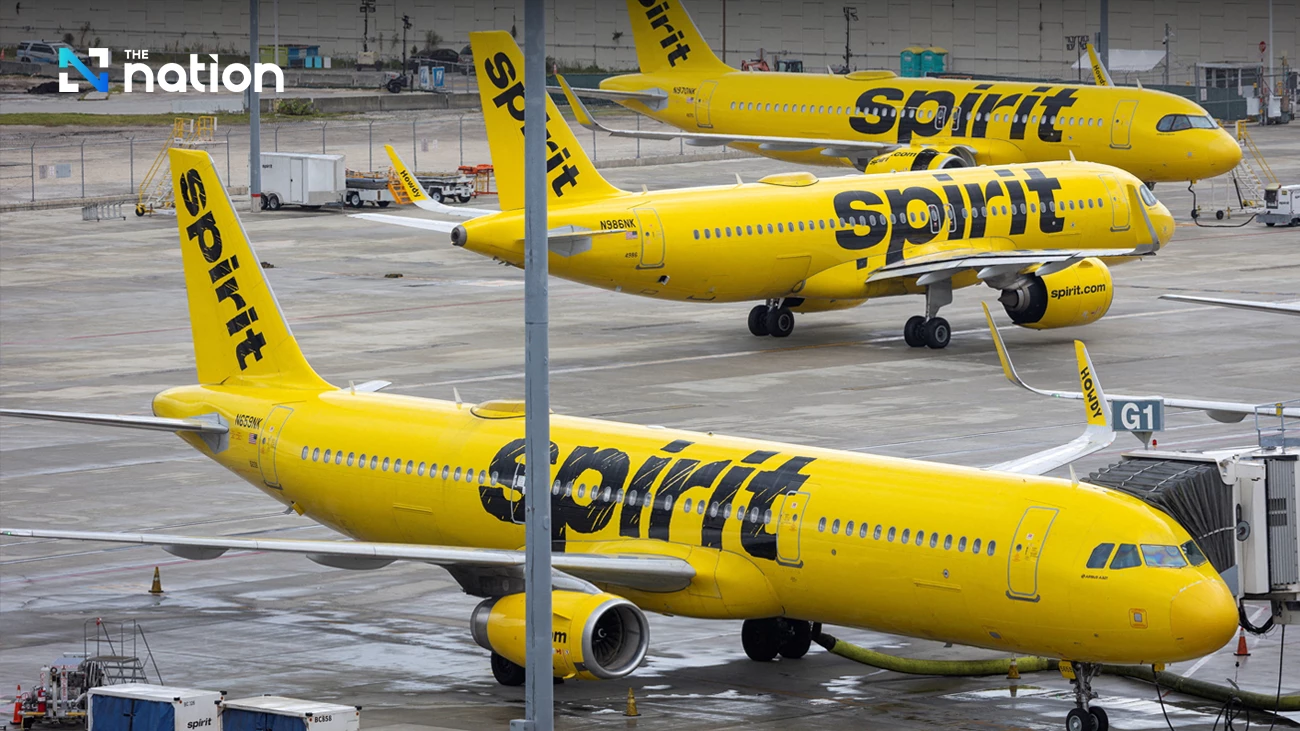
Spirit’s restructuring strategy had been predicated on fuel costs of approximately $2.24 per gallon. However, by late April, prices had surged to $4.51. This massive deficit left the company’s financial outlook in tatters, rendering it unable to secure the fresh financing required to stay airborne.
“Unfortunately, despite the company’s efforts, the recent material increase in oil prices and other pressures on the business have significantly impacted Spirit’s financial outlook,” the airline said in a statement announcing an “orderly wind-down of operations.”

Political Fallout
The collapse represents a significant political setback for President Donald Trump. The administration had proposed a $500 million intervention that would have seen the US government take a 90% equity stake in the carrier.
However, the plan faced fierce internal resistance. Transportation Secretary Sean Duffy remained a vocal critic, telling Reuters that a bailout would have amounted to throwing “good money after bad”.
Following the board’s failure to reach an agreement, Duffy questioned the logic of a state rescue: “What would someone buy? If no one else wants to buy them, why would we buy them?”
A creditor involved in the negotiations was even more blunt: “The administration made an extraordinary effort to save Spirit, but you cannot breathe life into a corpse.”