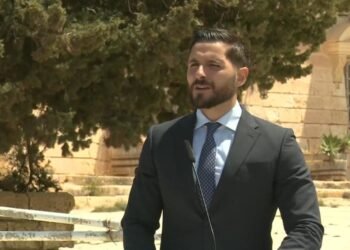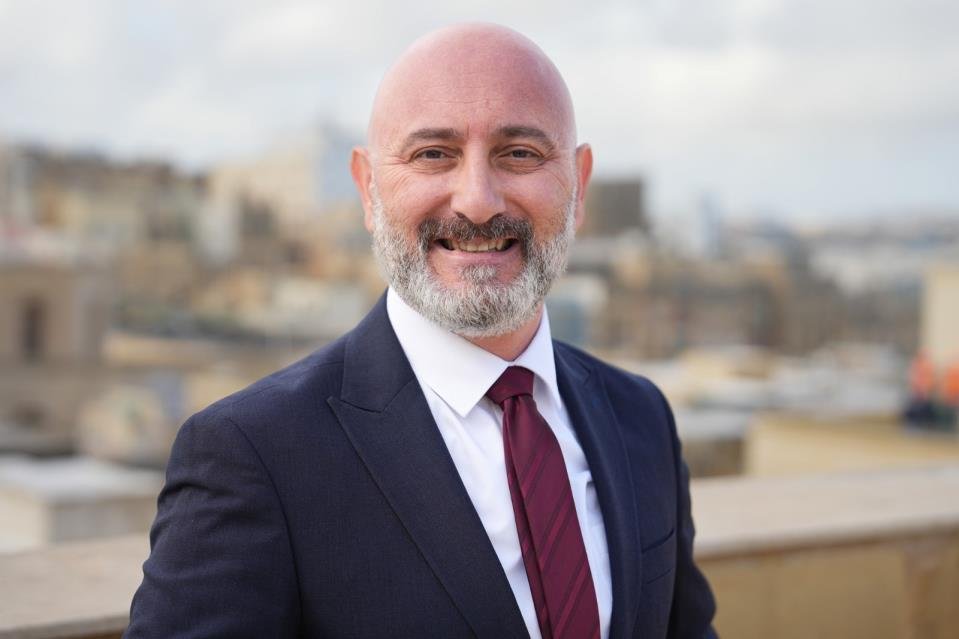
Former Housing Minister Roderick Galdes has struck a combative tone in his latest public address, announcing his decision to withdraw from the upcoming general election. Galdes was attempting to overturn a ban imposed by his party, but today he has announced that he will not be pursuing the possibility of having his name on the ballot sheet.
His departure is marked by a narrative that shifts the blame toward external political forces, rather than his party’s own decision to stop him from contesting. Galdes on Saturday claimed that his withdrawal was motivated by a desire to shield the Labour Party from “partisan attacks” by the Nationalist Party and “extreme factions” which he alleges are weaponizing his name to damage the government’s image.
In a highly charged statement, Galdes insisted that his decision was not a retreat but a strategic move to ensure the “best possible result” for the party he considers family. He expressed a strong desire to have contested for a sixth term, asserting that the ultimate power to judge a politician’s record should lie with the electorate. He dismissed recent controversies and allegations as “baseless slanders” intended to destroy his character, confidently predicting that the truth would eventually emerge to clear his name.
Despite his focus on opposition interference, the former minister’s path to the ballot was actually cut short by the Labour Party’s own internal leadership. Last week, the party’s National Executive committee held a secret vote that ultimately blackballed his candidacy. This move followed Galdes’ resignation from the Cabinet in January 2026, which occurred amidst mounting pressure over his personal property dealings and reported family links to social housing contractors. While Galdes has formally challenged the executive’s vote, claiming procedural irregularities involving a “district rival”, the party has moved forward by approving a new list of candidates that excludes his name.
Galdes’ exit marks a turbulent end to a long-standing political career. Throughout his statement, he remained defiant, choosing to address his core supporters in Qormi, Luqa, and Siġġiewi rather than the internal party structures that blocked him. While he continues to frame himself as a victim of a coordinated political hit by the PN, the reality remains that his own party leadership determined he was a liability they could no longer afford to carry into the next election cycle.