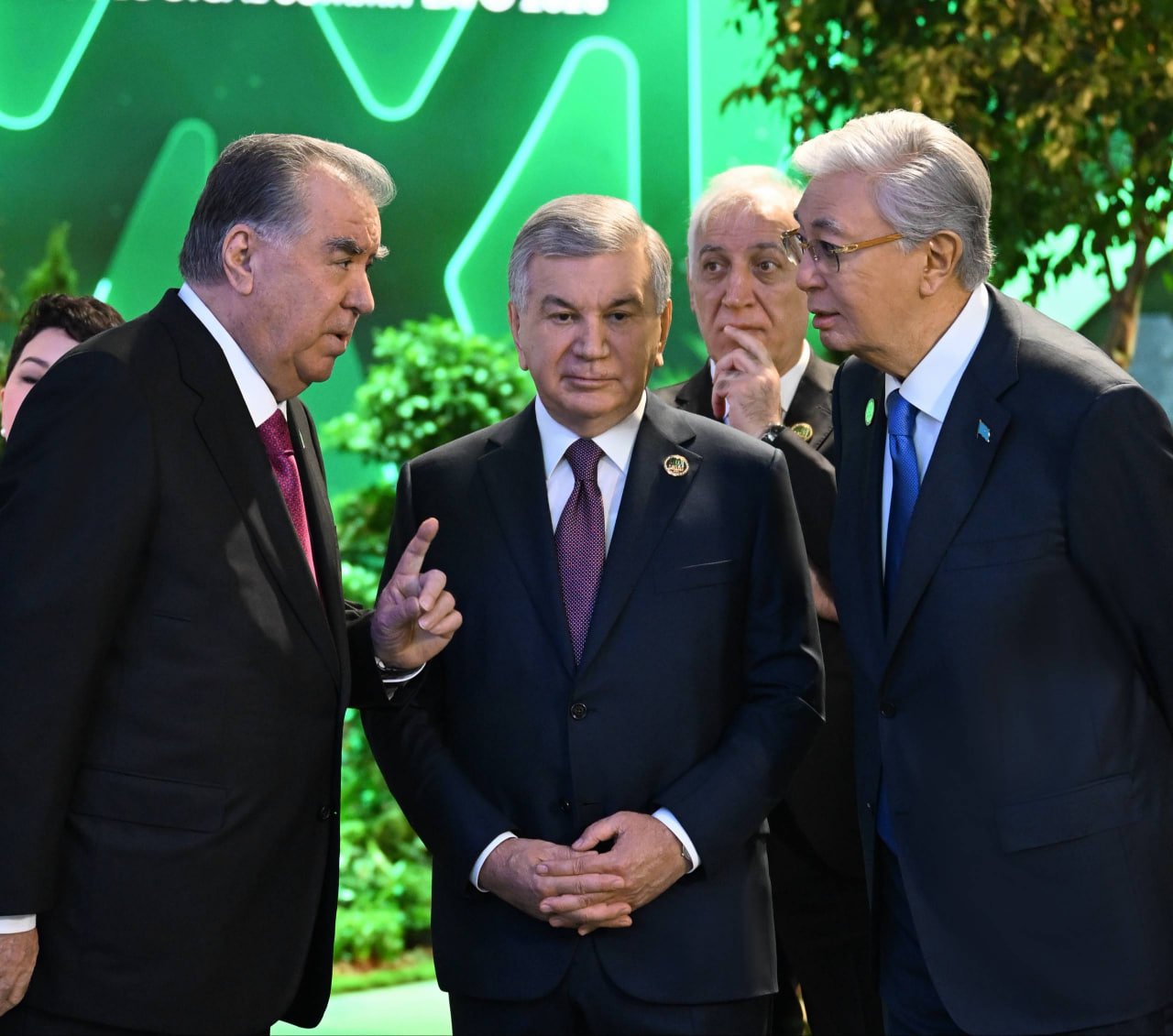
The President of Uzbekistan called on the neighbors to fight together against the deterioration of air quality. The head of Kyrgyzstan said that the neighbors should pay compensation for the costs of maintaining the water infrastructure. The leader of Kazakhstan emphasized the need to learn from the Aral tragedy. The leader of Tajikistan expressed concern about the melting of the glaciers.
On April 22-24, the Regional Environmental Summit was held in Astana, the capital of Kazakhstan. In it, the leaders of Central Asia put forward initiatives related to water scarcity and environmental issues.
“The temperature is rising twice as fast in Central Asia”
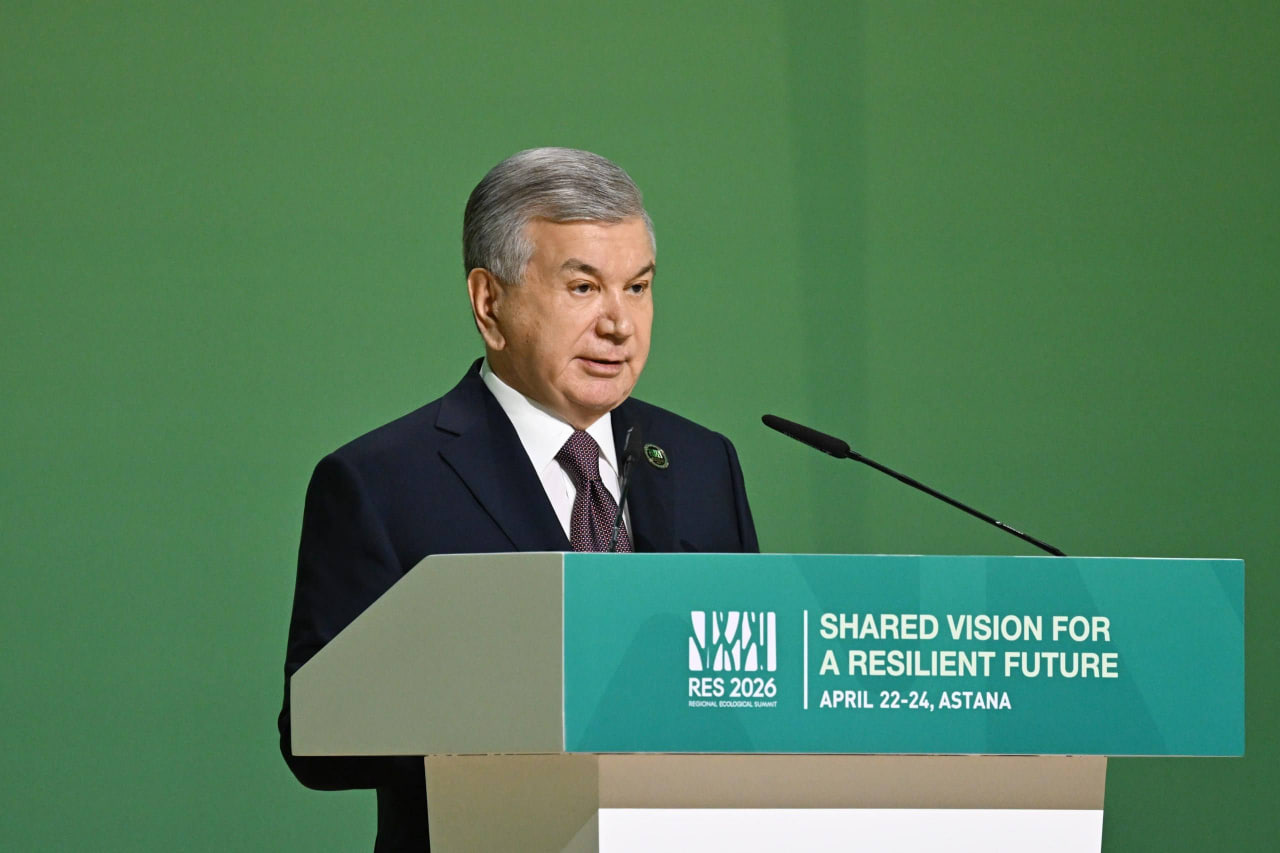
In his speech, the President of Uzbekistan noted that today’s environmental problems cannot be considered without global climate changes.
“Global warming continues to accelerate, and the temperature in the Central Asian region is rising twice as fast. About a third of the region’s glaciers have disappeared, precipitation patterns are unstable, and water resources are increasingly scarce. 80 million hectares of land have already been degraded,” he said Shavkat Mirziyoyev.
The head of state lists the things Uzbekistan is doing to alleviate environmental problems.
Almost 1 billion trees and shrubs were planted within the framework of the “Green Space” project. In the dry bottom of the Aral Sea, forests are being established on an area of more than 2 million hectares, and new “green belts” are being created. On our initiative, the resolution of the UN General Assembly “Decade of Actions on Afforestation and Forest Restoration” was adopted. – said the leader of Uzbekistan.
In addition, large-scale water conservation efforts are saving 10 billion cubic meters of water per year. The share of “green” energy in the generation capacity of our country has already reached 30%, and by the end of 2030 it will exceed 50%.
Shavkat Mirziyoyev put forward a number of initiatives to solve climate and ecological problems in the region:
- establishment of the interstate consortium “Clean Air of Central Asia” in the context of deteriorating air quality;
- giving regional status to the Center for Combating Desertification, Drought Prevention, and Early Warning of Sand and Dust Storms;
- formation of “Central Asian Green Trade Corridor”, which provides for preferential customs procedures and mutual recognition of certificates for eco-products to accelerate technological transition processes;
- Creating a single investment portfolio of Central Asian climate projects;
- Development of “Red Book of Central Asia” for conservation of biological diversity;
- Creating a single regional atlas of environmental changes in Central Asia.
“The level of Issykkol dropped by almost 14 meters”
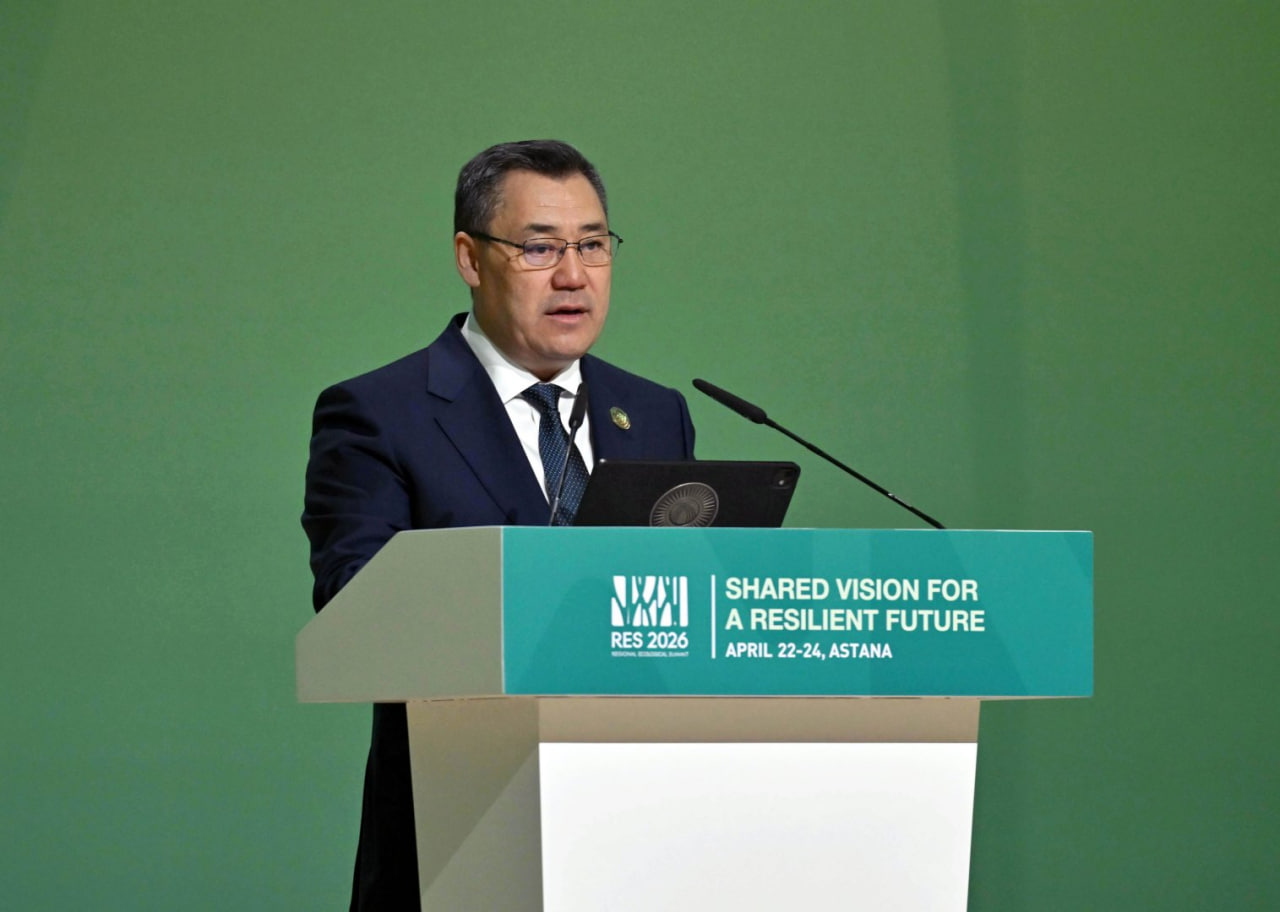
Kyrgyz President Sadir Japarov emphasized that climate change has exacerbated existing problems in the field of water resources and energy in the region and the world.
“Kyrgyzstan accounts for only 0.03 percent of global greenhouse gas emissions. Nevertheless, our country bears a disproportionately large burden of the consequences of climate change. – said Sadir Japarov.
The head of Kyrgyzstan explained it with the following numbers:
- Since 2020, the number of emergency situations such as floods and floods has tripled, with direct material damage amounting to approximately 16 million dollars per year;
- The area of glaciers in Kyrgyzstan decreased by 16%;
- according to forecasts, up to 80 percent of the country’s glaciers may disappear by 2100;
- In recent decades, the level of Issyk-Kul has decreased by almost 14 meters, the number of rivers flowing into the lake has decreased from one hundred to thirty;
- Since 1968, the number of glacial lakes in the high mountains has increased by 30 percent.
Japarov said that the country spends a lot of money to maintain water infrastructure, but neighboring countries do not offer compensation in the form of fossil fuels.
“The volume of annual total water resources formed in the territory of Kyrgyzstan is estimated at approximately 50 billion cubic meters. Of this, our country uses only 12 billion cubic meters of water for its needs, and the remaining 38 billion cubic meters flows to neighboring countries. We understand that the water resources formed in Kyrgyzstan are of great importance in ensuring the agriculture, energy, food and socio-economic security of Central Asian countries. Therefore, for decades, we have been maintaining the previous water distribution limits, providing water collection and discharge services, ensuring the maintenance and safety of hydrotechnical facilities, and taking measures to protect against emergency situations. Over the past year, we allocated nearly 80 million dollars to the water sector. Over the past five years, 259 million dollars have been allocated to this direction from the state budget, which is 2% of the country’s annual budget. However, these funds are not enough to modernize the outdated infrastructure and create an effective, modern system.” – said the president of Kyrgyzstan.
Japarov suggested introducing a mutually beneficial economic system in the water and energy sector in the region.
“All the work we are doing is essentially aimed at providing ecosystem services, which need to be supported and co-financed by all water users. It is clear that it is not easy for the countries of the region to reach a single agreement, but we need to find a balance of interests, as well as by gradually introducing effective economic tools into the mechanisms of distribution of water and energy resources in the region, and develop mutually acceptable solutions based on a comprehensive approach.he said.
“The Aral Sea is still a reminder of the consequences of wrong policies”
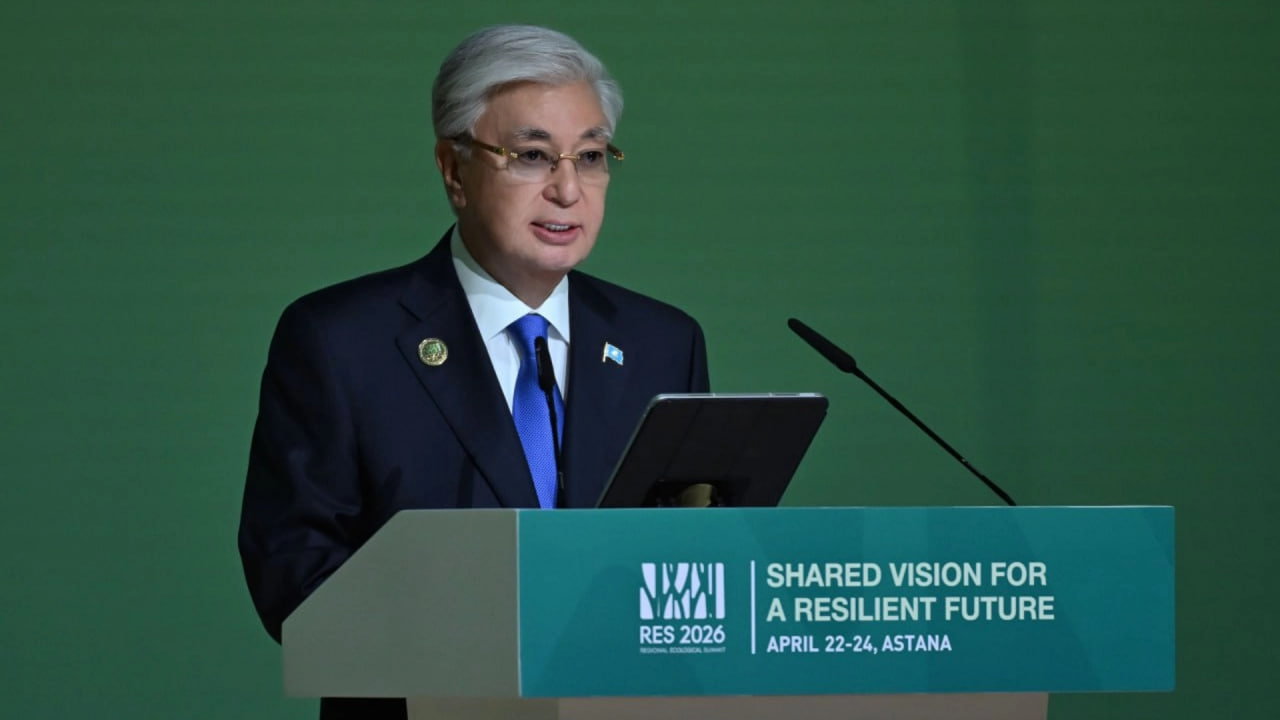
The President of Kazakhstan, Kasim-Jomart Tokayev, emphasized that a selective approach is a completely inappropriate approach to the issue of ecology.
“In many cases, the environmental agenda is formed without sufficient consideration of the development needs of different regions and countries. This is especially true of developing countries that are still busy strengthening their economic potential. However, developed countries have achieved today’s environmental standards as a result of a long process of industrialization. Therefore, the global transition to more environmentally friendly models needs to be fair, balanced and encouraging.he said.
The President of Kazakhstan said that Central Asia and neighboring regions are facing the following common environmental problems:
- water scarcity and inefficient management of water resources;
- desertification;
- melting of glaciers;
- air pollution;
- weakening of biological diversity.
“Currently, the share of renewable energy sources in the total volume of electricity produced in the country has exceeded 7 percent. By 2030, this indicator is expected to be higher than 15 percent. While we remain a major producer of oil and gas, we are committed to sustainable energy goals. As one of the world’s leading uranium exporters, Kazakhstan also supports the development of carbon-free electricity. At the moment, we are developing a construction project for our first nuclear power plant, and at the same time, we are modernizing coal power plants based on “clean coal” technologies. In this regard, it is expected that emissions from large energy facilities will decrease by about 35 percent.”Tokayev said.
The head of Kazakhstan also spoke about the progress achieved in the Aral Sea in recent years.
“The Aral Sea is still a reminder of the consequences of wrong policies. At the same time, it also demonstrates what can be achieved through rigorous and science-based measures. Today, we have restored about 36 percent of the North Island – improving water quality, increasing fish stocks and improving the standard of living of the people.”he said.
“More than 1,300 out of 14,000 glaciers have already completely melted.”
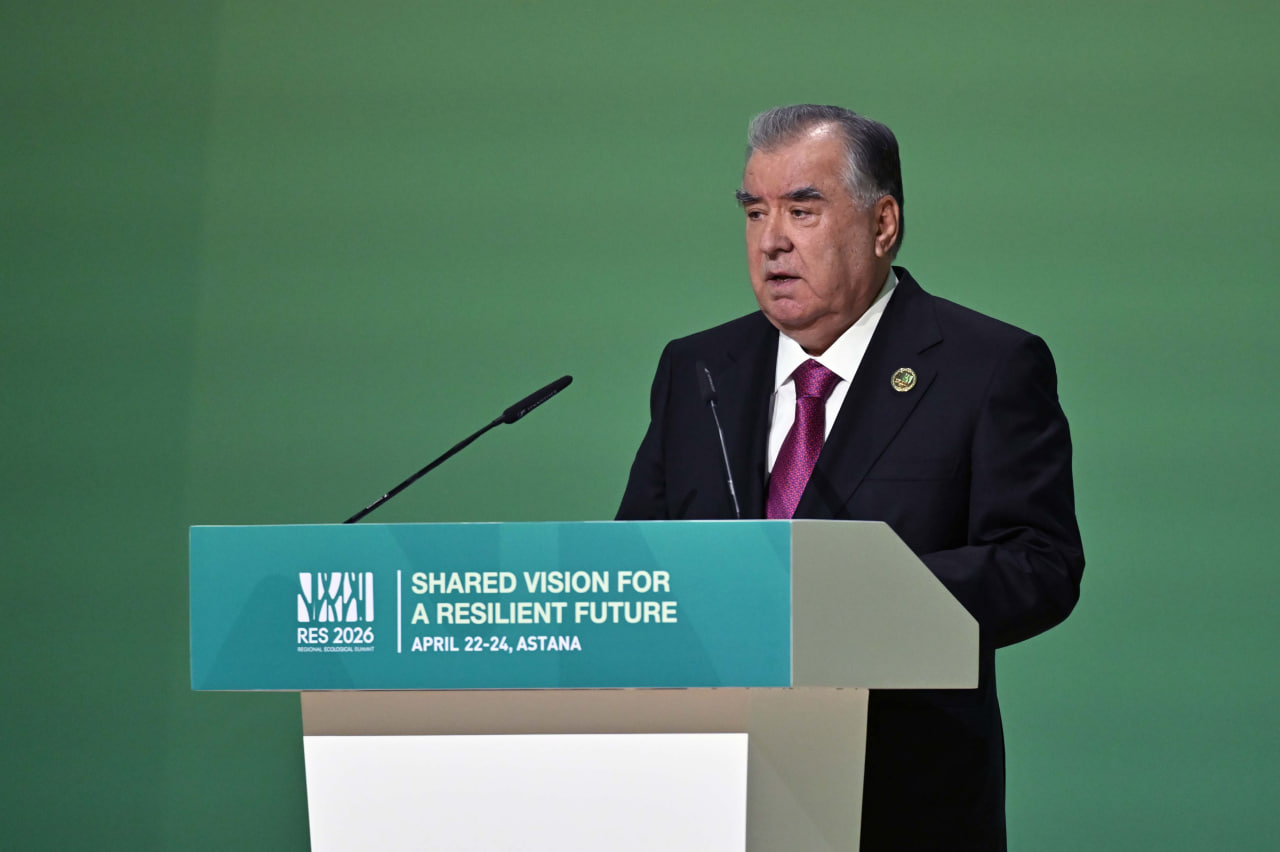
President of Tajikistan Imamali Rahmon also spoke about the environmental situation in the region and Tajikistan.
“Climate and water issues require joint solutions. The region is experiencing rapid melting of glaciers, degradation of ecosystems, and an increasing number of natural disasters. Climate change and increased water consumption are increasing the pressure on resources. In this regard, it is necessary to establish an interstate energy commission and accelerate the introduction of water and energy-saving technologies.”he said.
According to the head of Tajikistan, more than 1300 out of 14 thousand glaciers in the country have already melted. This process is accelerating, as a result of which the water balance is disturbed and the risk of natural disasters is increasing throughout the region.
“It is known that up to 60 percent of Central Asia’s water resources are formed in the territory of our country. This shows the important role of mountain ecosystems of Tajikistan in the water supply and sustainable development of the region. From this point of view, the rapid melting of glaciers and the reduction of snow reserves are causing serious concern.” Rahman said.
“Special attention should be paid to the issue of rational and fair use of water”
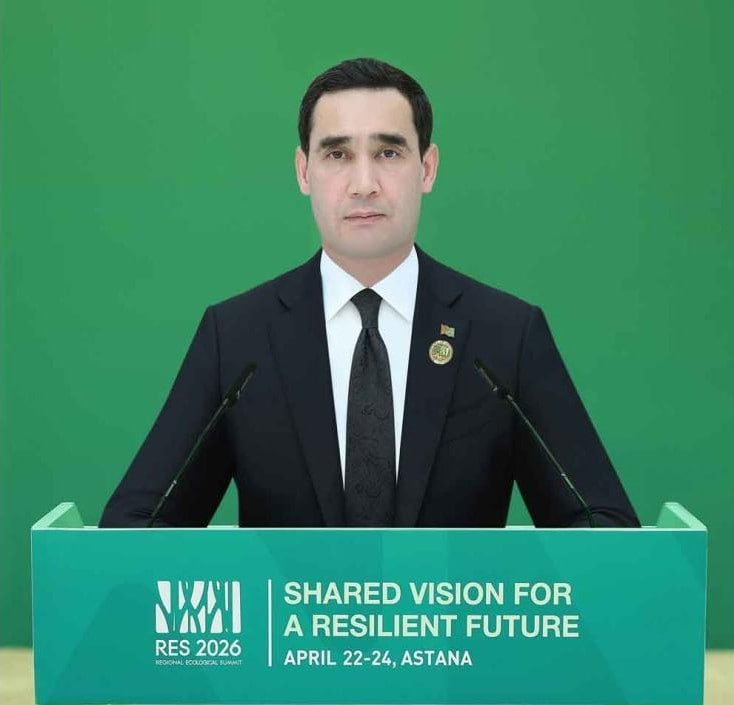
The President of Turkmenistan, Serdar Berdimuhamedov, emphasized the rational and fair use of cross-border water resources. He emphasized that water issues should be resolved based on the following three main principles:
- strict adherence to the main conventions and other international documents on water issues;
- equal consideration of the interests of all countries located on the banks of transboundary rivers;
- ensuring wide participation of international organizations, first of all, the UN.
“Turkmenistan took the initiative to establish a Regional Council on Water Use for Central Asian countries under the auspices of the UN. This structure will become an effective platform for coordinating efforts in the water sector,” said Berdimuhamedov.