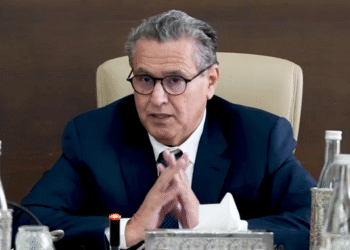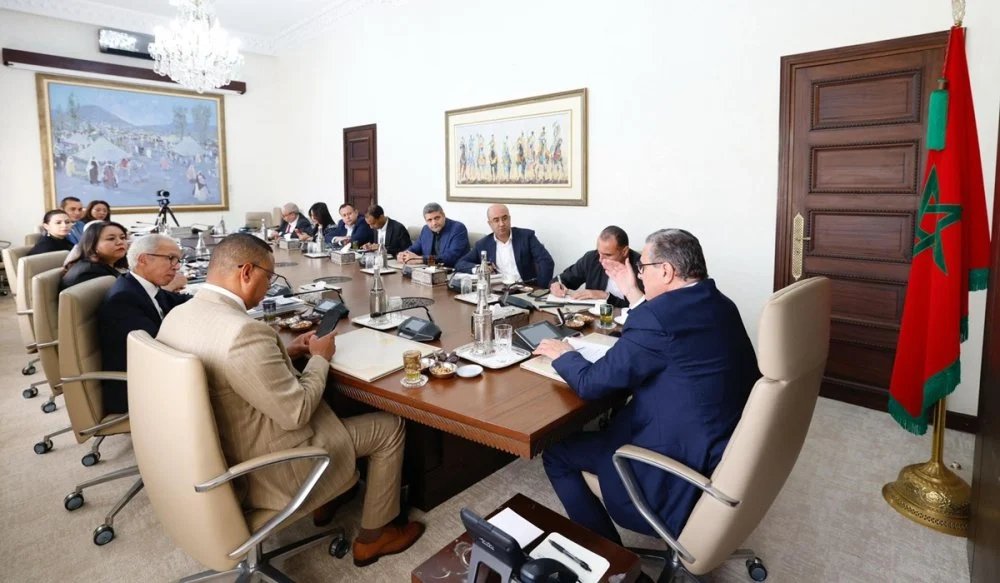
While recalling the difficulties encountered by the Executive from his inauguration, starting with the Covid-19 pandemic, the effects of the war in Ukraine on prices, the years of drought, the 2023 earthquake and recent floods, Mr. Akhannouch stressed that the government had nevertheless managed to stay the course. He thus highlighted a growth rate of 5% in 2025, the country’s external rating which regains its “investment grade», and with all his optimism, he gave a glimpse of the promising prospects of a good agricultural year.
In the fight against unemployment, Mr. Akhannouch focused on the 850,000 jobs created during his 2021-2025 mandate, brushing aside criticism from the opposition, but nevertheless recognizing that job losses in rural areas (500,000 over the same period) weighed in the balance. And as if to support his remarks, he wondered why construction companies and farms are complaining about the lack of labor at a time when we are talking about an unemployment rate of 13%! The Head of Government went further in his reasoning, specifying that social aid would have created a perverse effect, to the extent that certain beneficiaries would declare themselves unemployed in order not to lose the right to this aid.
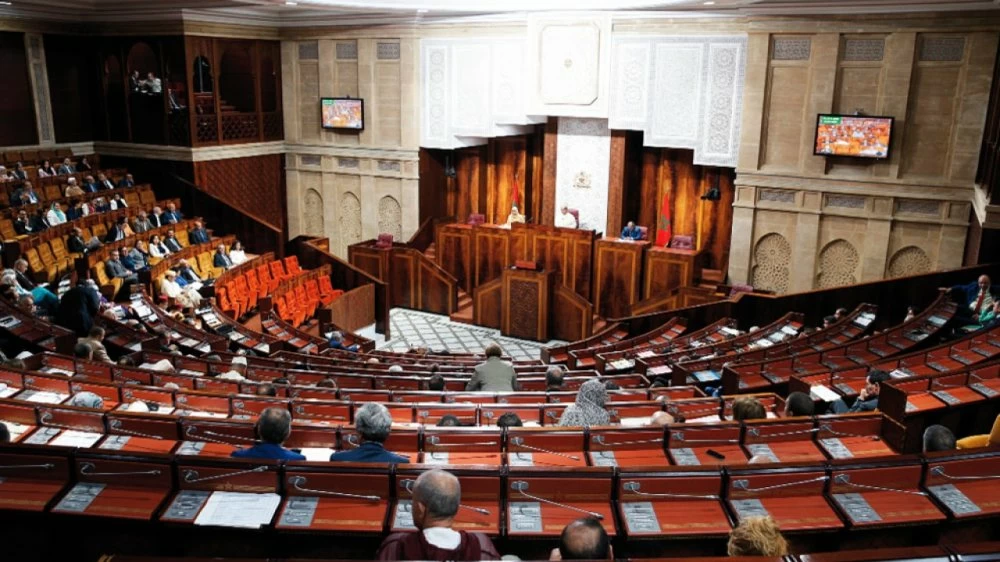

Addressing the issue of the high cost of fuel pricehe ruled out the option of reduction in VAT and ICT on oil imports and its derivatives, recalling that the balance of the State budget justified this decision. Especially, according to him, that the government is making a considerable financial effort to implement the generalization of AMO, the distribution of aid to more than 4 million families (12 to 13 million people), the subsidization of electricity prices and compensation for butane gas, sugar and flour. For him, the assumed choice of targeting the transporters of people and goods with direct aid makes it possible to curb any increase in passenger tickets or the transport of goods.
Returning to social dialogue, Mr. Akhannouch indicated that this could not be reduced to salary increases every year! On the other hand, specific measures such as reducing the working day of security agents to 8 hours instead of 12 or increasing the salaries of certain civil servants such as engineers (in progress), will be taken, he promised.
Responding to a question on a possible revaluation of retirement pensions, Mr. Akhannouch conceded the complexity of this project “at a time when the sustainability of pension funds is threatened”. Moreover, he added, for the reform of the retirement system, the ball is in the court of the unions who received the study and the government’s proposals and who asked for time to examine them. According to Mr. Akhannouch, the matter could be dealt with at the beginning of the summer if they submitted their comments, otherwise “it will be up to the next government to carry out this reform”.
Ultimately, Mr. Akhannouch, while welcoming the cohesion of his majority, did not fail to recall that both the IMF, the World Bank and the OECD had congratulated the Kingdom for its judicious economic choices. For him, the future will do justice to his government.