
On Thursday, the Association for Old Hungarian Grape Varieties is hosting a large-scale wine tasting in the auditorium of Budapest’s St. Angela Franciscan Secondary School, featuring wines made from grape varieties that were still widespread before the end of the 19th century but are hardly known today.
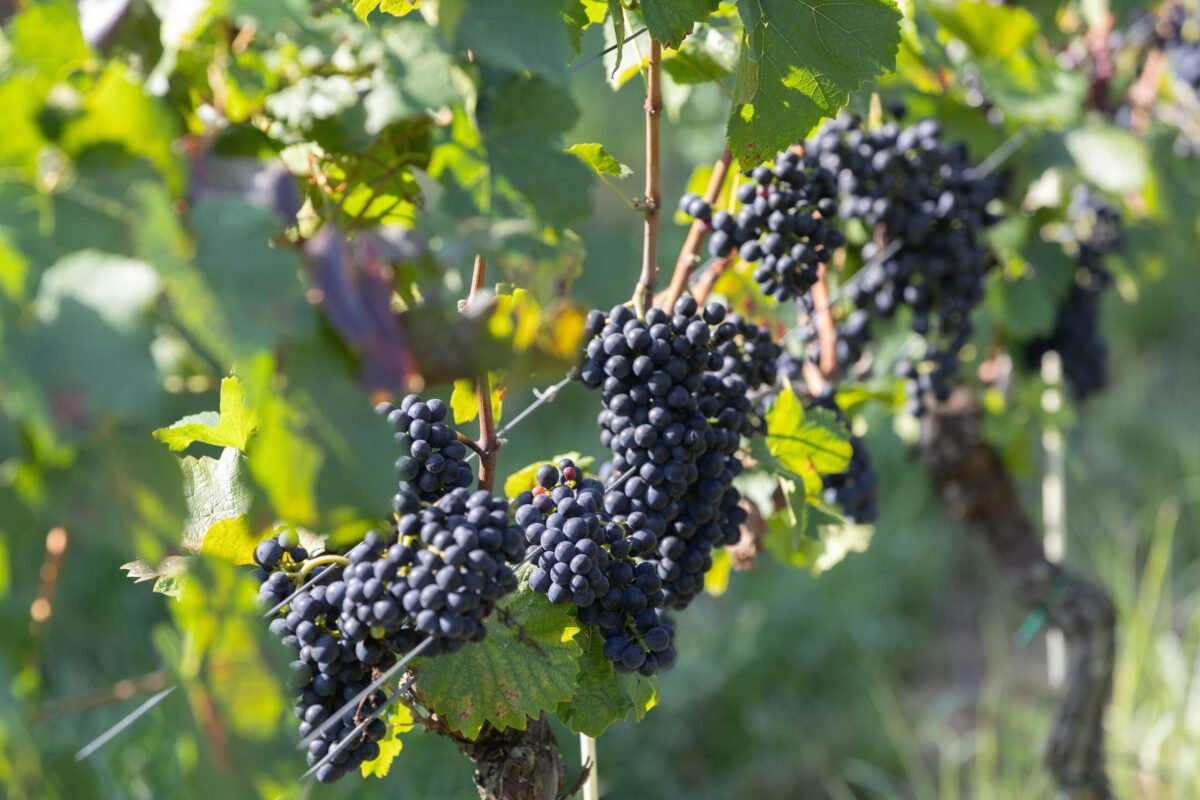
At this major wine tasting, visitors will once again have the opportunity to sample wines from more than twenty wineries in the Carpathian Basin and discover grape varieties such as Csókaszőlő, Laska, Tihanyi Kék, Góhér, Lisztes, and Bakator, according to the organizers.
The varieties, which had died out at the end of the 19th century during the phylloxera plague and were then replanted in the early 2000s by winemaker József Szentesi,
have been cultivated by some thirty to forty winegrowers for several years now; today, promising wines are being produced from grape varieties whose names are still unknown to many.
These old grape varieties are enriching the selection in more and more parts of the country, for example in the Balaton wine region, the Mátra Mountains, and the Bükk Mountains. Although they are not yet widely available, Csókaszőlő, Laska, Góhér, and Bakator are already appearing on the menus of several restaurants and at wine merchants, and inquiries and orders are even coming in from foreign dealers, the organizers reported.
At the large wine tasting on Thursday, more than twenty winemakers will present their wines, offering an opportunity to compare how the terroir (growing region) affects the individual grape varieties, which wines are made from varieties that many are already working with, or how wines made from such rarities—found in only one or two vineyards—taste.
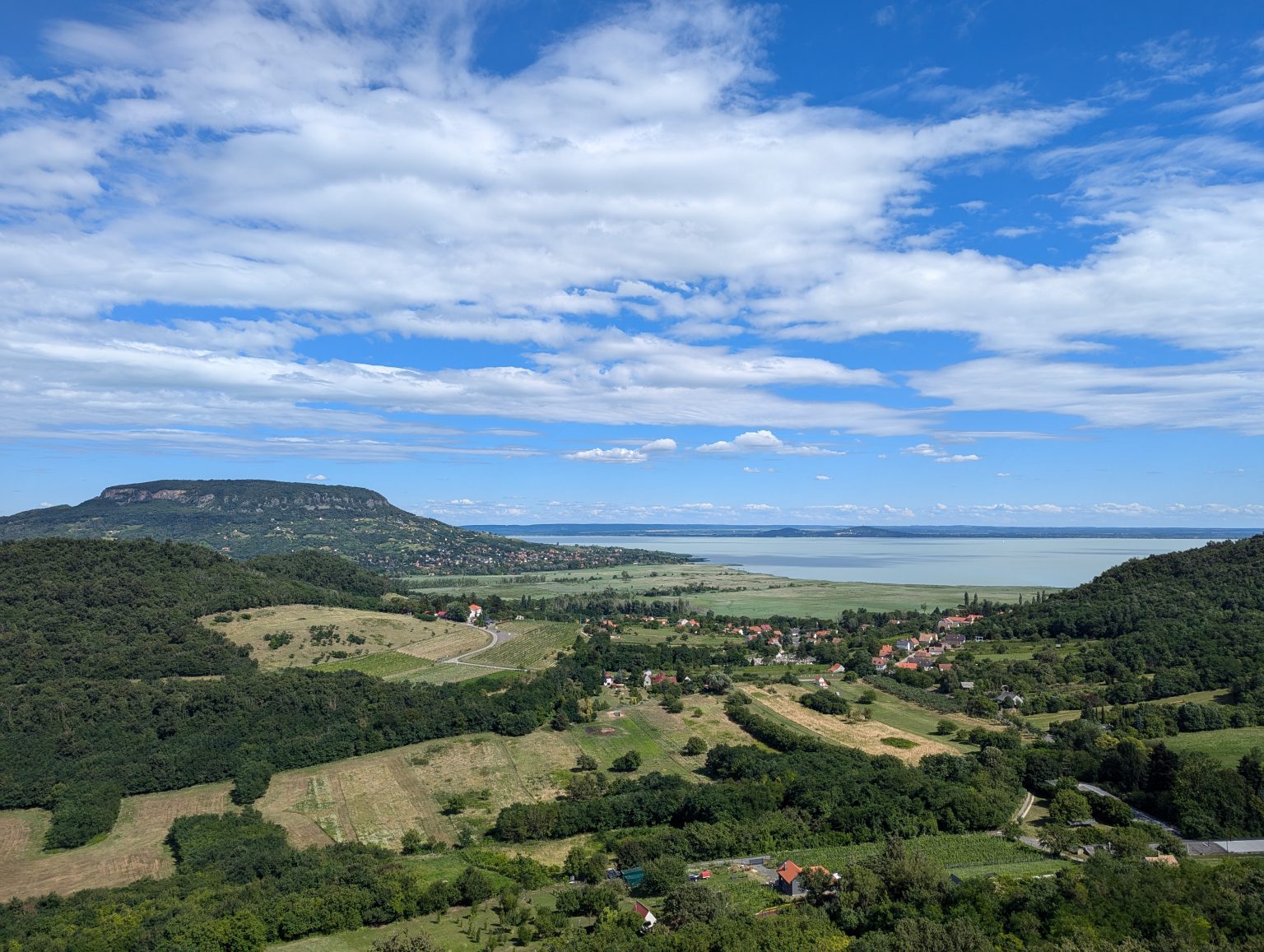
Via MTI; Featured image: MTI/Kocsis Zoltán