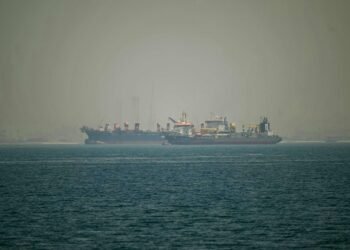
German Chancellor Friedrich Merz has criticised the United States over its handling of the war with Iran, as Washington reviews a new proposal from Tehran aimed at ending the illegal war and reopening the Strait of Hormuz.
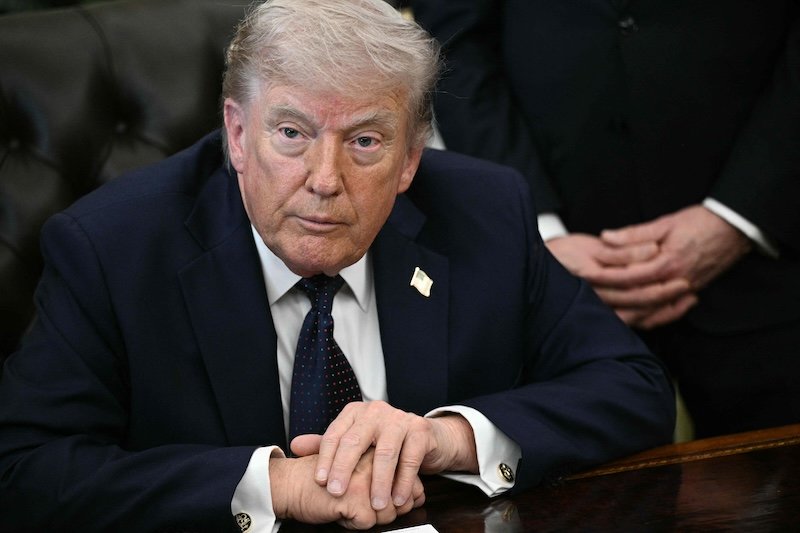
The proposal, now under discussion by President Donald Trump’s national security team, seeks a ceasefire and restoration of shipping routes before any talks on Iran’s nuclear programme. US officials said Trump is dissatisfied with the plan.
Speaking in Germany, Merz said the United States was being outmanoeuvred in the talks. “The Iranians are obviously very skilled at negotiating, or rather, very skilful at not negotiating,” he said. He added that the situation had left the US “humiliated” by Iran’s leadership.
In separate remarks, Merz said he was “disillusioned” with both the US and Israel, noting that early claims the conflict would be resolved within days had not materialised. He said Europe must develop its own approach while continuing coordination with Washington.
The Iranian proposal outlines a staged process. Tehran has called for an end to hostilities and guarantees against further attacks before addressing issues such as its nuclear programme and regional influence. Iranian officials have also demanded the lifting of a US naval blockade that has restricted access to key ports.
US officials said Washington wants nuclear questions addressed at the outset. A senior official told Reuters that delaying the issue would remove leverage in negotiations. The White House said its “red lines” remain unchanged.
Iran’s Foreign Minister Abbas Araghchi has travelled between regional capitals and met Russian President Vladimir Putin, seeking support and exploring alternative trade routes as the blockade disrupts exports.
While diplomatic efforts continue, fighting has persisted in Lebanon despite a ceasefire agreed earlier this month. Lebanon’s health ministry said Israeli strikes on Sunday killed 14 people, including two children, and injured dozens.
The Israeli military claims it targeted Hezbollah positions and infrastructure in southern Lebanon, but the deadly attacks have included civilians and a Lebanese journalist, Amal Khalil.
Prime Minister Benjamin Netanyahu said the military is acting with force under the terms of the ceasefire. “This means freedom of action… to thwart immediate threats and also to neutralise emerging threats,” he said.
The UN has reported that Israel’s deliberate targeting of medical personnel and other civilians, including journalists, would amount to a war crime.
On April 22, 2026, Amal Khalil, a reporter for the newspaper Al-Akhbar was reporting on the aftermath of nearby attacks near the village of Al-Tayri when an Israeli strike hit her vehicle, forcing her and her colleague, photojournalist Zeinab Faraj, to take shelter in a nearby house.
Circumstances of the Incident
The house where the journalists sought refuge was subsequently targeted by an Israeli strike, causing it to collapse and trapping both women under the rubble. While rescuers managed to extract Faraj, who sustained serious injuries, efforts to reach Khalil were significantly delayed. Lebanese authorities, press advocacy groups, and witnesses reported that Israeli forces obstructed rescue attempts by firing at the site and at arriving Red Cross ambulances.
HT