The decision to dispense with electoral ink did not come overnight
– The year 2027 is an election year… and everyone must participate in making the electoral dates a success
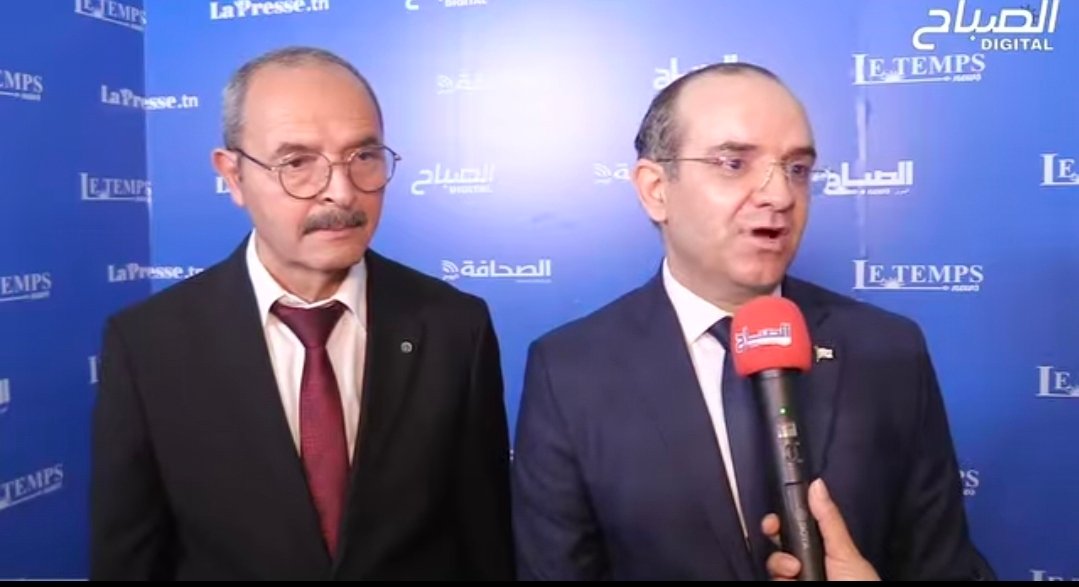
The head of the Independent High Authority for Elections, Farouk Bouaskar, stated that the goal of the authority’s first participation in the Tunis International Book Fair demonstration is “to engage all segments of Tunisian society, including children, youth, women, and the elderly.”
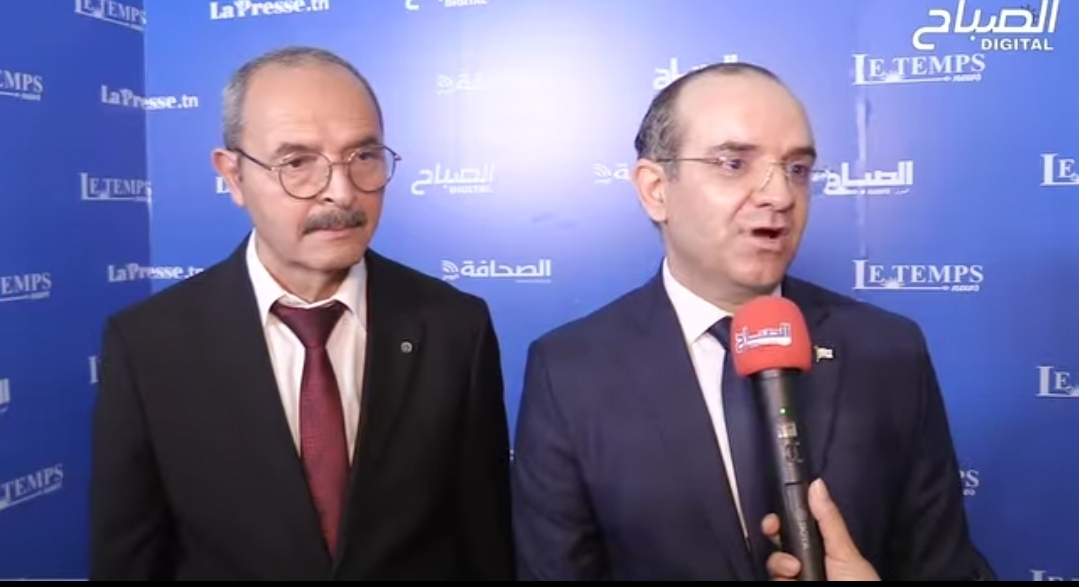
He added in a statement to “Al-Sabah News”, on Tuesday, during his visit to the pavilion of Dar Al-Sabah and “Sene Lapras” at the book fair, that he had recorded great interest in the Electoral Commission’s pavilion from Tunisian families, noting that the Commission’s pavilion at the exhibition combines electoral documentation and digitization of electoral material.
He recalled that the Election Commission has had a great electoral legacy since 2011, which is particularly represented in electoral reports, training guides, and electoral texts, whether constitutional, legal, or regulatory texts. He added, “But what is new about elections is their openness to everything that modernizes and modernizes the electoral process, as in the Commission’s pavilion a digital panel was installed that allows Tunisian youth who use the most modern applications to be able to access electoral services by accessing various platforms, whether the Commission’s website or the electronic application.” Or even mobile phone services to carry out basic electoral services.”
Farouk Bouaskar expressed his hope that this first initiative will be established as a tradition that will continue in the coming years, with the support of the Ministry of Culture and the management of the Tunis International Book Fair, with the aim of introducing electoral culture and the culture of participation in public affairs with the basic concepts of the electoral process.
Classic election dates
Regarding the work of the Commission, Farouk Bouaskar stressed that the Commission’s work for elections is not interrupted and is not a seasonal work, but rather periodic, because with the issuance of the 2022 Constitution and the recent elections at the local, regional and regional levels, which require renewing the composition of the local, regional and regional councils, in addition to the classic electoral dates that everyone knows, which are of course national dates such as the presidential and legislative elections, as well as the municipal elections programmed in the short term, stressing that the Election Commission is ready to organize them in the best conditions as well. The Tunisian voter is accustomed to only waiting for the issuance of some legal texts regulating the process, such as the basic law for municipal councils.
2027 will be an election year
In a related context, Bouaskar announced that the year 2027 will be an electoral year that will witness the organization of legislative elections, calling on citizens to participate in the success of the electoral dates. He said that the role of the Commission is to make the electoral dates a success, but there are other institutions and sensibilities in Tunisian society that must engage in this effort to raise, especially in participation rates, which is considered the most important challenge for elections, as all electoral bodies in the world are working to raise participation rates, especially the participation rates of youth and women.
Farouk Bouaskar considered that this goal will be achieved by developing communication strategies over the medium and long term that take into account privacy, the development of societies, and the tendency of Tunisian youth towards means other than those classical, as Tunisian youth are more inclined to everything that is electronic or digital, adding that the authority works well and is open to comparative experiences and has concluded partnerships with major electoral institutions in the world, whether African, Arab or even European.
He said that electoral institutions and bodies have come to regard the Tunisian Election Authority as an example to be emulated.
Dispense with electoral ink
Bouaskar recalled a previous decision of the Commission, which was to dispense with electoral ink, and said that this decision was not made overnight, but rather was within the framework of a complete walk towards taking into account the reasons for the development of the electoral process and reaching a stage of accuracy.
He also expressed his hope to one day reach electronic or remote voting and dispense with electoral papers and electoral seclusion, which requires a long time.
Interviewed by: Abeer Trabelsi
The decision to dispense with electoral ink did not come overnight
– The year 2027 is an election year… and everyone must participate in making the electoral dates a success
The head of the Independent High Authority for Elections, Farouk Bouaskar, stated that the goal of the authority’s first participation in the Tunis International Book Fair demonstration is “to engage all segments of Tunisian society, including children, youth, women, and the elderly.”
He added in a statement to “Al-Sabah News”, on Tuesday, during his visit to the pavilion of Dar Al-Sabah and “Sene Lapras” at the book fair, that he had recorded great interest in the Electoral Commission’s pavilion from Tunisian families, noting that the Commission’s pavilion at the exhibition combines electoral documentation and digitization of electoral material.
He recalled that the Election Commission has had a great electoral legacy since 2011, which is particularly represented in electoral reports, training guides, and electoral texts, whether constitutional, legal, or regulatory texts. He added, “But what is new about elections is their openness to everything that modernizes and modernizes the electoral process, as in the Commission’s pavilion a digital panel was installed that allows Tunisian youth who use the most modern applications to be able to access electoral services by accessing various platforms, whether the Commission’s website or the electronic application.” Or even mobile phone services to carry out basic electoral services.”
Farouk Bouaskar expressed his hope that this first initiative will be established as a tradition that will continue in the coming years, with the support of the Ministry of Culture and the management of the Tunis International Book Fair, with the aim of introducing electoral culture and the culture of participation in public affairs with the basic concepts of the electoral process.
Classic election dates
Regarding the work of the Commission, Farouk Bouaskar stressed that the Commission’s work for elections is not interrupted and is not a seasonal work, but rather periodic, because with the issuance of the 2022 Constitution and the recent elections at the local, regional and regional levels, which require renewing the composition of the local, regional and regional councils, in addition to the classic electoral dates that everyone knows, which are of course national dates such as the presidential and legislative elections, as well as the municipal elections programmed in the short term, stressing that the Election Commission is ready to organize them in the best conditions as well. The Tunisian voter is accustomed to only waiting for the issuance of some legal texts regulating the process, such as the basic law for municipal councils.
2027 will be an election year
In a related context, Bouaskar announced that the year 2027 will be an electoral year that will witness the organization of legislative elections, calling on citizens to participate in the success of the electoral dates. He said that the role of the Commission is to make the electoral dates a success, but there are other institutions and sensibilities in Tunisian society that must engage in this effort to raise, especially in participation rates, which is considered the most important challenge for elections, as all electoral bodies in the world are working to raise participation rates, especially the participation rates of youth and women.
Farouk Bouaskar considered that this goal will be achieved by developing communication strategies over the medium and long term that take into account privacy, the development of societies, and the tendency of Tunisian youth towards means other than those classical, as Tunisian youth are more inclined to everything that is electronic or digital, adding that the authority works well and is open to comparative experiences and has concluded partnerships with major electoral institutions in the world, whether African, Arab or even European.
He said that electoral institutions and bodies have come to regard the Tunisian Election Authority as an example to be emulated.
Dispense with electoral ink
Bouaskar recalled a previous decision of the Commission, which was to dispense with electoral ink, and said that this decision was not made overnight, but rather was within the framework of a complete walk towards taking into account the reasons for the development of the electoral process and reaching a stage of accuracy.
He also expressed his hope to one day reach electronic or remote voting and dispense with electoral papers and electoral seclusion, which requires a long time.
Interviewed by: Abeer Trabelsi