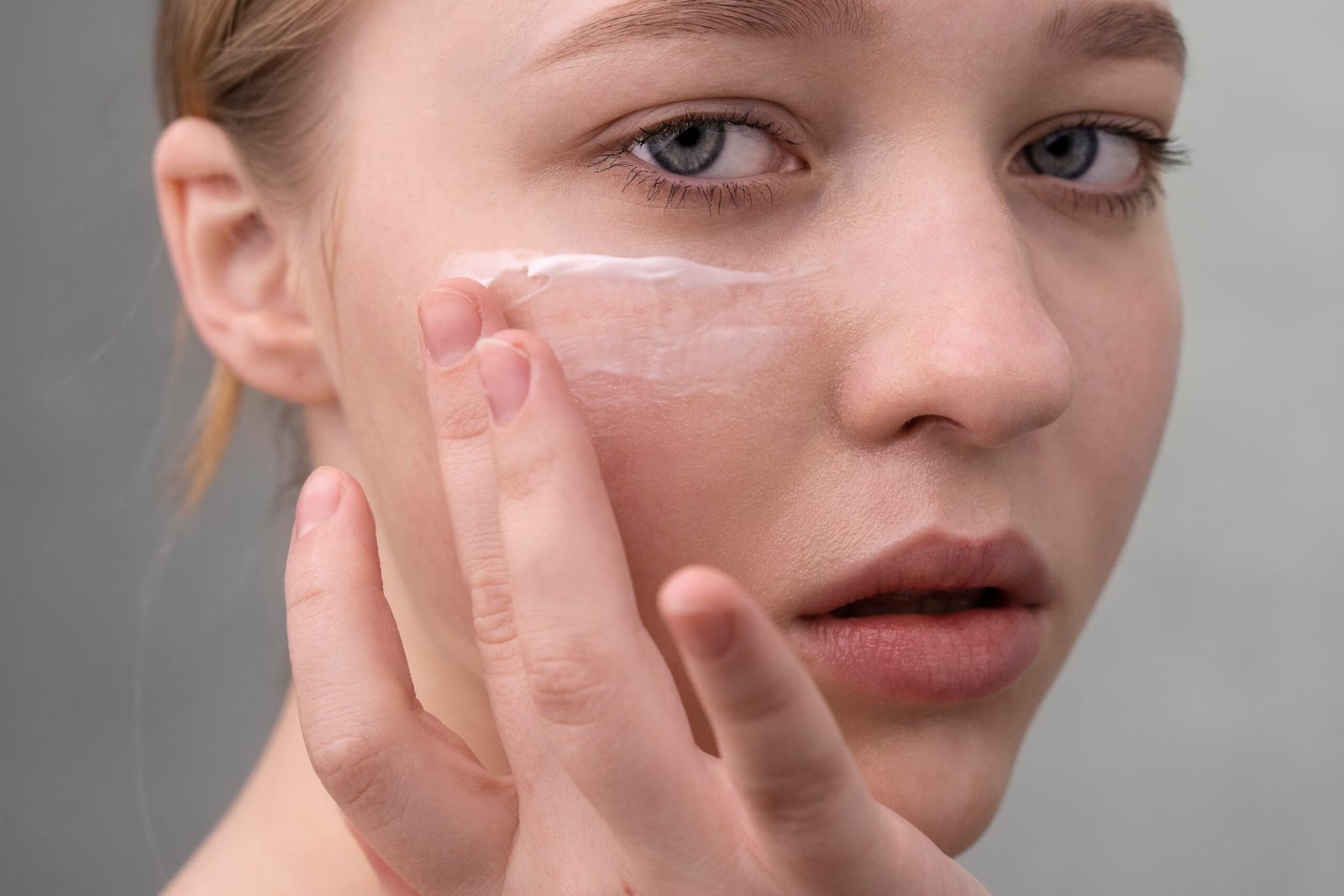
The pores Clogged skin is one of the most common skin problems, causing it to look dull, acquire an irregular texture, and even make it vulnerable to acne breakouts.
Keeping them clean not only improves their appearance, but also serves to prevent conditions such as folliculitis, sebaceous cysts and comedones. Today we tell you how to achieve it.

Pores look larger when they are clogged by dirt, oil, or dead cells. Photo: Unsplash
Read also Jesús de la Garsa presents collection inspired by Magnum palette
According to an article by Medicover Hospitals, pores They are responsible for releasing natural oils and sweat, helping to keep the skin fresh, hydrated and free of certain toxins that accumulate in the body.
However, when they are blocked by the accumulation of oil, dirt, dead cells or bacteria, they cause signs such as the appearance of blackheads, whiteheads and even acne breakouts. Mainly, this happens in areas such as around the nose, forehead and chin.
In addition, dermatology experts at La Roche-Posay point out that oily and combination skin is more likely to present pores clogged, due to the greater activity of the sebaceous glands.
Thus, excess sebum, combined with impurities and dead cells, causes these small holes to become clogged.
According to specialists, there are other factors that influence this problem such as genetics, aging, climate and the use of inappropriate products for each skin type: for example, using greasy products on oily skin, or using too buttery products on dry skin.
The pores Clogged skin is a natural and inevitable characteristic, but it can be minimized with an appropriate skincare routine.

If you don’t clean your face properly, the pores become clogged. Photo: Unsplash
Daily cleansing, both in the morning and at night, is essential to avoid clogged pores.
The dermatological brand Eucerin recommends the use of facial steam to complete the skincare routine.
It is a simple trick and only involves placing your face over a bowl of hot water for approximately 10 minutes, at a safe distance to avoid burns.
This helps open the pores since the dirt finishes coming out. After the process, it is important to properly cleanse your face.
When starting your routine, the Nivea blog recommends using a cleansing gel formulated for skin prone to blemishes, since it usually contains ingredients such as salicylic acid, sea salt or niacinamide.
Together, these compounds can remove excess grease and clean the pores without drying the skin.
If you wear makeup, your first step should be to remove it with micellar water, a product that removes impurities from the environment, sunscreen and other residues accumulated during the day.
The second tip is to exfoliate, with a frequency of 1 to 2 times a week and always at night.
To do this, rely on physical exfoliants (with small particles that produce slight friction on the skin) or chemical exfoliants (whose action is similar to that of a peel).
Both serve to eliminate dead cells that clog the pores.
And as a third tip, skin prone to clogged pores needs hydration, but with a light and non-comedogenic texture.
Gels, fluids or serums with ingredients such as hyaluronic acid, niacinamide, glycerin or light ceramides are ideal, as they hydrate without clogging pores.
Likewise, it is important that the products are “oil-free” and that they do not have very dense textures or heavy oils because they can worsen comedones.

Oil-free products are suitable for skin prone to comedones. Photo: Freepik
Finally, maintaining habits such as sleeping between 7 and 8 hours, reducing stress, avoiding alcohol or cigarette consumption, and drinking enough water per day (about 2 liters) can help reduce obstruction of the pores.
With these recommendations, it is possible to improve the health of the skin from the inside to the outside.
Read also Uses of chamomile in beauty
Receive Hello Weekend every Friday, our newsletter with the latest in gastronomy, travel, technology, cars, fashion and beauty. Subscribe here: https://www.eluniversal.com.mx/newsletters/