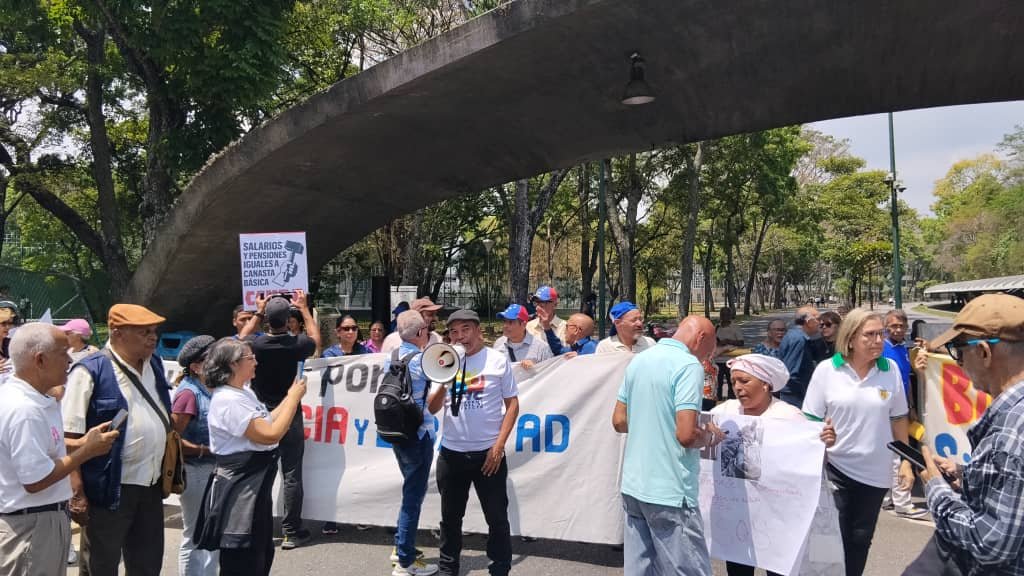
The main public universities in Venezuela woke up this Wednesday under a total cessation of academic and administrative activities. The call from the Federation of Associations of University Professors of Venezuela (Fapuv) and the Association of UCV Professors (Apucv) was echoed throughout the national territory, with the exception of the University of Carabobo, whose board of directors desisted from joining the strike.
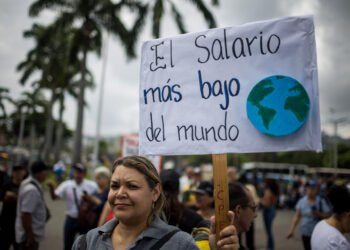
Teachers denounce that the minimum wage, stagnant at 130 bolivars since March 2022, condemns the academy to definitive collapse.
José Gregorio Afonso, president of the Apucv, reported at least 90% compliance with the strike throughout the country. The teacher stated that at the UCV all activities were paralyzed.
«Across the country, the report is the same. Teacher assemblies and general compliance. We do not want this, we know that it is not the way, but the circumstance forces us; “Everything depends on the Government, whether this could be different and whether the salary is set on May 1 as required by the Constitution,” he added.
Afonso pointed out that other sectors, such as health, also held assemblies to plan more protest and protest actions.
Caracas: The clamor in the UCV
In the capital city, the Central University of Venezuela (UCV) led the day. The university workers closed several entrances to the university and loudly expressed their demands.
The Ucevista community points out that the monthly income of an exclusive teacher is barely enough for a few days of food. Union leaders reject bonuses without salary impact and demand that any adjustment be reflected in the official remuneration tables.
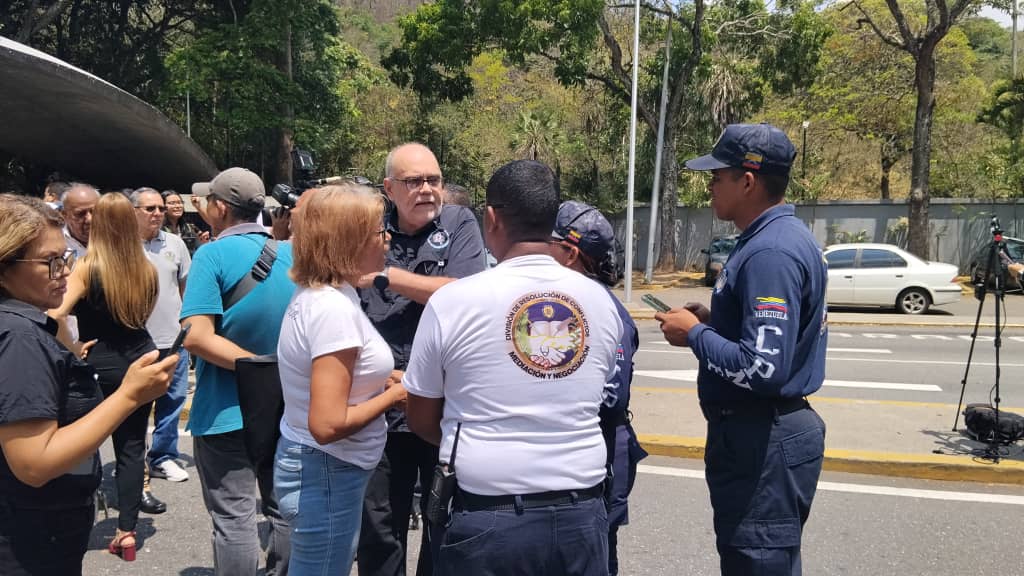
The regions: Resistance in the interior
The panorama in the states reflects an even more critical reality. In the region of Guianathe unions denounced that the budget of the institutions barely covers 7% of operating expenses. Teachers in the area point out that they practically “pay to work”, since they pay for transportation out of their own pockets in the absence of university routes and poverty wages.
In it Westthe University of Zulia (LUZ) and the University of Los Andes (ULA) reported high compliance with the strike. From these institutions, the deans warn about the massive flight of human talent to other countries. Students from these regions joined the protests to demand improvements in scholarships and an end to academic persecution.
In the Plainsuniversities such as Unellez approved the 24-hour stoppage in an inter-union assembly. The workers stressed that the basic family basket exceeds 600 dollars, a figure unattainable for any employee in the public education sector under current conditions.
A system in emergency
The Universities Observatory describes the situation as an “educational humanitarian emergency.” While the central government announces increases in oil revenues for 2026, transfers to national universities suffered a real reduction of 36%.
Today is a warning. The unions assure that, if there is no solution before May 1, the conflict in the study houses will escalate towards greater pressure measures. The goal is clear: rescue the dignity of the teacher and guarantee the future of higher education in Venezuela.