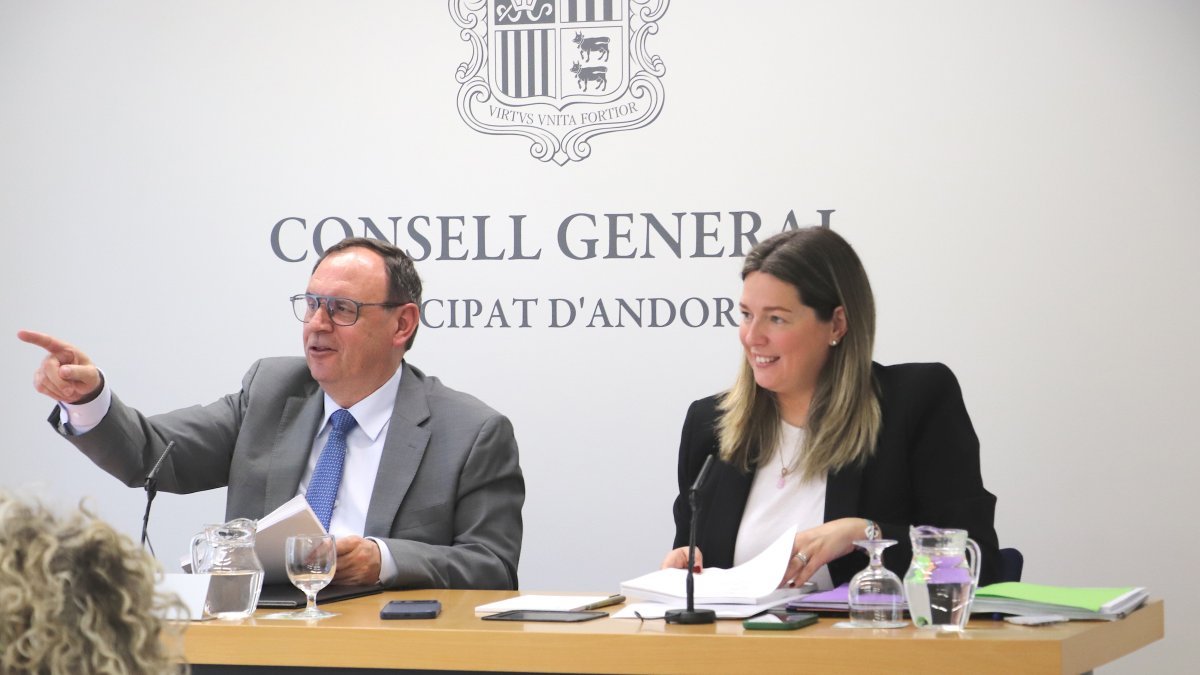

The Property Registry is starting to take shape, but its rollout will be long and “a 10-year horizon to have all the country’s real estate property registered” is foreseen. They explained it the president of the democratic parliamentary group, Jordi Jordana, together with Maria Martisella, at the press conference yesterday to present the bill that the group has entered into parliamentary procedure.
The deployment over the course of a decade is a common – or even optimistic – term, according to the experts consulted by Democrats, who have warned that countries that have had to create a registry from scratch, as in the case of Andorra, may take even longer.
Registering a property worth 600,000 euros could cost around 600 euros
The first steps, however, will come much earlier. It is expected that the law will be approved during this legislature and the registry could become operational within one to two years. Registration will be mandatory, but with a progressive application: it will initially affect built-up estates on which operations are formalized before a notary, such as sales or mortgages. The rest of the properties will be incorporated gradually until the registration is completed in approximately ten years. Undeveloped land will be exempt as long as it is not the subject of transactions.
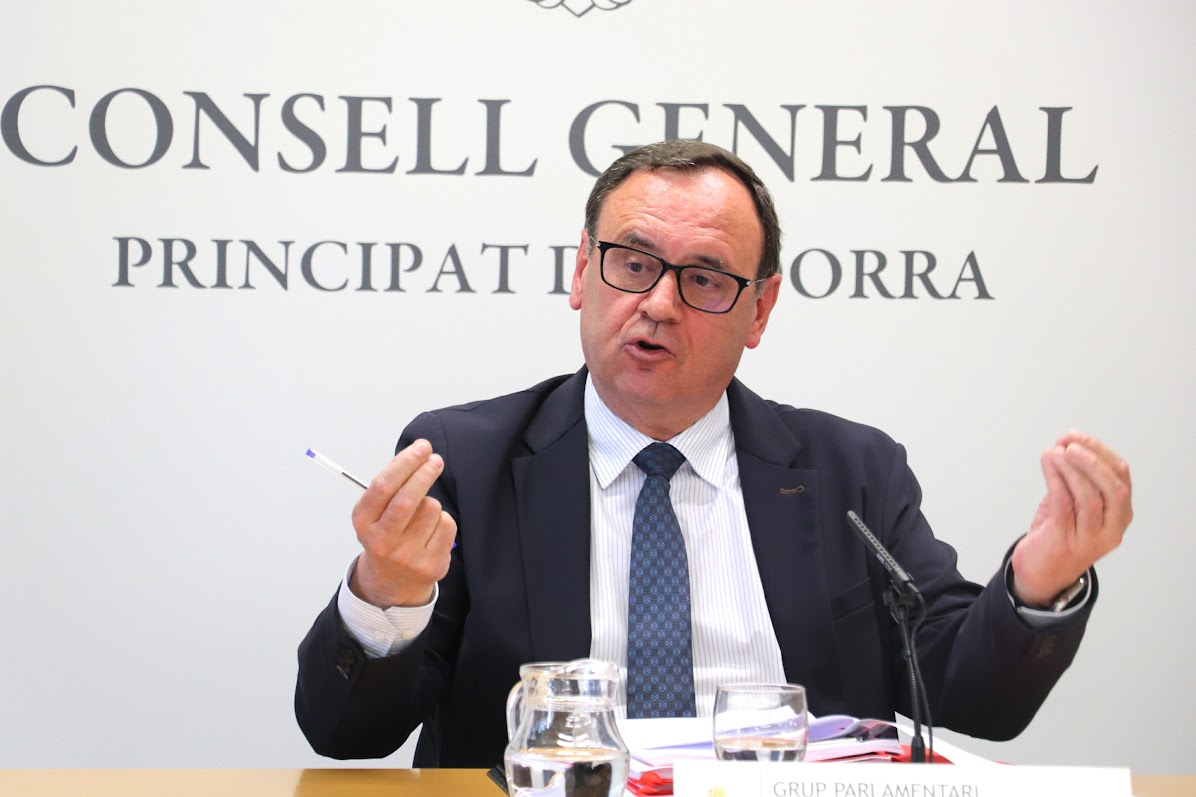
The record will be public, but with limitations. Access will remain restricted to individuals who prove a legitimate patrimonial interestwhile institutions such as courts and the Prosecutor’s Office will be able to access it freely. The administrations can also do it, but always in a justified way. In private cases, such as disputes over the ownership of a home or doubts about who should pay the rent, access to the information may be authorized.
The new system is conceived as a “key tool” to strengthen the legal security of real estate transactions. Unlike parish cadastres, which mainly collect physical data, the register will incorporate real rights and encumbrances affecting real estate, such as mortgages, liens or easements. “Cadastres do not provide legal certainty about the property; the register does,” he remarked Jordan.
The record it will be electronic and organized by estates, not by people. Each property will have a sheet with its own physical characteristics and another with ownership and encumbrances. In addition, it will be a record of rights, which implies that the registrars will make a preliminary qualification of the deeds to validate their registrationalthough we want to avoid an excessive burden so as not to slow down the procedures.
Regarding the documentation, only public titles, such as notarial deeds or judicial decisions, can be registered there. Additionally, they can be recorded regular home rental contracts, always with the consent of both partiesalthough its registration will not be mandatory nor will it alter its validity.
The cost of registration will not be high, according to the Democratsand will be fixed by tariffs adapted to the value of the properties, with possible bonuses. For example, register a house of 600,000 euros could have an approximate cost of 600 euros.
however, Jordana admitted the complexity of the project, but defended that the registry is a key piece to order the real estate park.
measures
- DEPLOYMENT DURING THE NEXT DECADE. The proposed law envisages that all properties in the country will be on the electronic register within 10 years, but they will begin to be included from 2027.
- RECORD CLOSED TO PUBLIC VIEW. The register will only be accessible to judicial authorities and the administration under certain circumstances. Individuals will have to demonstrate legitimate interests to be able to do so.
- IT WILL NOT INCLUDE INACTIVE LANDS. Those lands that are not built on and no sale or action is taken to start building on them – such as a partial plan – will not need to be entered in the register.
A LOT OF WORK TO BE DONE BEFORE STARTING
Another of the pillars will be the regulation of real rights, that is to say, the set of rights linked to property and real estatesuch as ownership, usufruct, right of occupancy, acreage, easements, censuses or mortgages. In this sense, the deputy president of the democratic parliamentary group, Maria Martisella, explained that this specific regulation is already in a very advanced phase of drafting. The will is for it to enter parliamentary procedure in the coming months.