Within the framework of World Children’s Day, the United Nations Children’s Fund (better known by its acronym UNICEF) highlighted the need to strengthen public investment, improve basic services, address mental health and facilitate the transition of young people to the labor market to guarantee the rights of children and adolescents in Panama.
The call was given during the meeting “Childhood at the crossroads: Choose a better future for children”, held in the auditorium of the Electoral Tribunal in commemoration of World Children’s Day and the 80 years of the organization.
During the day, UNICEF presented data that reflects the challenges that children in Panama still face. According to the Child Poverty in Panama study, prepared by the Ministry of Social Development, the World Bank and UNICEF, 35% of children and adolescents live in monetary poverty and 16% in extreme poverty. In the indigenous regions, these figures rise to 83% and 55%, respectively.
Important social and territorial gaps persist, especially affecting the most vulnerable populations.
Given this panorama, the organization identified four priority areas to improve the development opportunities of Panamanian children:
Public investment: Starting in 2027, investment destined for children can be identified and measured thanks to the budget labeling incorporated in the Budget Law.
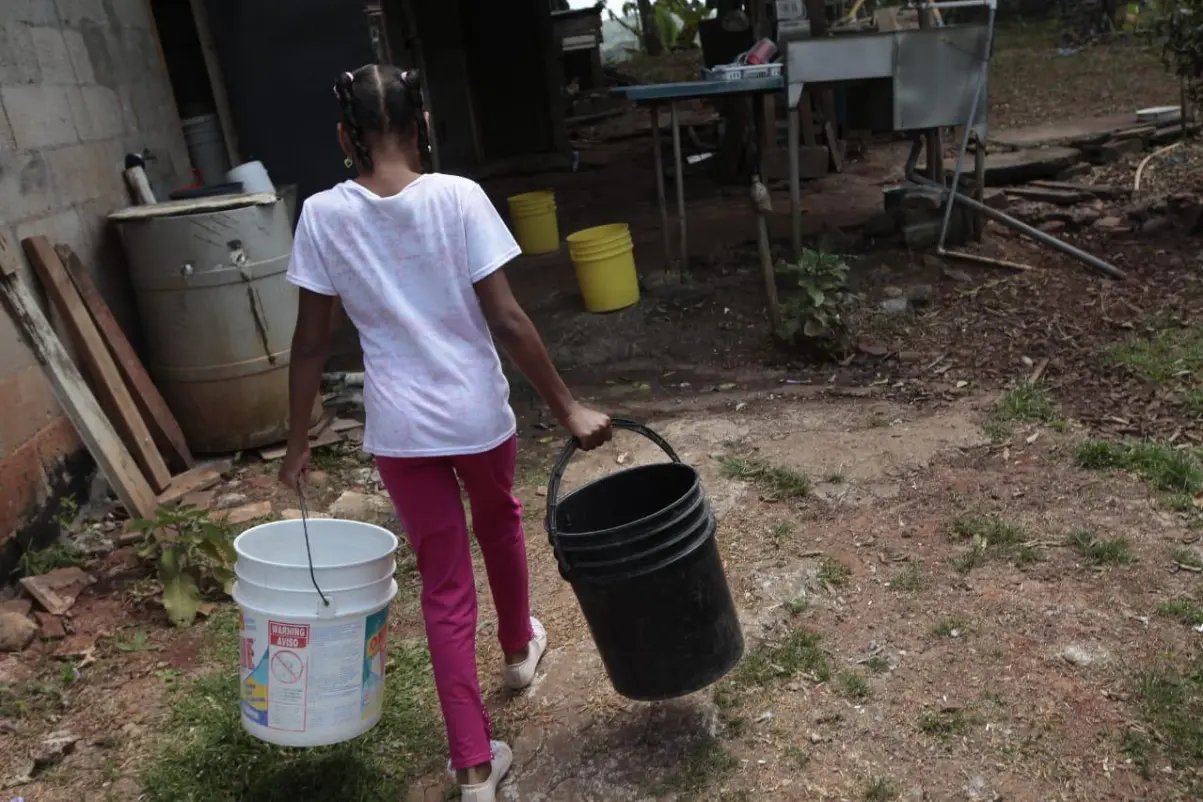
Public services: A total of 281,927 boys and girls, equivalent to 23% of this population, do not have access to water in their homes, according to the 2023 Census.
Mental health: Seven out of ten adolescents between 15 and 19 years old reported between one and four symptoms of anxiety, according to the National Health Survey of Panama (ENSPA 2019).
Transition from school to work: 26% of people between 20 and 22 years old had not completed secondary education, according to data from IIEP UNESCO-SITEAL.
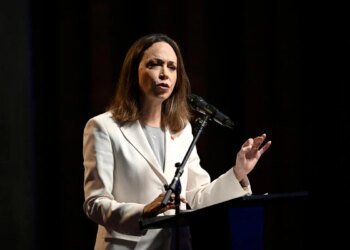
The UNICEF representative in Panama, Olga Isaza, recognized the progress made by the country in recent decades in terms of children’s rights, including the reduction of infant mortality and the expansion of primary education coverage.
However, he warned that important social and territorial gaps persist that especially affect the most vulnerable populations.
“Our call is to make firm decisions so that all boys and girls in Panama live and enjoy their rights”expressed Isaza.
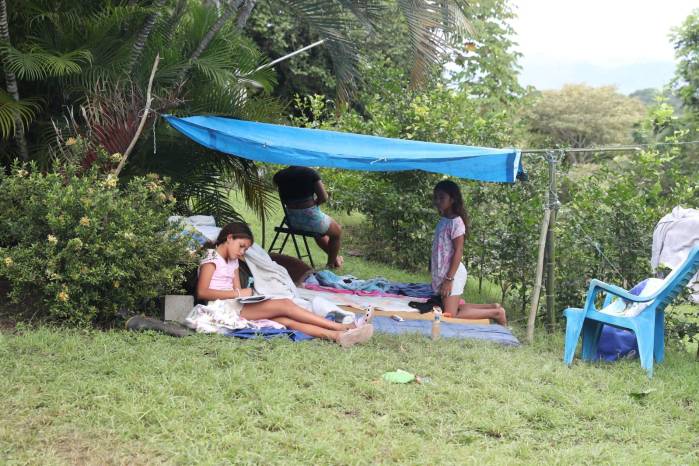
Unicef declared the importance of guaranteeing the participation of children in matters that impact their lives.
The representative also expressed concern about multidimensional poverty, limitations in access to water, sanitation and hygiene, gaps in initial education and obstacles to accessing health and protection services.
Likewise, it warned about problems such as domestic violence, sexual abuse and exploitation that especially affect girls and adolescents.
Isaza also stressed the importance of guaranteeing the participation of children in matters that impact their lives.
“Boys and girls have the right to be heard and to have their opinions taken into account in matters that affect them,” he stated.