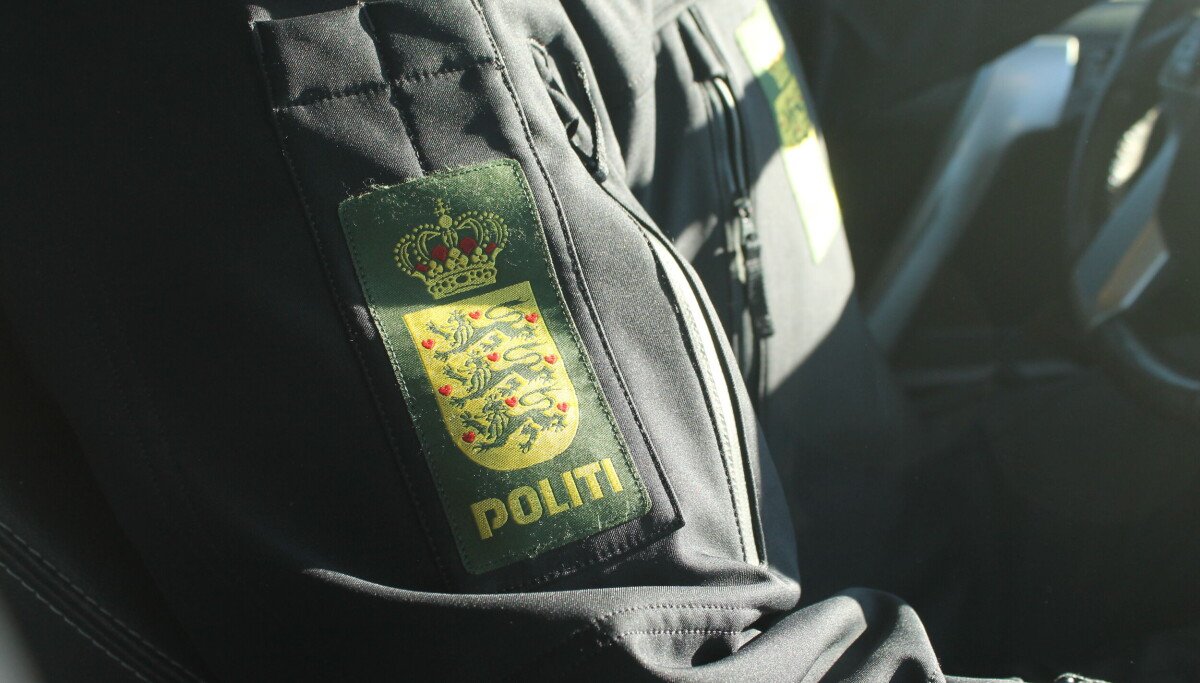
In Narsaq is the police are challenged by the fact that they do not have a permanent police officer employed who can speak Greenlandic.
– The language problems are probably the biggest problem down here, stated police assistant and subject coordinator, Jens Christian Fisker, when Sermitsiaq was in town at the end of September, and dropped by the local police station.
The lack of local officers is also the challenge that the Greenland Police struggles with the most when it comes to recruitment and staffing. This is what HR manager at the Greenland Police, Martin Bernhard, tells us.
– Attracting more locals to the police is probably our biggest challenge right now, he says.
How do you make yourself attractive as a workplace in a small pond, where everyone is fishing side by side, and where employee retention is also more difficult than in many other places?
However, the police do not register which languages the staff speak, and therefore it is not known how many of the employees at the 18 duty stations in Greenland speak Greenlandic.
– But based on our own local knowledge, we know that some of our stations have a higher concentration of police officers who speak Greenlandic than others, says Martin Bernhard.
We fish in the same pond
The distribution between local police officers and called-in police officers from Denmark is roughly equal in the Greenland Police, although with a predominance of called-in police officers. HR manager Martin Bernhard emphasizes that they would very much like to have more officers with local knowledge and who speak the language employed.
However, the competition is fierce.
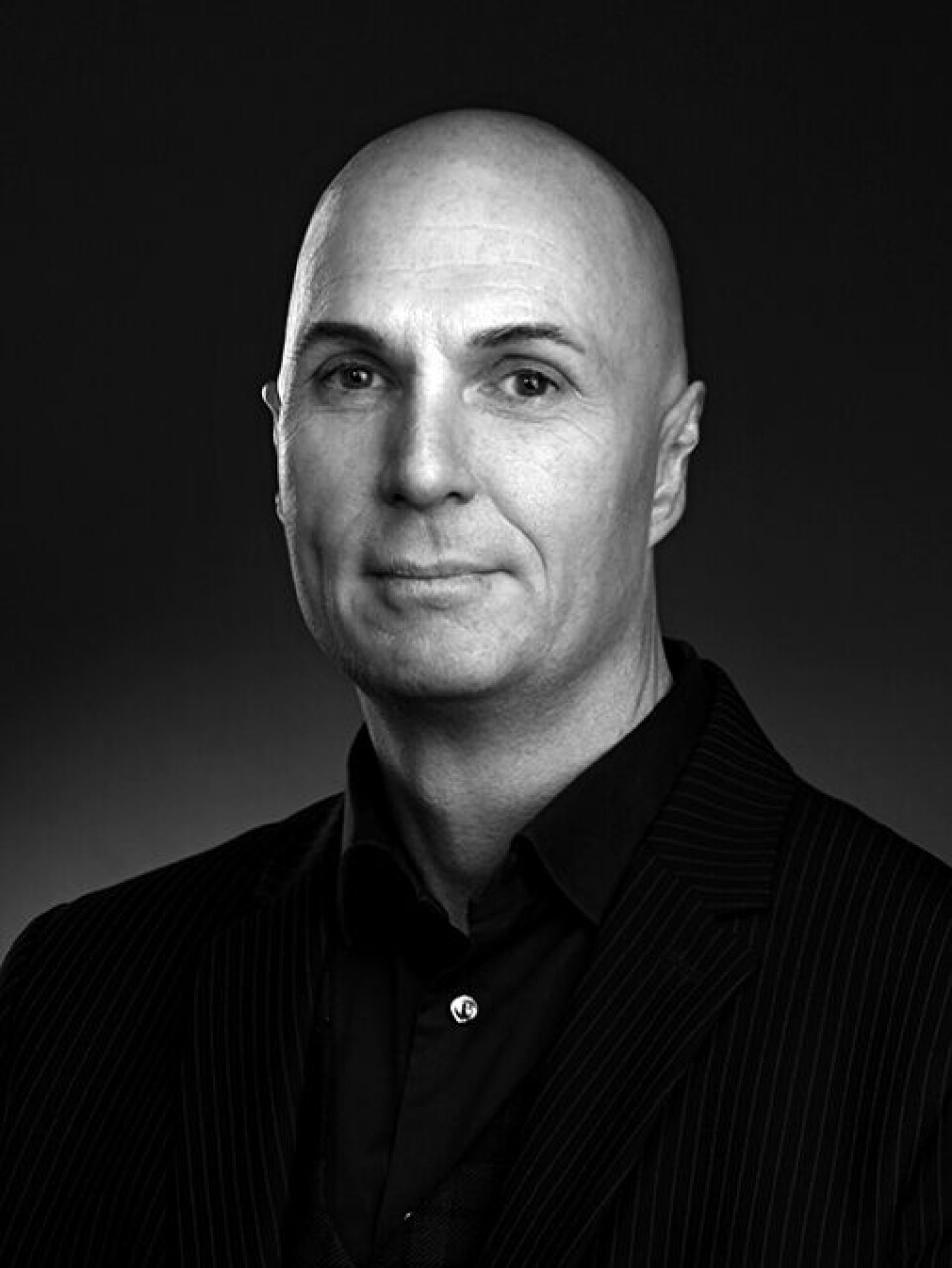
– How do you make yourself attractive as a workplace in a small pond, where everyone is fishing side by side, and where retaining employees is also more difficult than in many other places, asks Martin Bernhard.
According to the HR manager, part of the answer lies in the framework and conditions that a workplace can offer its employees. Here he himself emphasizes that around 230 government officials in Greenland – including the police officers – were at the beginning of the year treated on an equal footing with their Danish colleagues in terms of pay and employment.
Can you see an effect from it?
– It is difficult to say, but we are starting to get some inquiries from former colleagues who are now asking how they can get back to the police, replies the HR manager.
Apart from the fact that the pool of suitable local labor is limited, the size of the community is also something that can make the police’s work difficult – and potentially scare away the candidates.
– There is no doubt that one of the things that makes the job hard is that the community is close and that the relationships are close. As a police officer, you deal with friends, colleagues and family members, says Martin Bernhard.
Conversely, it is also the HR manager’s experience that many officers who were born and raised in Greenland are used to everyone knowing everyone.
– There is some unwritten agreement about how to move forward, as you know very well that the blue uniform means that you belong to a profession and that you have a task. It is respected – also when the task is to deal with a criminal act committed by a person you have a relationship with, he says.
In some cases, you have to resolve it by telephone
According to police assistant Jens Christian Fisker from Narsaq Police, you are largely dependent on being able to have a local reserve officer on patrol.
However, it is not always possible for the person in question to do so – and it is in these situations that the language barrier between the called police officers and the citizens is felt most clearly. That challenge is also known elsewhere in the Greenland Police, says Martin Bernhard.
– This is why, among other things, reserve officers and municipal bailiffs are also part of the segment that supports the professional work of the police, he says.
In cases where there is no reserve officer to rely on, Martin Bernhard highlights the guard center in Nuuk.
– If you are in a very serious situation, we have our call centre, where in some cases you have to solve the problems by taking it over the phone, he says.
Although the police do a lot to show up at schools, talk about the police’s tasks and advertise the Police School, it is difficult to fight against increasing urbanization and demographic development.
You cannot force people to look for work outside Nuuk and other larger cities, the HR manager points out.
– This is a challenge that we are working to solve in the long term. Right now and here, we prioritize first and foremost that there is the right staffing and the right skills present, where there is a need. Next, we must try to achieve the dream scenario, says Martin Bernhard.