A €1 billion buyout in Bulgaria returns Greek banking capital to the Albanian market, five years after its last exit. For more than a decade, the story of Greek banks in the Balkans was a narrative of forced withdrawal. Brought to its knees by the sovereign debt crisis and pushed by Brussels regulators to shrink their balance sheets abroad, Athens’ lenders sold one after another of the subsidiaries that once dominated the region.
In Albania, this exodus closed in 2021, when Alpha Bank passed to the Hungarian OTP, ending a 25-year presence that at its peak, in 2008, controlled a quarter of the market.
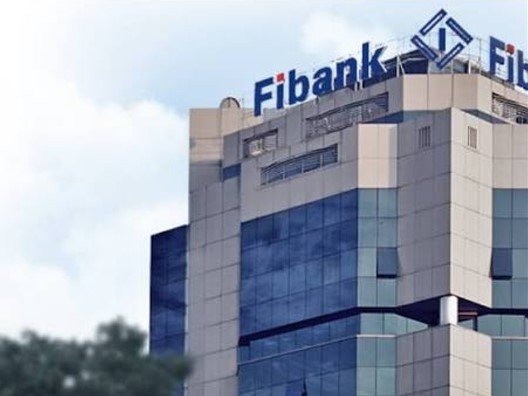
But financial cycles in Southeast Europe have a tendency to repeat themselves, albeit with renewed protagonists. On November 18, Eurobank SA, one of Greece’s largest banking groups, announced an agreement to acquire Bulgaria’s First Investment Bank (Fibank).
The transaction, which values the Bulgarian bank at around 1 billion euros, aims to create Sofia’s new banking giant by merging Fibank with Eurobank’s existing subsidiary, Postbank.
What does this mean for Albania?
For the Albanian market, however, this move brings a direct consequence: the passage of Fibank Albania under the umbrella of Athens. Fibank Albania is present in the Albanian market since 1999 (as a subsidiary licensed by the Bank of Albania since 2007) and is 100% owned by the parent bank in Sofia.
In this regional equation, Albania enters as a geographical dividend. Fibank Albania, present in the country since 1999 and with a network of 14 branches and agencies, is a modest-sized player in the Albanian market, already dominated by European groups such as BKT, OTP, Raiffeisen and Intesa, as well as by the local capital of Credins, Tirana Bank and ABI Bank.
However, its transition from a small-scale Bulgarian group to a regional giant with over 114 billion euros in assets and major presence in Greece, Cyprus and Bulgaria changes its competitive weight.
The transaction
The architecture of the agreement is clear. Eurobank will pay around 650 million euros (6,731 euros per share) to buy a 65% controlling stake from Bulgarian founders Ivailo Mutafchiev and Tzeko Minev. It will then launch a mandatory public offer for the remainder, with the Bulgarian Development Bank (BDB) already committed to selling its 18% stake.
To finance this expansion and maintain the core capital ratio (CET1) near the healthy level of 14%, Eurobank will combine its existing capital surplus with a capital increase of 750 million euros through an accelerated process, a plan that enjoys the support of its main shareholder, the Canadian group Fairfax Financial Holdings.
The economic logic behind this purchase is mainly related to Sofia, which has been a member of the Eurozone since January 1 of this year and enjoys a projected economic growth of 2.6% for 2026, almost twice the average of the European Union.
By merging Fibank with Postbank, Eurobank will control around 20% of assets and deposits in Bulgaria, hoping to generate over €70 million in annual savings from synergies by 2029.
For Greek banks, this recovery proves that the period of healing the wounds of the crisis is over. With balance sheets cleared of bad loans and with ample liquidity, Athens is once again looking beyond its northern borders.
For customers and regulators in Tirana, the re-entry of Eurobank – which is expected to be finalized in the first half of 2027 after the relevant approvals – brings a familiar name with new financial power, ending a five-year absence and adding another link to the financial integration of the Balkans.