BAKU, Azerbaijan, November 10. Kazakh-language
classes accounted for 71 percent of pupils entering school in
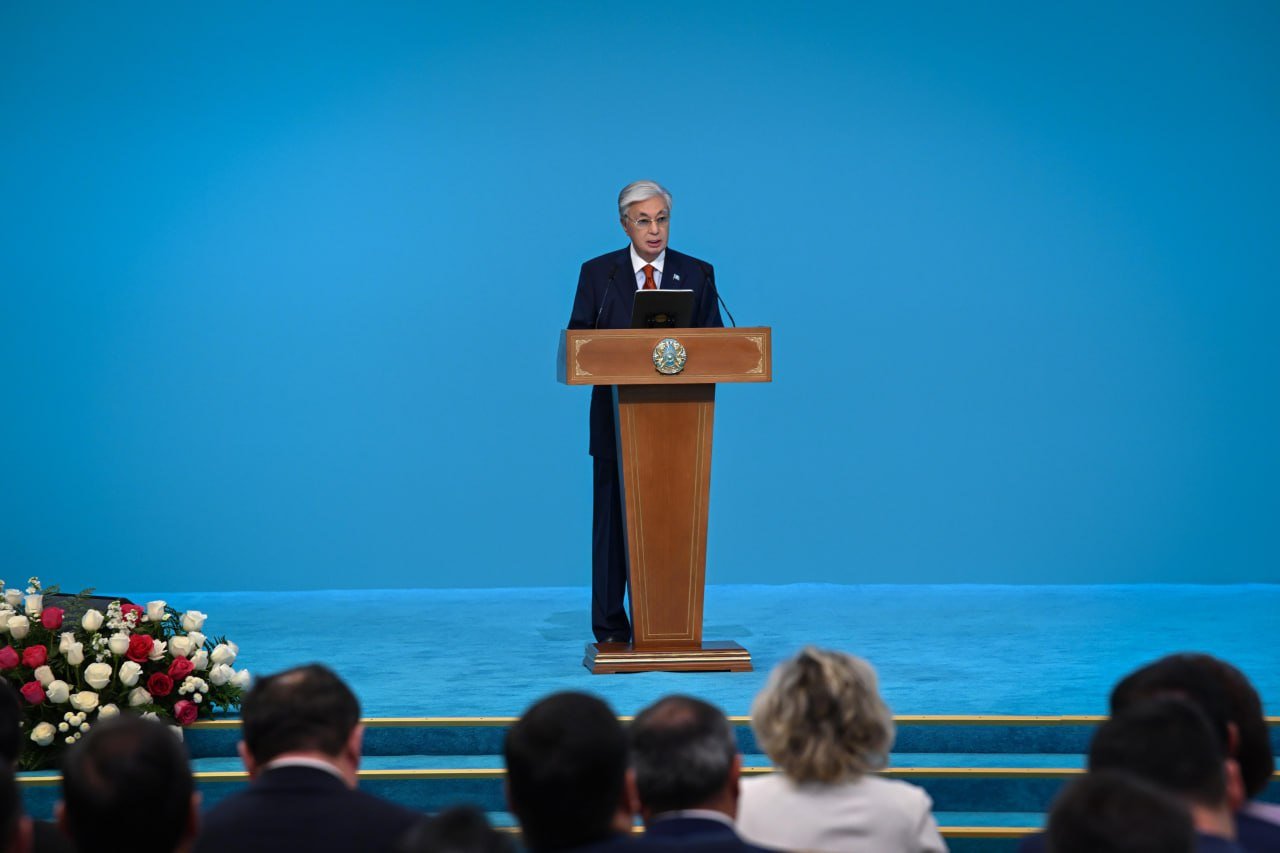
Kazakhstan this year, President Kassym-Jomart Tokayev said at the
10th congress of the International Kazakh Language Society today,
November 10.
According to the presidential press service, Tokayev said most
children in kindergartens and schools were now receiving education
and upbringing in Kazakh language. He also noted an increase in the
number of Kazakh-language departments at colleges and
universities.
The president said the growing presence of Kazakh in education
was accompanied by an increase in the share of cultural products
created in the language.
Last year, 70% of more than 6,000 books published by publishing
houses in Kazakhstan were printed in Kazakh, according to figures
cited by Tokayev. In the country’s film industry, 63 of the 71
films produced this year were released in Kazakh.
He described these trends as encouraging, saying they reflected
growing public demand for the language. Tokayev called for
continued efforts to strengthen its position across different areas
of public life, including education, publishing and the creative
industries.
The president also highlighted the role of prominent Kazakh
figures in promoting the country’s culture and identity
internationally. He named historical figures such as Sultan
Baybars, philosopher Abai and scientist Kanysh Satpayev, as well as
contemporary representatives of music, cinema, sport and
technology.
Among those mentioned were singer Dimash Kudaibergen, actress
Samal Yeslyamova, chess player Bibisara Assaubayeva, professional
sumo wrestler Yersin Baltagul, known in Japan as Kinbozan Haruki,
and Yerzat Dulatov, head of the global startup Higgsfield AI.
Tokayev described such personalities as cultural ambassadors who
help promote Kazakhstan’s culture, spirituality and intellectual
potential beyond the country’s borders.
He said the Kazakh language was increasingly becoming a form of
soft power that could unite the nation and broaden the reach of its
culture. In his view, the country’s growing international standing
and the achievements of its citizens also contribute to the
prestige of the state language.
Tokayev stressed that the language should be regarded as an
essential symbol of Kazakhstan’s independence and national
identity. He argued that its standing was closely linked to the
country’s overall development, including the strength of its
economy, innovation and technology.
The president said Kazakhstan should avoid pessimistic
assessments of the language’s future, adding that its resilience
had been demonstrated throughout history and that its current
development offered grounds for confidence.