With road closures and reduction of public transport, Spain started a general strike this Wednesday against the housing crisis and the loss of purchasing power, more than two weeks before elections in which the president of the government Pedro Sánchez is staking his re-election.
The general strike, the first since 2012, was having a “very relevant” follow-up in some sectors, according to the unions, although the country’s main employers considered it “low.”
The high point of the day is expected in the afternoon, when protests are planned in Madrid, Barcelona and other cities.
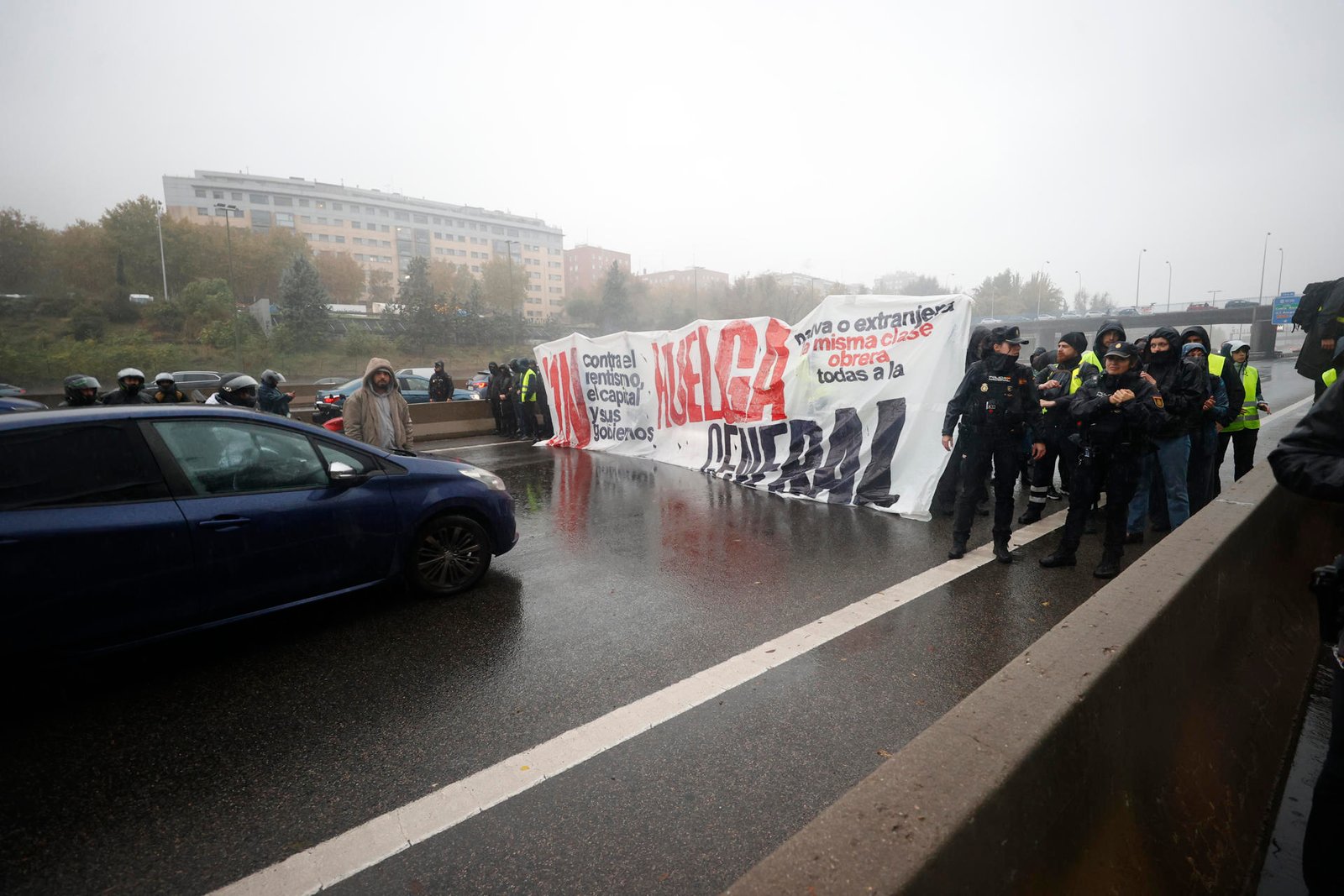
Protesters with a large banner calling for a “general strike” blocked an access road to the Spanish capital early in the morning, which like other large cities reported traffic disruptions.
In Barcelona, where graffiti in favor of the strike was visible on the streets, the metro circulated at 25% in the first hours and will not provide service until the beginning of the afternoon, reported the metropolitan public transport manager.
“There is a very relevant participation in the sectors that work shifts,” Unai Sordo, general secretary of the Workers’ Commissions, one of the largest Spanish unions, assessed the strike.
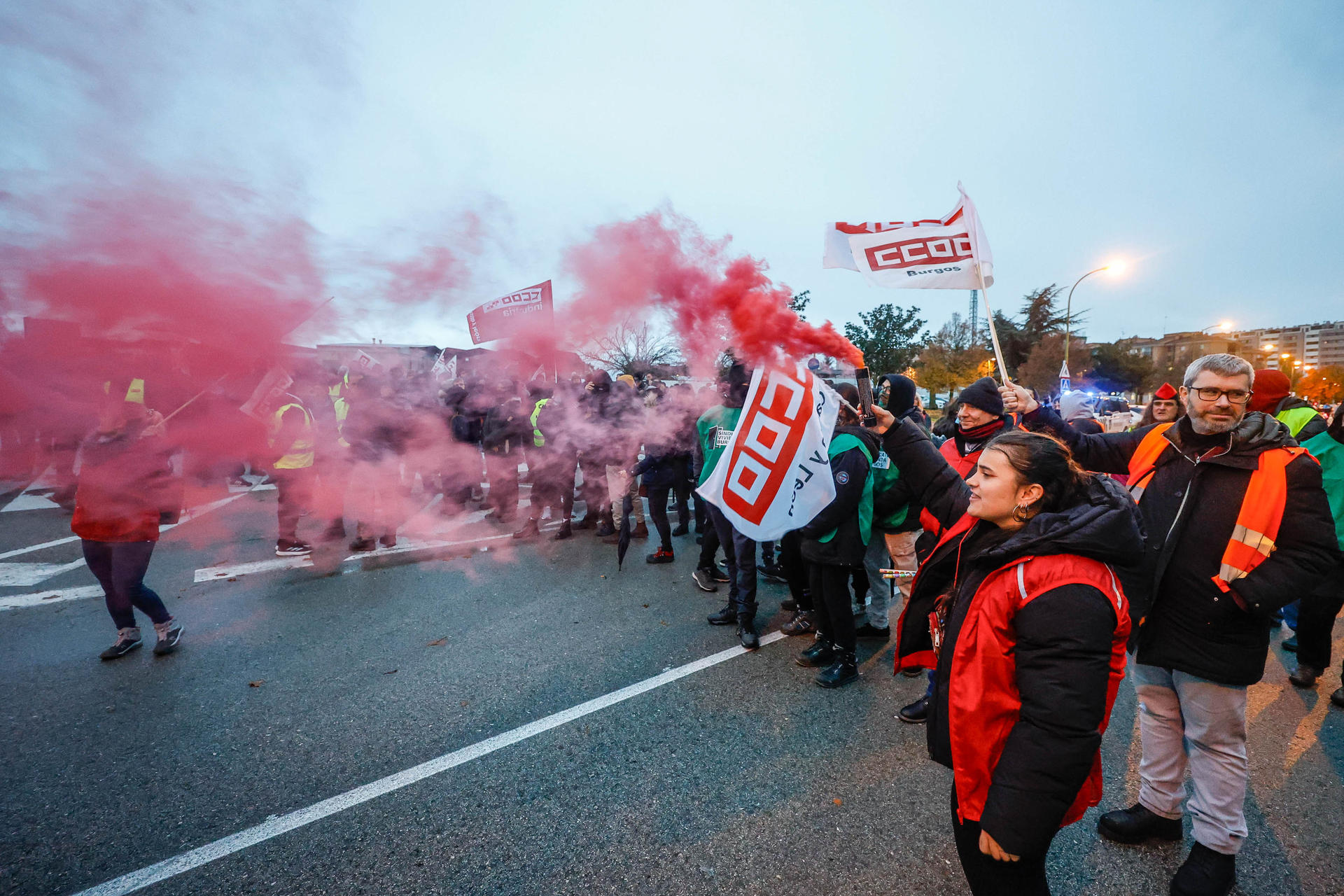
“The follow-up of the strike has been uneven, as we already anticipated, with a large implementation of the strike in the Cantabrian coast, in the Mediterranean, in Catalonia and in Andalusia, and fundamentally in the coastal areas, which is where we have the most pressure on the issue of housing,” said Rafael Espartero, vice general secretary of the Internal Area of the UGT union.
But for the CEOE, the main Spanish employers’ organization, the impact of the strike was being much more discreet.
“Low monitoring of the strike is observed in the majority” of sectors “and, in any case, somewhat higher in more unionized areas and sectors,” he said in a statement.
“We can’t wait any longer”
The main unions called this strike following the protests over housing access this fall. The trigger was the forced eviction from her apartment in September of Maricarmen Abascal, an 87-year-old retiree from Madrid who died a few days later.
“The politicians’ time is up, we can’t wait any longer. The housing model in this country has to change,” Valeria Racu, spokesperson for the Tenants’ Union, a key association behind the mobilization and actions such as the encampment that occupied the central Puerta del Sol in Madrid for five weeks, said on public television this Wednesday.
By failing to validate a package of measures on housing in Parliament, the President of the Government, the socialist Sánchez, brought forward the elections initially scheduled for 2027.
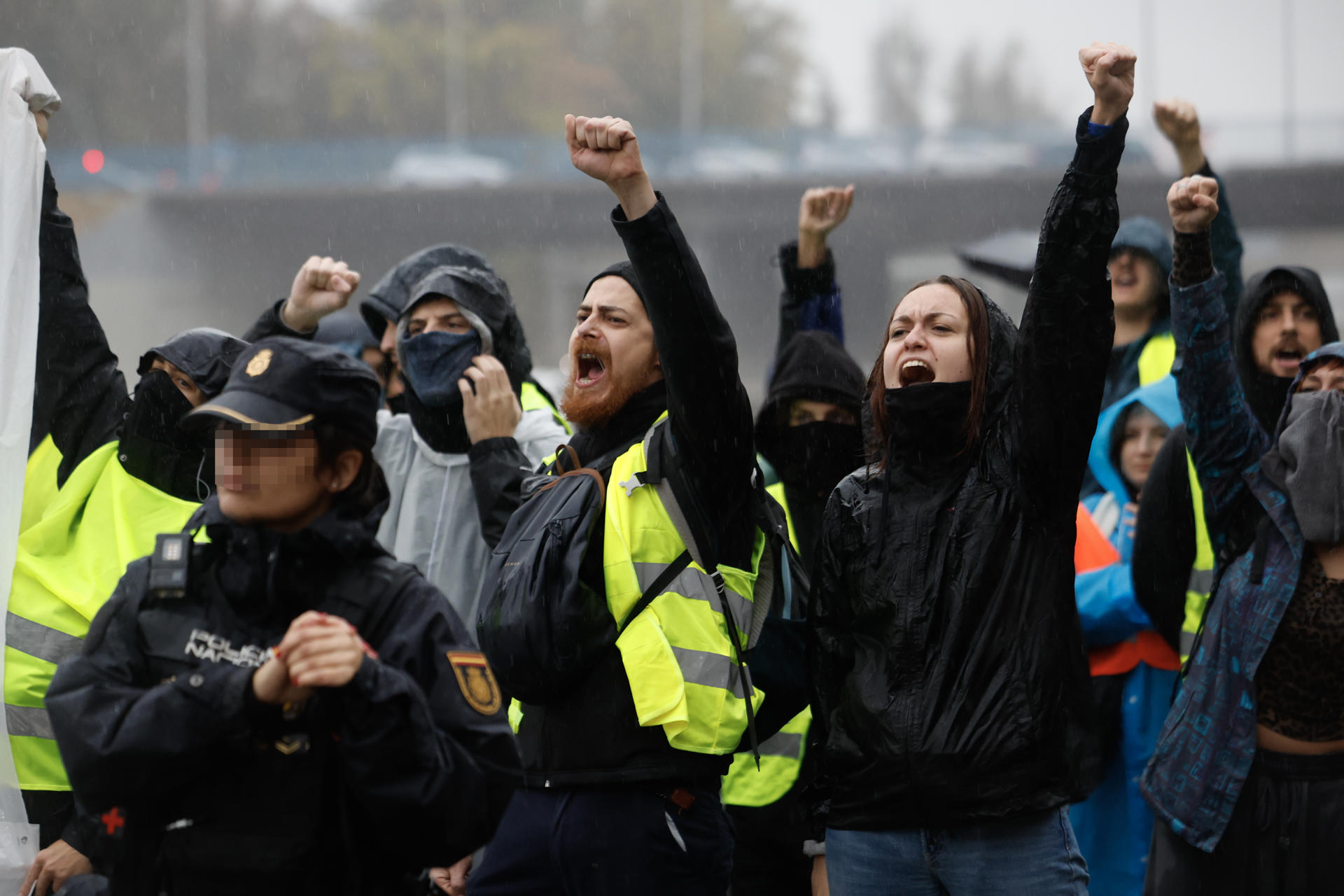
“A strike against no one”
The left-wing Government plans to have part of these measures approved this Thursday in the Permanent Deputation, a body that performs the functions of Parliament, dissolved by the electoral call.
“This is not a strike against anyone, but in favor of giving common responses by all administrations to a real problem that exists, which is access to housing,” Sánchez told the newspaper La Vanguardia on Sunday.
Recalling the social advances achieved in Spain in past decades when “people said enough! and organized themselves and took to the streets and went on strikes,” Sánchez called on Monday on the social network X to “protect” what has been achieved.
The paralysis of activities, rejected by the employers who have described it as an “electoral” protest, has been criticized by the right and the extreme right.
“Don’t do it. They didn’t do it in eight years of government. Don’t do it now” before the elections “or you will link your image to Pedro Sánchez forever,” the leader of the Popular Party (PP, right), Alberto Núñez Feijóo, warned the unions last week at a rally.
The head of the PP, the favorite party to win the elections according to the polls, described it as a “serious mistake” to continue with the strike “69 dead later”, in reference to those who died in a train collision in the center of the country at the end of October, a fact that shook the campaign.
The Spanish gross salary reaches an average of about 2,460 euros per month in 14 payments, while renting a 50 m2 apartment in Madrid cost 1,170 euros per month on average in October, according to the Idealista portal.
This represents almost half of the average gross salary, a proportion very far from the 30% that public organizations and housing professionals usually recommend.