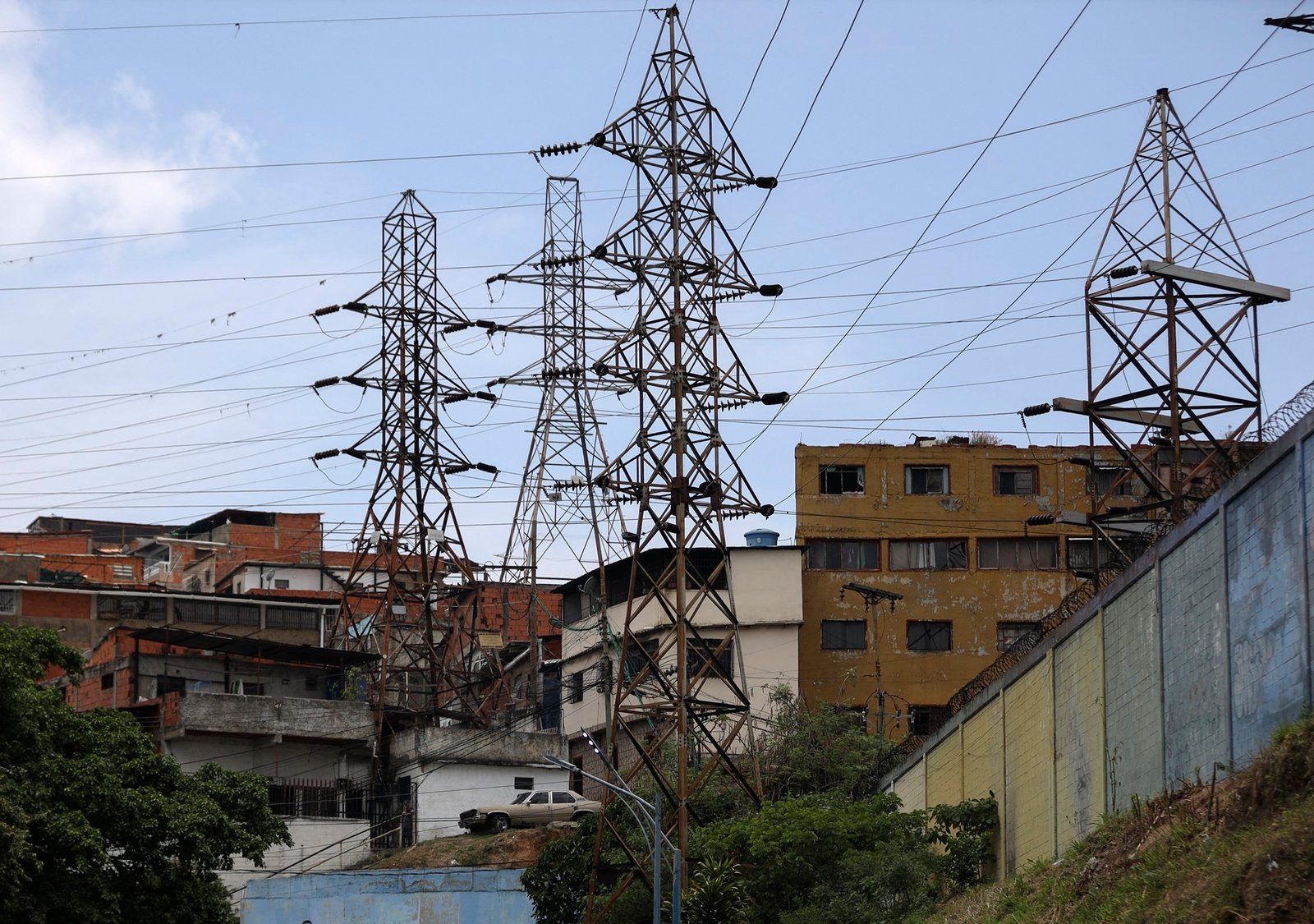
The electricity service rates in Venezuela will be calculated according to the currency with the highest market value; This was reported this Tuesday by the president of the National Assembly, Jorge Rodriguezafter the approval of a partial reform of the electrical law that seeks to attract private investments and restructure the conditions of service provision.
In statements given to the media, the head of Parliament highlighted that the new scheme includes the application of subsidies, aimed at citizens whose income is insufficient to cover the full cost of the service.
According to Rodríguez, the regulations establish a distinction between the residential users who require financial assistance and industrial or commercial consumers with the ability to pay full rates.
“Indexed to the currency of highest value. Yes, they will be indexed to the currency of highest value, but also with a system of subsidies, especially those people who, for reasons of their income level, cannot pay a full rate as can be paid by industrialists or as can be paid by those who have commercial activities,” he explained.
Although he confirmed the indexing mechanism, Rodríguez It did not detail the service rates or the selection criteria for users who require the subsidy.
Private companies will be able to import electricity from neighboring countries
Along with the modifications in the tariff scheme, the law grants permission to private companies to develop electricity generation projects, install their own plants and even import electricity from neighboring countries.
Rodríguez clarified that the regulations seek to respond to the needs of those industries and areas that register a high energy demand.
“Now, I do believe that opening is necessary so that the private sector can also provide electric energy service, especially to large consumers: especially to industries, especially to shopping centers, above all… And for the State to concentrate above all on improving the electric energy service to neighbors, to populations, especially in the western part of the country,” he said.
The new legal framework establishes the creation of a specialized superintendency, dedicated to supervise the rates of private providers and the operation of the distribution system. The regulations contemplate sanctions for failures in the service, damage to public infrastructure and misleading offers that violate consumer rights.