UNNIA
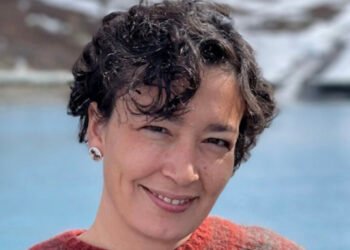
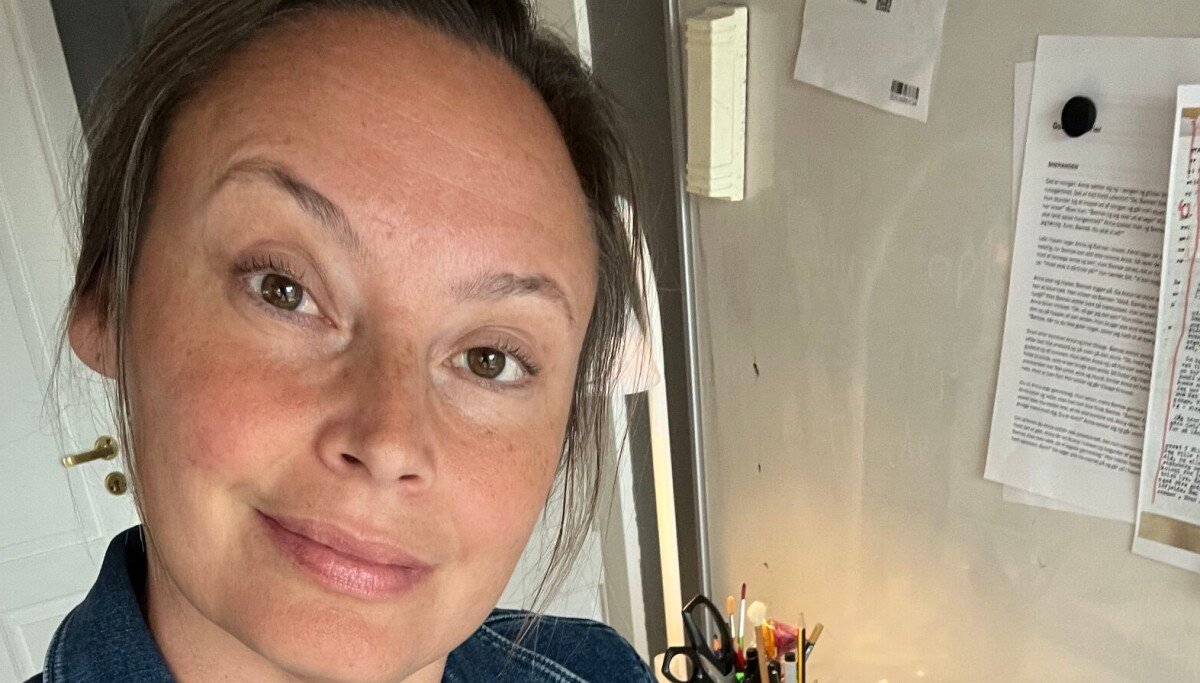
Lisbeth WalgreenMA in Greenlandic and Arctic studies, can soon boast a new title. After the New Year, she will become a PhD student.
Together with Lars-Martin Sørensen, who is head of research at the Danish Film Institute, she has been awarded funding for the research project.Propaganda, today’s lesson, digital cultural heritage – the Danish state’s film about Kalaallit Nunaat/Greenland and Denmark’.
– I will delve into some of the films about Greenland that the Danish state has produced in the twentieth century, and analyze them in the light of their different geopolitical contexts, Lisbeth Valgreen tells AG.
More specifically, she will look at films produced from 1920-1990, which have been distributed in cinemas, associations and schools in Denmark.
– I have to investigate what image of Greenland the Danish state has wanted to create, she says and points out that until the constitutional amendment in 1953, Greenland was for many Danes a closed country.
– You had to have permission to travel into Greenland and you couldn’t just travel on a tourist holiday, she explains.
Therefore, film has been the closest many Danes have come to seeing Greenland in moving images.
– It is important to look at these things, because the narratives that the films have brought with them could possibly contribute to making the dialogue difficult today, says Lisbeth Valgreen, who has worked for many years with communication about the relationship between Greenland and Denmark.
During her PhD studies, Lisbeth Valgreen is employed at the Danish Film Institute. The project is a collaboration between the Danish Film Institute and the University of Copenhagen, as well as with Ilisimatusarfik and Kalaallit Illuutaat as external partners.
– I am looking forward to being able to immerse myself, to use my many years of experience and to have to learn new things again, she says.