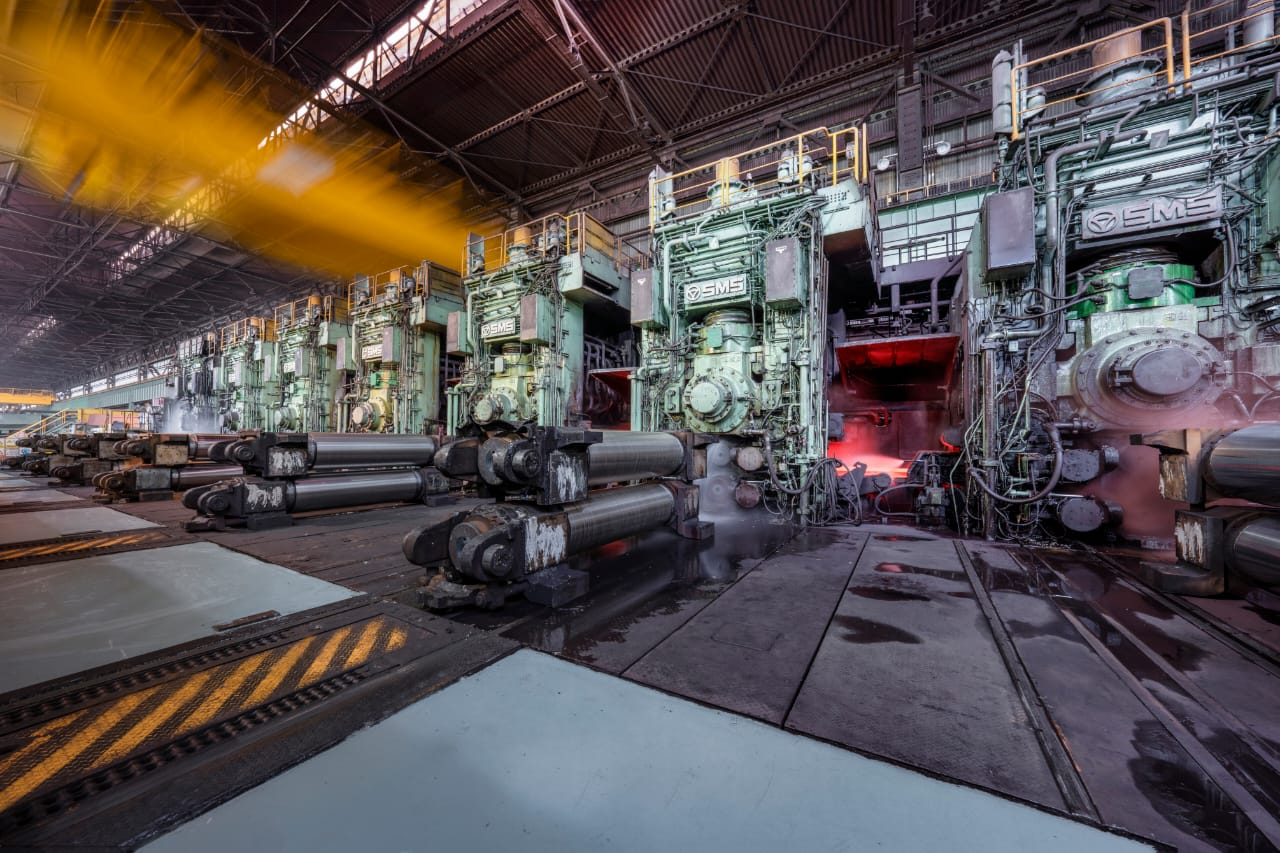
“Sunrise” inside the Baoshan base in Shanghai, a stronghold of steel for bridges, stadiums and major cities:
The group is among the best in the world with 6 million tons of steel annually
Employing the latest advanced technology and betting on green industry
The Chinese “Baow Steel” group, one of the largest global groups in the iron and steel industry, is betting on employing the latest industrial technologies to develop steel production and reduce its carbon footprint, by adopting direct iron reduction techniques and low-carbon steel production, which are techniques that have become part of its industrial experience and projects around the world, as the group’s officials confirmed to “Al-Shorouk”. This experience gains special importance in light of the negotiations announced by the Algerian Ministry of Industry, last August, with the Chinese giant, as part of research. Prospects for industrial cooperation, and the opportunities that this cooperation may provide in the future to modernize the iron and steel industry in Algeria, especially the stone complex, and enhance its production and technological capabilities, in a way that responds to the requirements of competitiveness and the shift towards an industry that is less polluting to the environment.
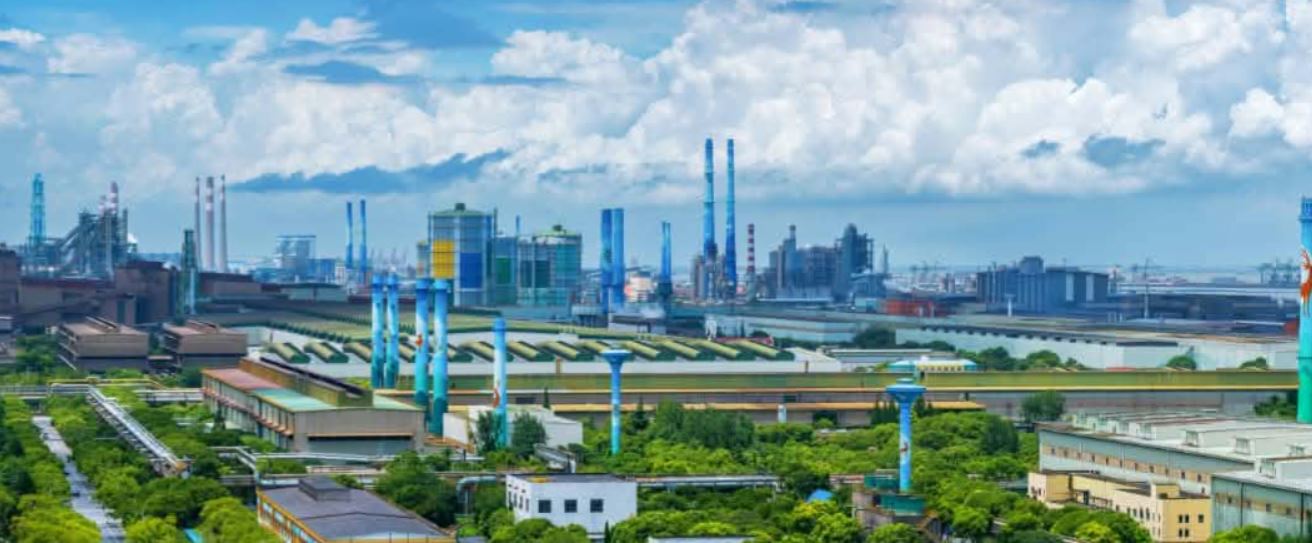
Baowu Steel Group, affiliated with the China Baowu Group, is one of the most prominent global industrial poles in the field of steel production, thanks to its huge production capabilities and advanced technological expertise, which has made it a model for modern heavy industry. The group combines industrial production, smart manufacturing and technological innovation, with an increasing trend towards protecting the environment and reducing carbon emissions.
The Baoshan base in the Chinese city of Shanghai represents one of the industrial and historical group’s most important facilities, as it is the site from which Baoshan’s journey began, before it turned into a model of modern factories that combine production, technology and the environment.
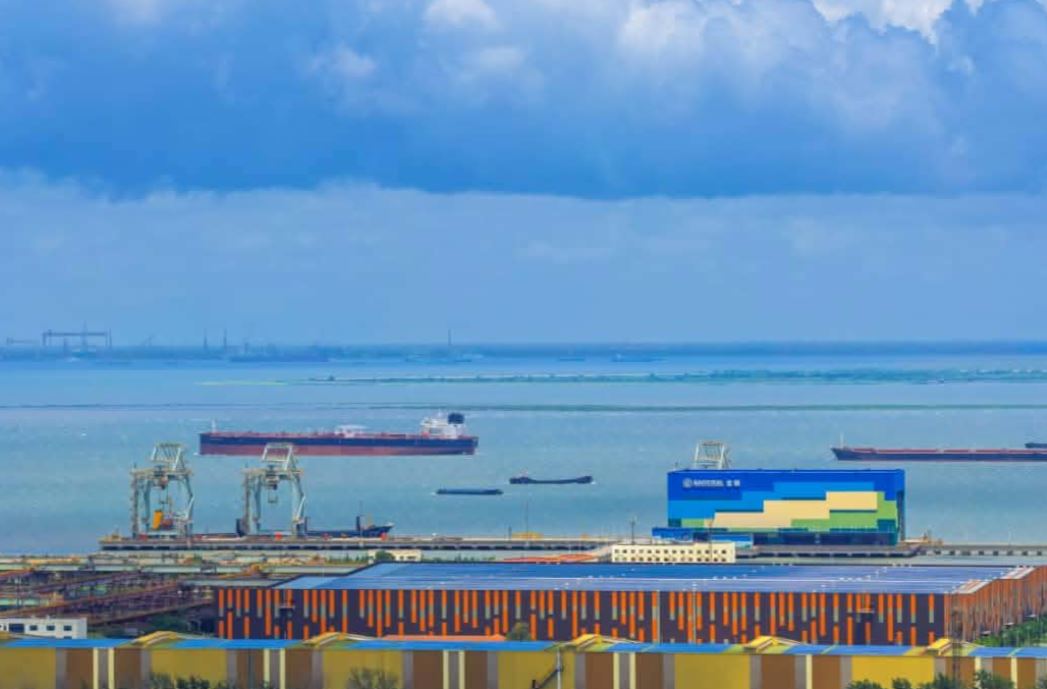
During a field visit by “Al-Shorouk” to the company’s headquarters at the Baoshan base in the Chinese city of Shanghai, we saw the extent of the industrial and technological capabilities possessed by this institution, which is expected to be a party in the industrial cooperation project aimed at rehabilitating and developing the Al-Hajar complex in Annaba, within the framework of the proposed partnership with the National Iron and Steel Company (SNS), and with the accompaniment of the Sonatrach complex.
Baow Steel’s historical display narrates the group’s journey with reform and opening-up
The Baoshan base does not appear to be just a traditional factory for the production of iron and steel, according to the explanations we received there, but rather an integrated industrial space that combines history, technology and the environment, as the institution presents its identity through three main dimensions, represented by the “red memory” that recalls its history and stages of development, the “green environment” that reflects its interest in the natural surroundings, along with the “blue smart manufacturing” that highlights the adoption of technology, digitization and artificial intelligence in industrial activity.
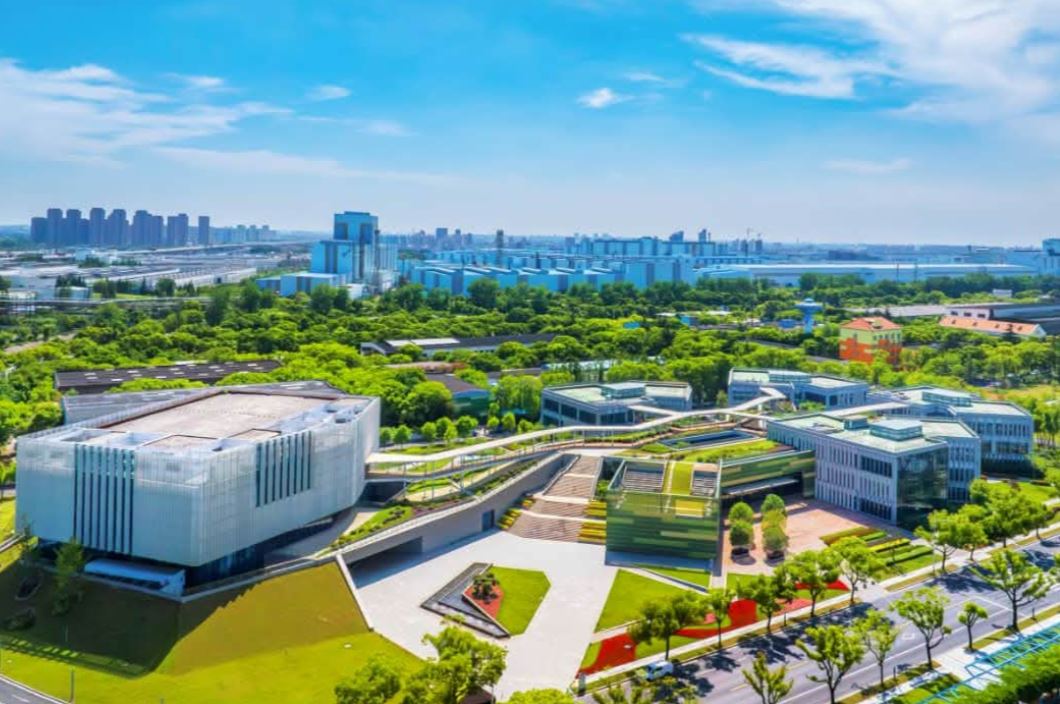
The base includes spaces designated for industrial tourism, including a historical display reviewing Bao’s career and development in conjunction with the phase of reform and economic opening in China. It also houses the Baowu Industrial Co-Creation Park, known as the “Shanghai Baowu Steel Park,” which bears the slogan “From Baowu,” and includes a guide map that allows visitors to learn about the various industrial, environmental, and tourism spaces.
What was striking during the visit was the presence of green spaces within the industrial environment, as the zoo includes types of Chinese spotted deer and peacocks, in an image that reflects the institution’s keenness to achieve harmony between industrial activity and nature, and not to limit the facility’s role to production alone, but also to transform it into a space that combines industry, environment, and tourism.
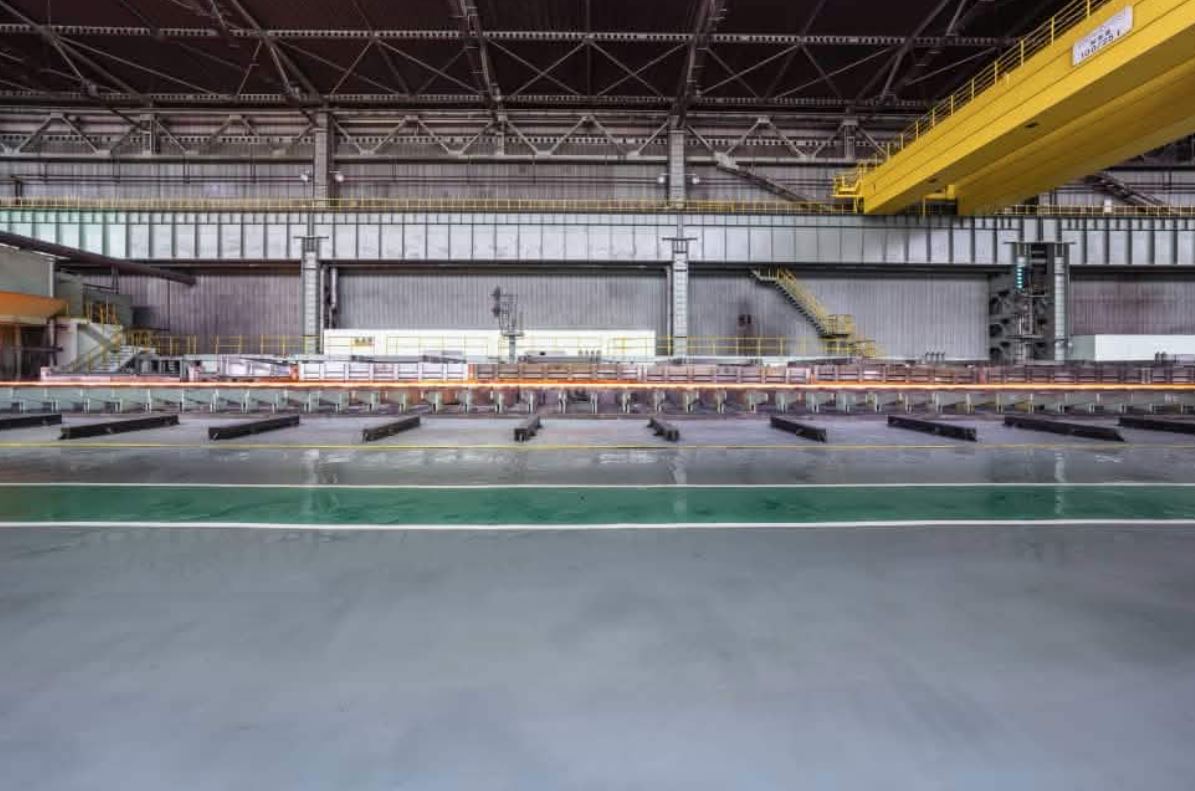
Oil and gas pipelines, cars, containers… products in vital industries
One of the most prominent facilities that attracted attention during the visit was the hot rolling mill No. 2050, known within the corporation as the “Golden Line” and the “Loud Line,” which represents one of the most important production poles at the Baoshan base.
This line entered production on August 3, 1989, the date of its construction and operation, to constitute an important industrial achievement as it was the first continuous line for hot rolling mills in China with a width exceeding two metres. When it was established, its production capacity was estimated at 4.5 million tons annually, but it has now exceeded six million tons annually, which reflects the development witnessed by this industrial facility and its ability to meet the needs of multiple industrial sectors.
The line specializes in the production of hot-rolled steel strips, whose thickness ranges between 1.2 and 25.4 mm, and their width ranges from 600 to 1,900 mm. These products are directed to strategic industries, such as oil and gas transportation pipelines, machinery and automobile manufacturing, and high-strength containers and pressure vessels.
The importance of the products of this line was not limited to meeting industrial needs, but the steel produced by it contributed to the completion of major projects in China, including the “Bird’s Nest” stadium in Beijing, the Hong Kong-Zhuhai-Macao Bridge, the Donghai Bridge, and the Yangshan Deep Water Port, which are projects that reflect the nature of advanced industrial uses of the steel produced by the corporation.
The 2050 line relies on industrial equipment from international and Chinese suppliers, including “SMS Image” and “Siemens”, in addition to “First China Heavy Industries Company” and “China National Heavy Industry Group Erzhong”.
The facility includes four moving beam reheating furnaces, a plate sizing machine, four rough rolling units, flying shears, a high-pressure scale removal system, as well as a finishing unit consisting of seven rolling stands and three coil winding machines.
The production process begins with reheating the steel blocks, then sizing and rolling them in stages, before passing through the finishing units from the first to the seventh, and cooling, all the way to wrapping the final products, within an integrated production chain that allows control of the various stages of manufacturing.
This visit is of particular importance in view of the developments related to the cooperation project between the China Bao Group and Algeria, as the month of August 2026 witnessed official meetings with the Ministries of Industry and Hydrocarbons, to discuss the prospects for developing the iron and steel industry and rehabilitating the Al-Hajar complex.
The proposed project revolves around establishing an integrated complex for the production of low-carbon reduced iron and green steel, in partnership with the National Iron and Steel Company (SNS), and accompanied by the Sonatrach complex, while taking advantage of national energy resources and modern technologies, including natural gas, renewable energies, and carbon removal technologies, in addition to direct iron reduction technologies, hot-molded iron, green hydrogen, and industrial digitalization.
In this context, Sonatrach’s role is to secure the natural gas, petroleum and petrochemical materials necessary for the project, allowing the provision of the energy and industrial inputs necessary to develop an integrated iron and steel production chain. However, this project is still, according to the data provided, in the consultation stage, and has not yet reached the signing of a final investment contract, awaiting the completion of the technological concept, the draft memorandum of understanding and the road map.
The experience we encountered at the Baoshan base reveals that the bet on developing the stone complex should not be limited to raising production, but rather requires modernizing equipment, transferring technology, developing Algerian competencies, and moving towards a competitive steel industry that is less polluting to the environment, allowing the resurrection of one of the most important symbols of the national industry on modern industrial and technological foundations.