TRAINING
Each year starts approx. 250 young people from Greenland at a post-secondary school in Denmark. But not everyone is equally aware of students from Greenland. That is why the Afterschool Association has put together 10 recommendations for all afterschools.
Some post-secondary schools in Denmark admit 40-50 students from Greenland every single year, while other post-secondary schools admit a few or only a single student once in a while. And there is a big difference in how students from Greenland are received at their post-secondary school, which has an impact on whether it will be a good stay.
Therefore, the Afterschool Association – based on the afterschools that have many students from Greenland – has put together 10 recommendations for initiatives that can contribute to increasing the well-being of the Greenlandic students at all afterschools.
22 students from Greenland in Hjørring
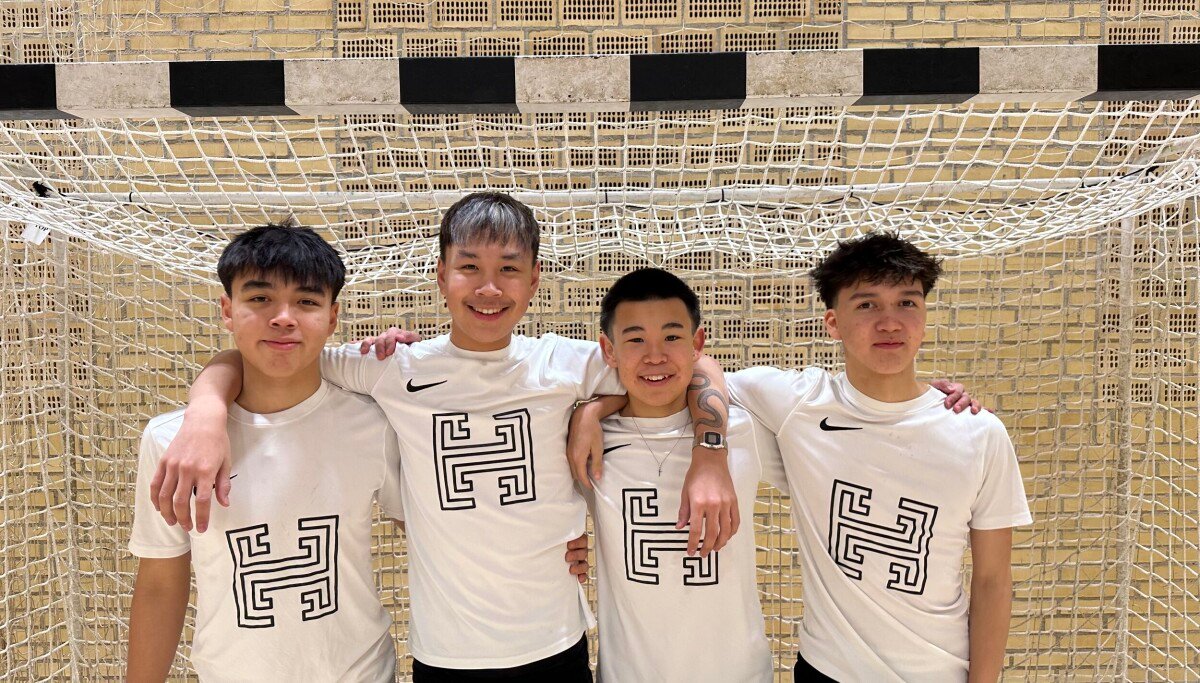
One of the after-schools that has good experience with students from Greenland is Halvorsminde Efterskole and Fri Fagskole in Hjørring. This school year they have 22 students from Greenland. The school has a completion rate of 95-98 among Greenlandic students, which is far higher than the national average.
According to deputy principal Lise Mikkelsen, this is due to several measures on the part of the school.
– We hold weekly coffee parties for the Greenlandic students. Previously, we had a Greenlandic woman from the local area who came by every week and talked to the young people, but this year we have employed a part-time teacher from Greenland, who regularly has conversations. You have to remember that the young people are far away from home and need an extra carer. In addition, I myself have been to Greenland twice this year and held an information meeting with the prospective students and their parents. I think it is important that they can see that we value the young people from Greenland who contribute to creating diversity in our student body. We have students from all over the world, which helps to show the young people the strength of diversity, says Lise Mikkelsen, and adds that the most important thing is that students choose a post-secondary school that suits their interests.
Special admission procedure
According to the Afterschool Association, schools that wish to admit a Greenlandic student should have a special admission procedure.
The purpose is to ensure that the student himself wants to attend post-secondary school. At the same time, the procedure must reveal whether the student has the academic, personal, social and linguistic prerequisites for the stay. In addition, it should be ensured that the student knows what is expected of him, writes the Afterschool Association, which refers to of the Board of Education digital platform Iserasuaat for after-school students and their parents, where useful information can be obtained about, for example, Greenlandic students’ cultural and language meetings in connection with after-school stays in Denmark.
Special reception procedure
Schools that wish to admit a Greenlandic student should also have a special reception procedure to ensure that the student gets a good start on the after-school stay. It may be that the contact teacher takes special care of the Greenlandic students, that there is a special introduction course and that the Greenlandic students are given more peace to withdraw and time to adapt to the new framework.
All Greenlandic students should be assigned a special (adult) contact person at school who they can always go to. It can be a contact teacher, a mentor, a secretary or a teacher.
Schools must pay particular attention to pupils’ well-being at the start of school and just before Christmas, when dropouts are greatest.
Countering homesickness and loneliness
Schools must continuously work to counteract homesickness, loneliness and dissatisfaction, which are the main causes of student dropouts. This can be done by cooperating with De Grønlandske Huse on matchmaking, and by cooperating with the region’s other schools with Greenlandic students. For example, in the form of weekend meetings, sporting events and joint excursions.
This can also be done by holding coffee meetings at regular intervals and having Greenlandic speaking friends who come to visit once a month. And this can be done by using the tools from the Efterskoleforeningen’s well-being project Me&Wewhose purpose is to strengthen young people’s social skills, social relationships and social communities in order to protect them against dissatisfaction.
Bridge building and cultural interpreters
Schools that admit Greenlandic students are also recommended to Efterskoleforeningen’s new video project “Paaseqatigiitta – learn to understand each other” and the project’s associated dialogue questions, which, among other things, are about building bridges and cultural interpreters between Danish and Greenlandic young people, about what friendship is and how to make friendships across the board.
This article is from the education newspaper, which can be read for free via the link here