The United Nations General Assembly issued Resolution No. 76/262, issued on April 26, 2022, which is considered one of the important decisions in developing the role of the General Assembly in confronting the use of the veto within the Security Council.
It is known as the “Veto Initiative,” and its official title is:
“A permanent commitment to hold a debate in the General Assembly when the veto is used in the Security Council.”
First: What is the content of the decision?
The decision includes five basic executive paragraphs:
1. Holding a General Assembly meeting: Decides that the President of the General Assembly shall convene a formal meeting within ten (10) working days of a permanent member of the Security Council exercising his veto, to discuss the situation in respect of which the veto was used, unless the Assembly is in emergency special session on the same situation.
2. Giving priority to the state with the veto: The permanent state or states that used the veto will be given exceptional priority on the list of speakers during the debate.
3. Submission of a special report from the Security Council: The resolution calls on the Security Council, based on Article 24 (3) of the United Nations Charter, to submit a special report to the General Assembly on the use of the veto, at least 72 hours before the debate.
4. Inclusion of the veto clause: Inclusion of the topic “Use of the Veto” in the provisional agenda of the seventy-seventh session, with its continued consideration in accordance with the resolution.
5. Application of the procedure during the seventy-sixth session: The decision confirmed the application of the meeting mechanism also to veto cases that occur during the remainder of the seventy-sixth session.
The importance of the decision lies in three things:
* Subjecting the use of the veto by the five permanent members to public discussion before the General Assembly.
* Strengthening political oversight and accountability within the United Nations.
* Providing the 193 members of the United Nations with the opportunity to express their positions on the use of the veto and its effects.
However, it should be noted that the resolution does not abolish the right of veto, does not grant the General Assembly the power to nullify or veto the veto, and does not make the recommendations of the General Assembly binding on the Security Council merely because they are issued.
Third: The importance of the decision in relation to the Western Sahara issue
In the context of the expiration of the legal mandate of MINURSO, and in view of the American draft resolution that attempted to forcefully jump on the principle of self-determination for the people of Western Sahara, which raises the question about the limits of the Security Council’s jurisdiction in determining the final status of Western Sahara, Resolution 76/262 can be used in the following cases:
* If a permanent member state uses its veto against a draft resolution related to Western Sahara.
* The President of the General Assembly can call a formal meeting within ten working days.
* Member states can discuss the legal and political justifications for vetoes.
* The discussion can be used to document international positions on decolonization and self-determination.
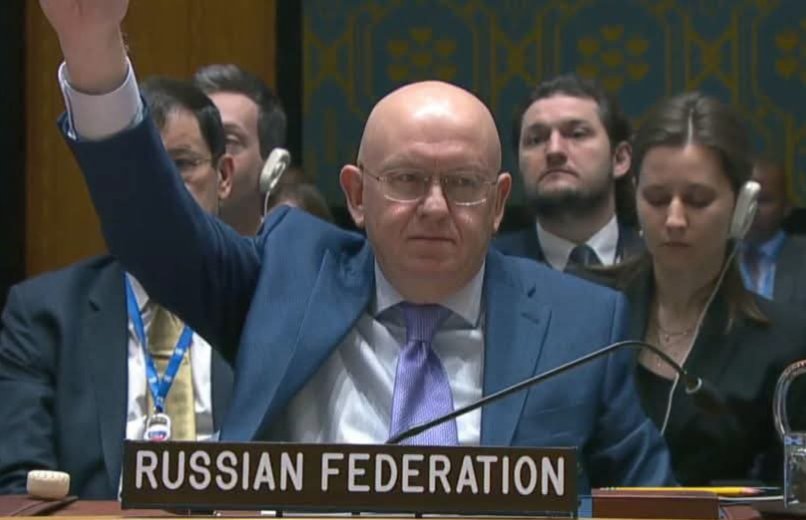
Accordingly, it is expected that the President of the General Assembly, Mr. Khalil Rahman, the Minister of Foreign Affairs of Bangladesh, will call for a regular session of the General Assembly to discuss the use of the Russian veto, and it will be an opportunity to test the waters of Morocco’s plan that Bourita stated by directing them now to the Decolonization Committee and the General Assembly to remove the Western Sahara region from the list of the 17 regions that are still registered with the United Nations as territories that have not yet enjoyed autonomy?
If the matter is confirmed, we will witness a new diplomatic marathon between Morocco, France and their allies, the Polisario, Algeria and their allies, and the ferocity of this battle will be no less than what happened in the Security Council sessions on Western Sahara last October.