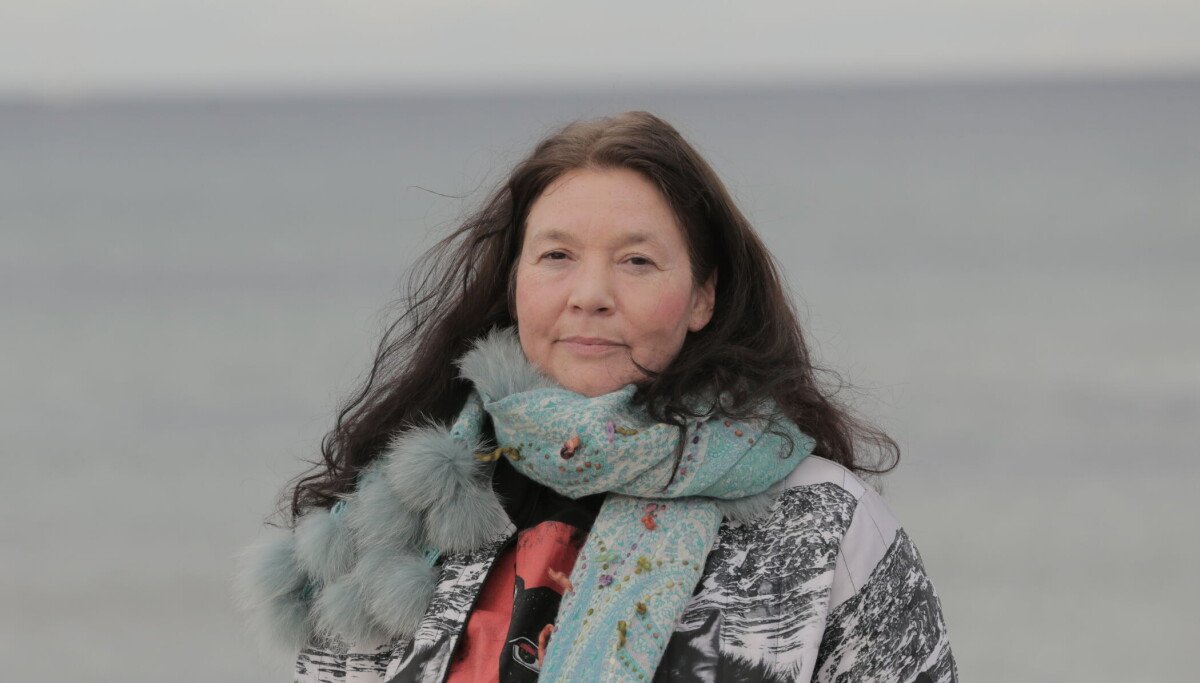
Anja Hynne Nielsen’s son was only a few days old when she became aware that something was wrong.
– He only used one side of his body and both eyes were locked to the side. When I think back on it today, I think it is absolutely outrageous that there were no doctors who reacted to the obvious signs at the time, says Anja Hynne Nielsen, who ended up taking her son to a chiropractor, as the family was on Christmas holiday in Denmark anyway. At that time the son was four months old.
– The chiropractor immediately said that we should rush to the hospital, where they started a lot of investigations. It turned out that he had had a blood clot in the brain in connection with the birth, and that this had given him half-sided paralysis in the leg, arm and face, as well as epilepsy.
– We didn’t come home after the Christmas holidays, because he needed specialized training and treatment. And it was decisive for us to choose to stay in Denmark rather than return to Greenland, says Anja Hynne Nielsen, whose son is now 18 years old and currently studying at Frederiksværk.
Access to health services
A new report published by the National Research and Analysis Center for Welfare (VIVE) has taken a closer look at why we move from Greenland to Denmark, and here access to health services is mentioned as a major reason. Not least for parents of children with physical or mental disabilities who need specialized help and support.
One of the interviewees in the report explains that she did not experience “that the Greenlandic healthcare system could meet her own or their children’s needs.” The report also describes general challenges in the healthcare system, “which are highlighted both in the public and political debate as a contributing reason why some choose to move from Greenland to Denmark.”
Had to fight for his rights
For Anja Hynne Nielsen, however, the years in Denmark were not without challenges. Because although there was access to specialized treatment and training, she experienced the legislation as a large jungle and the municipal employees as reluctant and slow in relation to offering the help she and her son needed and were entitled to.
– Among other things, I complained about the lack of support and the municipality’s repeated attempts to remove my lost earnings and my son’s training. In one case, it took almost two years before the Appeals Board finally gave me full support. Despite this, several years passed before the municipality, after several battles, finally followed the Board of Appeal’s decisions, says Anja Hynne Nielsen, who was then awarded home training in the form of physiotherapy, occupational therapy and cognitive training, which led to a significant development in her son.
– At the same time, I found out that it was very decisive which municipality you live in, as access to help and support varies. And if you move from Denmark to Greenland, you have to count on starting all over again.
Great ignorance about the disability area
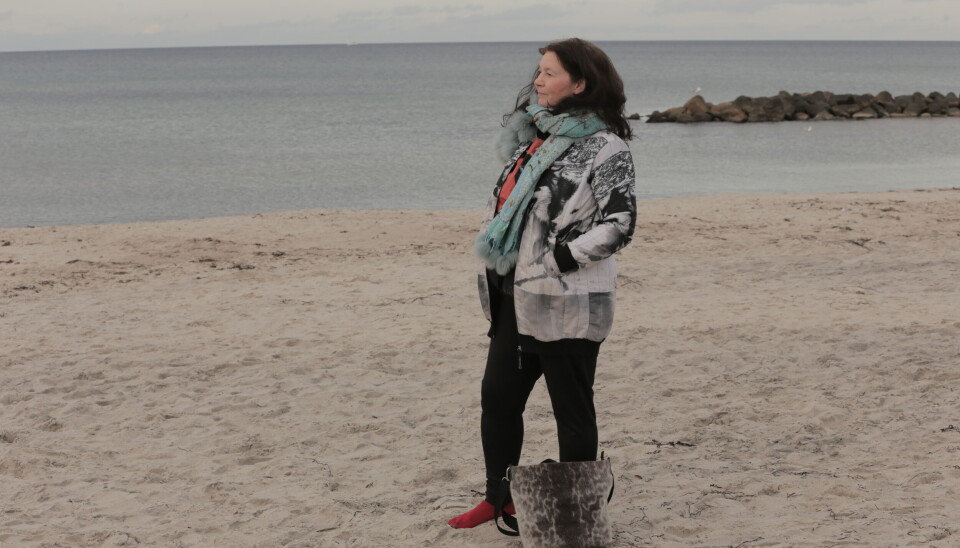
Anja Hynne Nielsen knows this from experience, because she moved home to Greenland in 2021.
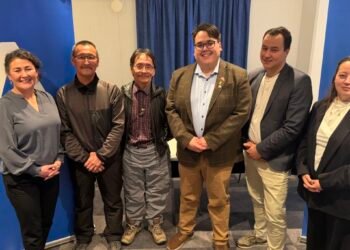
– When I was offered the job as disability spokesperson, I saw an opportunity to get back to our roots and family – something that both my son and I dreamed of. At the same time, I hoped that through my work I could contribute to improving conditions for people with disabilities in Greenland. However, I also had my concerns about returning.
Anja Hynne Nielsen therefore investigated in advance whether the son could get the necessary help, which was confirmed by both the Danish and the Greenlandic authorities, but the reality turned out to be completely different.
– During the three years we lived in Sisimiut, he did not get the help and treatment he was entitled to. We experienced a great deal of ignorance about disability and a lack of coordination between the municipality, school and other agencies, which had consequences for his development and opportunities. Only thanks to my network and my knowledge I found other solutions for my son so that we could stay. We ended up traveling back to Denmark in the middle of 9th grade for completely different reasons.
Calls for a more coherent healthcare system
Back in Denmark, however, the challenges were not over and the family had to fight all over again.
– I tried to get the school and municipality to cooperate to secure his rights, but he ended up not getting his graduation exam timely. And the municipality also did not secure the statutory one preparation of the transition to his adult life. Again, we ourselves have had to fight for his right to education and have had to find a solution ourselves so that he can achieve his goals, says Anja Hynne Nielsen, who would like better cooperation between Greenland and Denmark, so that families do not have to start all over again when they move.
– The knowledge and documentation that already exists about a child’s needs should accompany the child, so that the support continues without unnecessary interruptions. In addition, I believe that children with disabilities should be given the opportunity to receive treatment and support in Greenland that corresponds to what they can get in Denmark. Families should not be “bound” to a certain municipality or part of the kingdom because one needs help.
– All in all, the disability area must be given a much higher priority and thought about in several parts of society, including schools, educational institutions and municipal services. Early support should not only be seen as an expense, but as an investment in both the individual child’s future and society, says Anja Hynne Nielsen.