Dairy and sheep farmers are to receive drought-tolerant grass under a government pilot project aimed at securing animal feed supplies ahead of a potentially very strong El Niño event extending into next year.
The initiative comes amid concerns about a shortage of hay and other forage, with dry conditions and pasture fires contributing to reduced availability earlier this year.
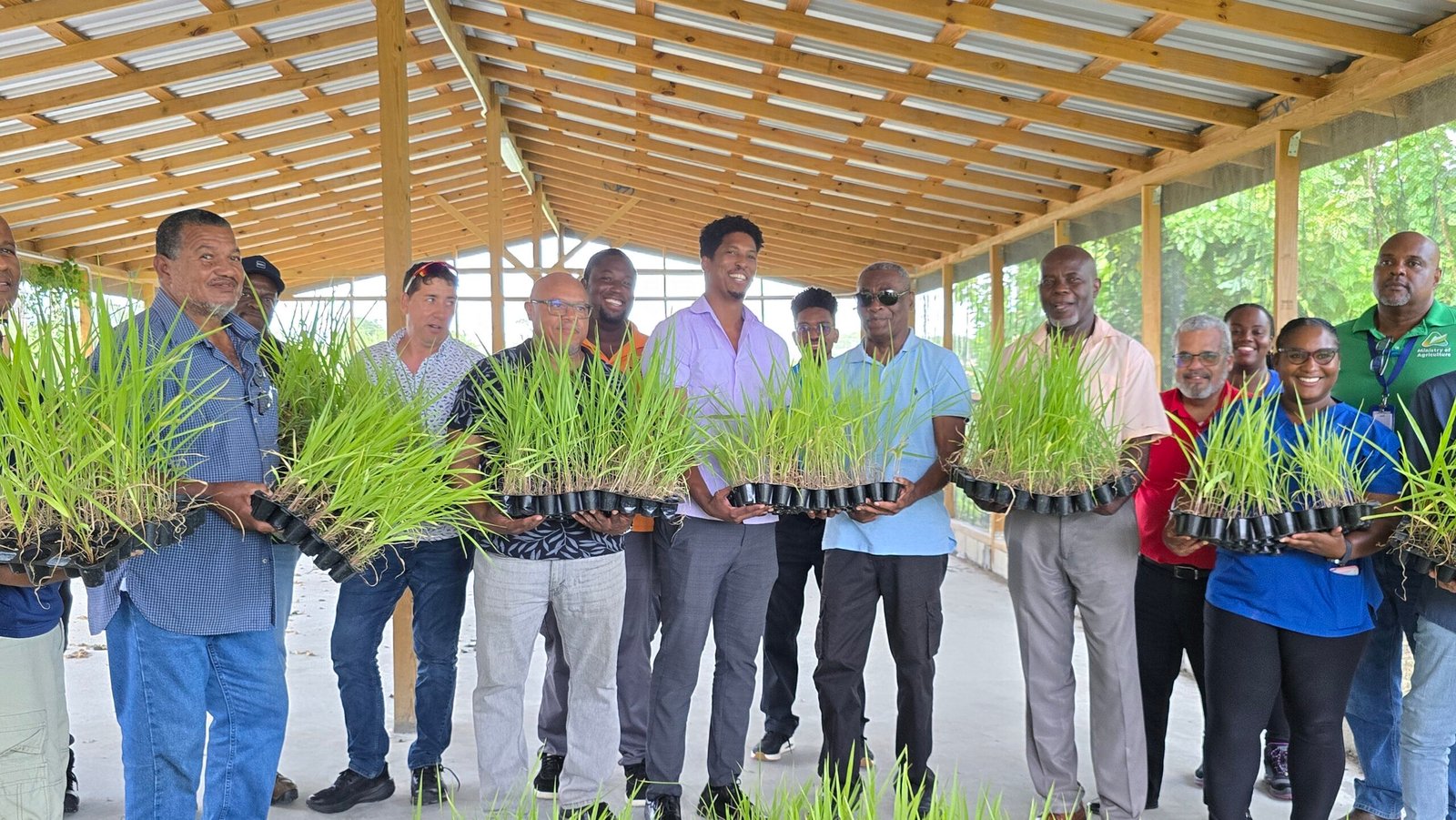
The Ministry of Agriculture on Thursday launched a high-quality forage pilot project, which is expected to benefit between 10 and 15 farmers. Forage, the plant material consumed by animals, includes grasses, legumes and shrubs, which provide nutrients to support livestock production.
According to Chief Agricultural Officer Paul Lucas, the farmers would receive trays of the Cayman variety, which they could use to establish their own plots and eventually multiply the grass.
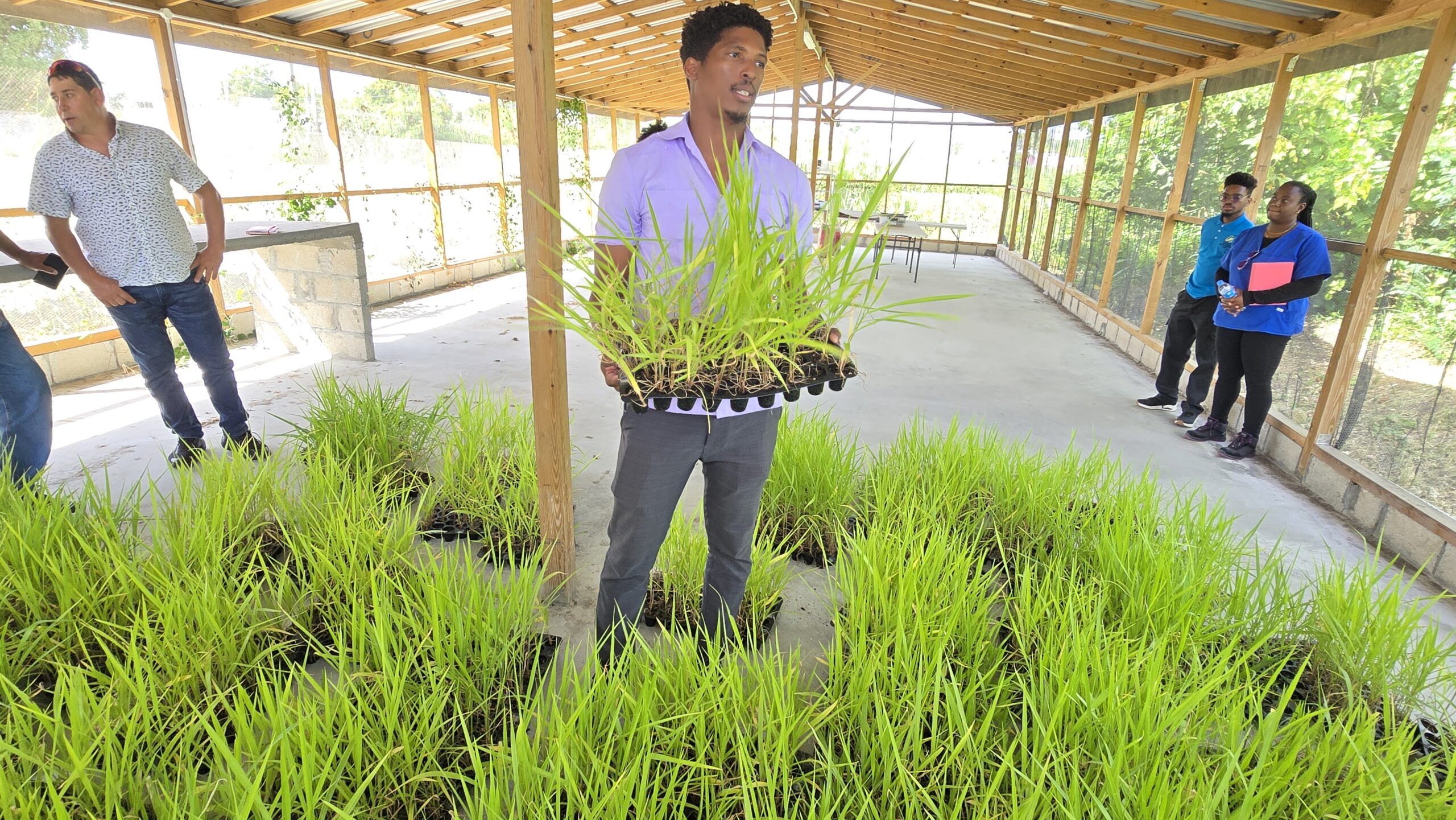
Cayman is a hybrid tropical grass developed through breeding work by the International Centre for Tropical Agriculture and evaluated and selected in Mexico. Grown for livestock feed, it combines drought tolerance with an ability to cope with waterlogged soils, making it suited to areas that experience both dry spells and periods of excess rainfall.
Lucas said: “This is one of the high-quality forages, and it’s something that we believe is going to help build the capacity of the farmers on the island, especially as we go into the new year where we have issues related to drought and the El Niño event.
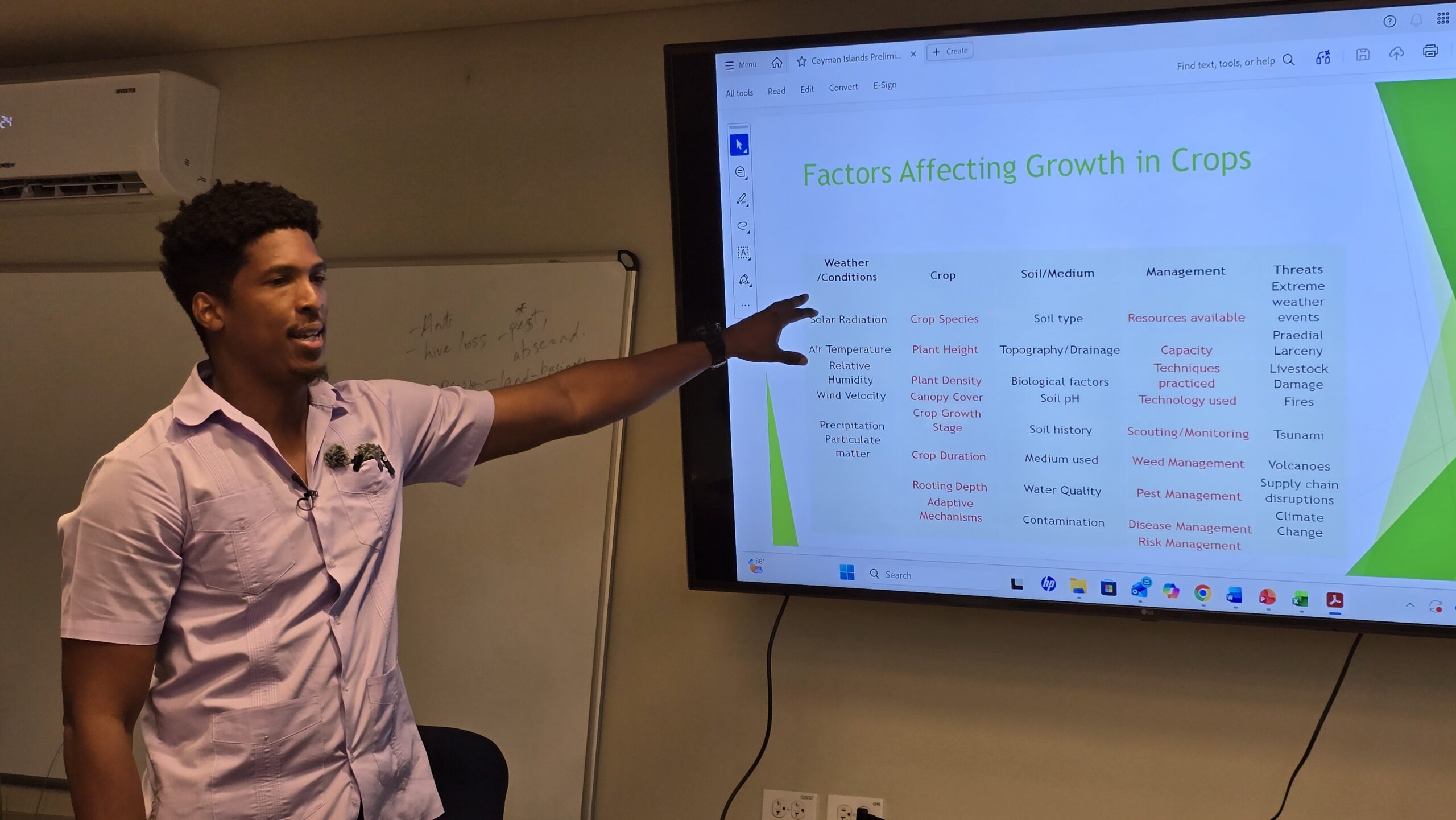
“This is just one of the initiatives from the Ministry of Agriculture in support of the livestock industry in particular, and we hope that in the next three months we have some well-established spots using the Cayman variety.”
The ministry hoped to establish plots across the island, and participating farmers were also expected to encourage others to grow the forage after seeing its benefits, Lucas said.
Lucas said initial growth could be expected within about four weeks, depending on planting methods and management, while the grass could take another six to eight weeks to become well established after transplanting.
The Cayman variety was selected for its ability to withstand drought, heat and waterlogged conditions, making it potentially useful during periods of prolonged dry weather as well as heavy rainfall, he added.
“It has a number of benefits because in one instance it’s very drought tolerant and heat tolerant and the other instance is able to manage waterlogged conditions. In the event that there’s a prolonged drought, then one spike in a rainfall event that leads to flooding, this is able to withstand the initial flooding.”
Outgoing Dairy and Beef Producers Association president McDonald Stevenson commended the initiative, calling it a start toward securing forage supplies ahead of the anticipated dry conditions in 2027.
Lucas also identified other forage varieties, including Camelo, Simbaza, Mulatto and Cabra. Mulberry was also recommended as a high-quality forage when used in combination with commercial feed.
(LG)