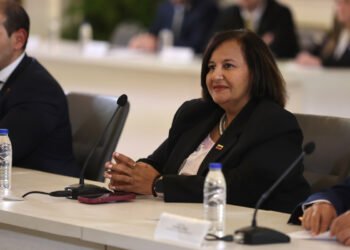
Transparency in selection of the new judges of the Supreme Court of Justice (TSJ) faces questions after lawyer Raquel Sánchez denounced obstacles to reviewing the candidacies and the inclusion of files corresponding to a previous call that was annulled.
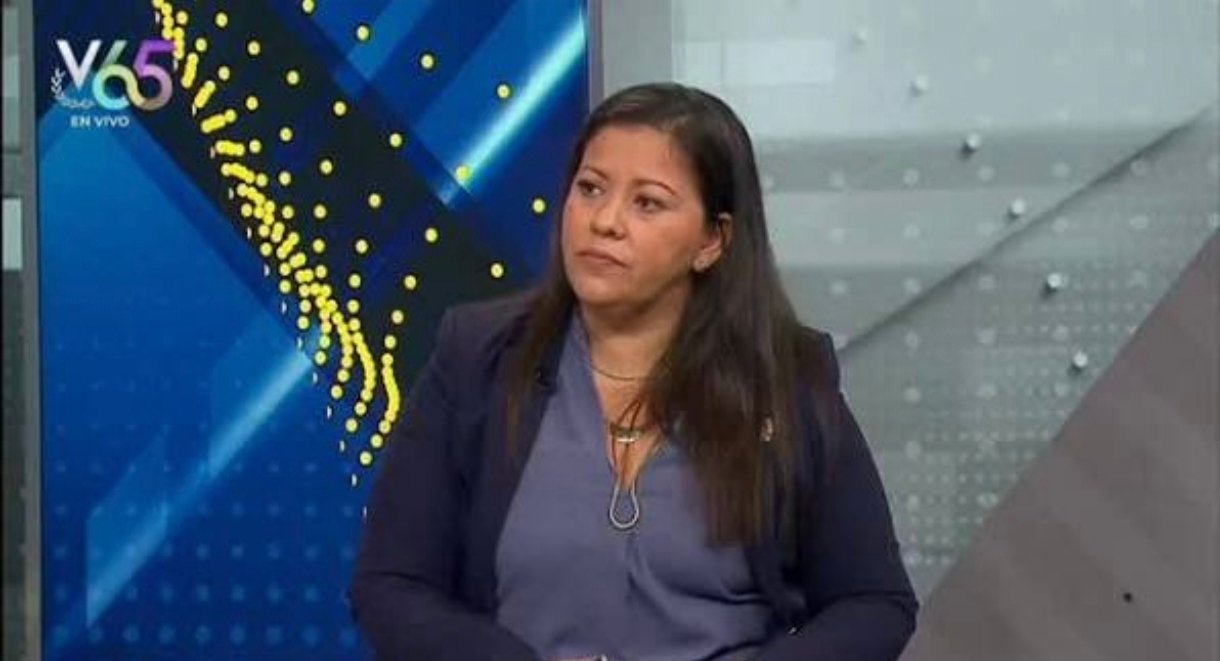
Sánchez, member of the representation of civil society in the Judicial Nominations Committee and member of Foro Penal, exposed the irregularities this Wednesday in an interview with Venevisión. The lawyer insisted that the procedure must be adjusted to a new call, instead of incorporating applications from a previous process.
“We are in a new process. There must be a new call, and from there there must be new applications,” he stressed.
Another aspect that he questioned was the way in which the files will be distributed among the members of the committee. He warned that this measure, supposedly justified by reasons of time, would prevent all members from examining all the candidacies. The review is relevant to verify compliance with the requirements, including the renunciation of any political-partisan militancy.
Civil organizations question restrictions and demand transparency in judicial applications
“For reasons of time, supposedly, they are going to be distributed. We do not agree in that sense. Some of the members of the committee have stated that we want to have the full scope of the review of all the folders (of the candidates), because that is precisely our function,” Sánchez indicated.
Lawyer Alí Daniels, co-director of the Access to Justice organizationdescribed the allegations as “serious” and defended the right of each committee member to consult all the files.
“This is proof of why the ruling party never wanted authentic representatives of civil society on the Nominations Committee,” said Daniels in X.
The Committee for the Freedom of Political Prisoners (Clippve) also spoke out, asking to resume the procedure to respect the agreed conditions and avoid limitations on access to information.
“The judicial nomination process begins from scratch, as agreed,” the organization demanded. In addition, he demanded that the folders be digitized and available in real time for the members of the committee, as well as the participation of civil society in the board of directors of that body.
Alert for political ties in the judicial nominations committee
The debate occurs while the National Assembly advances in the renewal of the TSJ. Parliament announced on Tuesday the opening of applications to fill the positions of magistrates and last week swore in the 12 civil society representatives who make up the committee along with 11 deputies.
The composition of the body in charge of evaluating applicants has also been questioned. An investigation by Transparencia Venezuela identified links with Chavismo in two of the civil society representatives. By including the eight deputies identified as close to the ruling party, the organization counted 10 members related to the ruling party. According to the report, nine other civil representatives had no known political ties, while no information was available for one. In the parliamentary component, only three opposition deputies are part of the body.
The renewal of the highest court is linked to the agreements reached in August between a sector of the opposition and Chavismo at a dialogue table backed by the United States. The process takes place in a context of questions about judicial independence and the guarantees of participation of civil society in the election of magistrates.