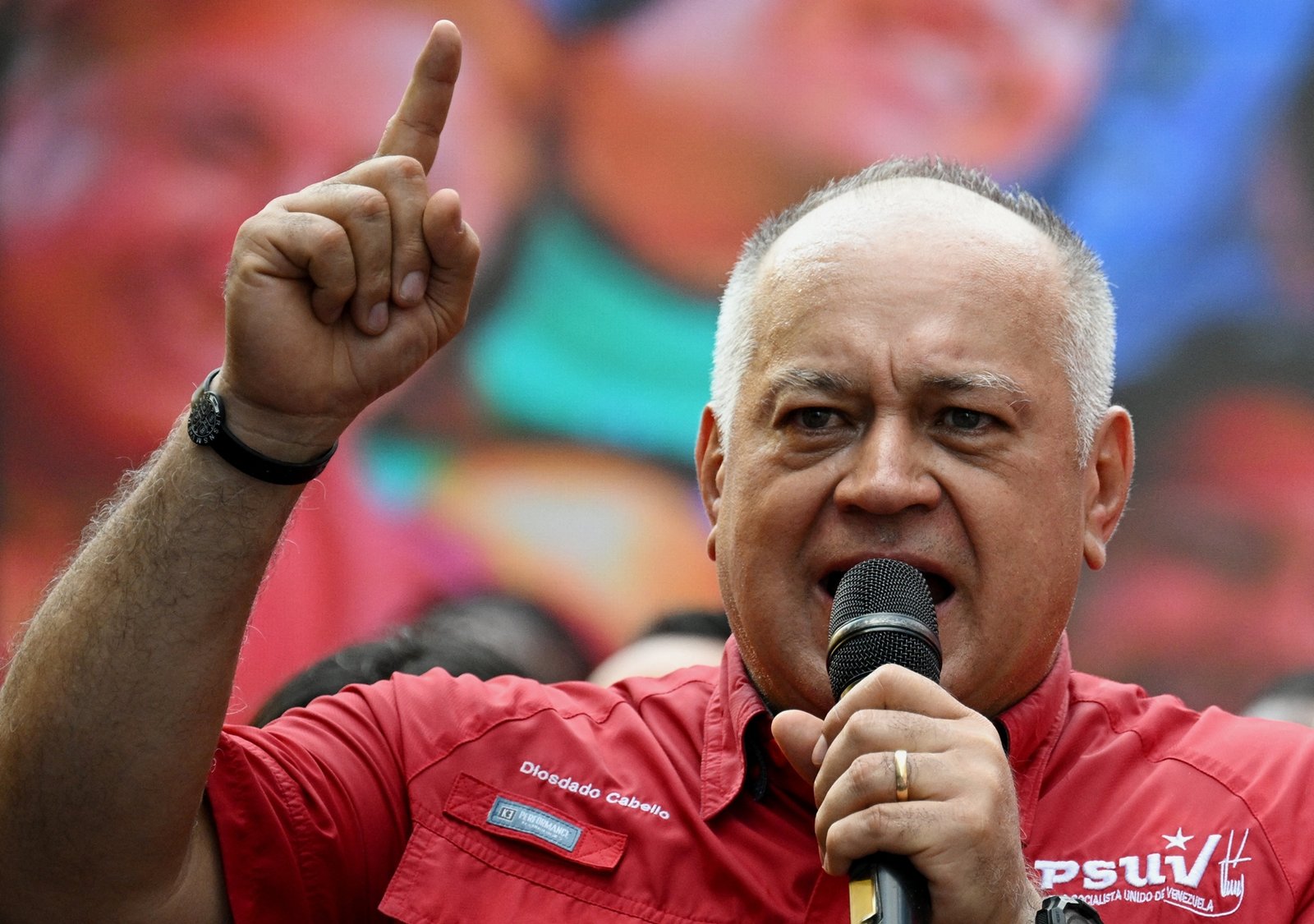
He general secretary of the United Socialist Party of Venezuela (PSUV) Diosdado Cabello This Monday he rejected that there are persecutions against those who return to the country, after the public reappearance of the opposition leader María Corina Machado, who led a caravan from the state of Lara to Caracas on Sunday.
During a press conference of the official organization, Cabello assured that the opposition’s return did not merit the public attention it received and maintained that the government has reiterated that those who are outside Venezuela can return.
“Since when are we saying that whoever wants to come should come? There are no persecutions for anyone here. Then they put on a show. We have been saying for some time to leave the show and everyone who wants to come will come,” said the also Minister of the Interior, when asked about the position of the PSUV regarding the arrival of Machado.
The statements coincided with the criticism of the president in charge, Delcy Rodríguez, who also questioned the way in which the opposition leader returned to Venezuelan territory. Rodríguez maintained that Machado could have used the airport facilities available instead of making a public appearance.
“The show could be avoided, there are the airports, there are some transitory structures (of the airport) that people, as I said, have very good comments, so let’s get away from the show,” Rodríguez expressed to the media at the end of an event at the Dr. Carlos Arvelo Military Hospital, in Caracas.
The president did not specify how Machado entered the country or offer details about his journey. Instead, he insisted that there are alternatives for those who wish to return, with a reference to the facilities of the Maiquetía international airport.
Machado returns to Venezuela between support, tensions and negotiations
Machado reappeared on Sunday after spending nearly ten months outside Venezuela. Her arrival was accompanied by demonstrations of support from her followers, who took to the streets to welcome her with slogans of “freedom” and demand presidential elections in 2027.
The leader led a caravan of vehicles from Lara, where she made her first public appearance after her return, to Caracas. His arrival occurred after several frustrated attempts to return and amid expectations about the role he will play in the Venezuelan political scene.
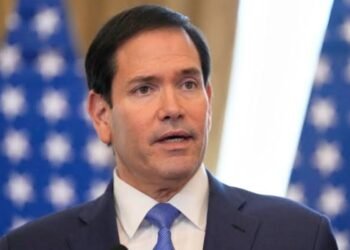
The Secretary of State of the United States, Marco Rubio, attributed Machado’s return to Washington’s mediation efforts. As indicated by the US administration, the Venezuelan interim authorities had been informed that the opponent should be able to return to the country.
Before leaving Venezuela, Machado spent nearly a year in hiding, after denouncing irregularities in the 2024 presidential elections and facing the risk of being detained. In those elections, the National Electoral Council (CNE) proclaimed Nicolás Maduro the winner, but did not publish the results broken down by center and voting station.
Machado’s return occurs in a context of political tensions and negotiations between the interim government and sectors of the opposition. However, the Vente Venezuela movement, led by the leader, does not participate in the conversations that the authorities have with other opposition forces.