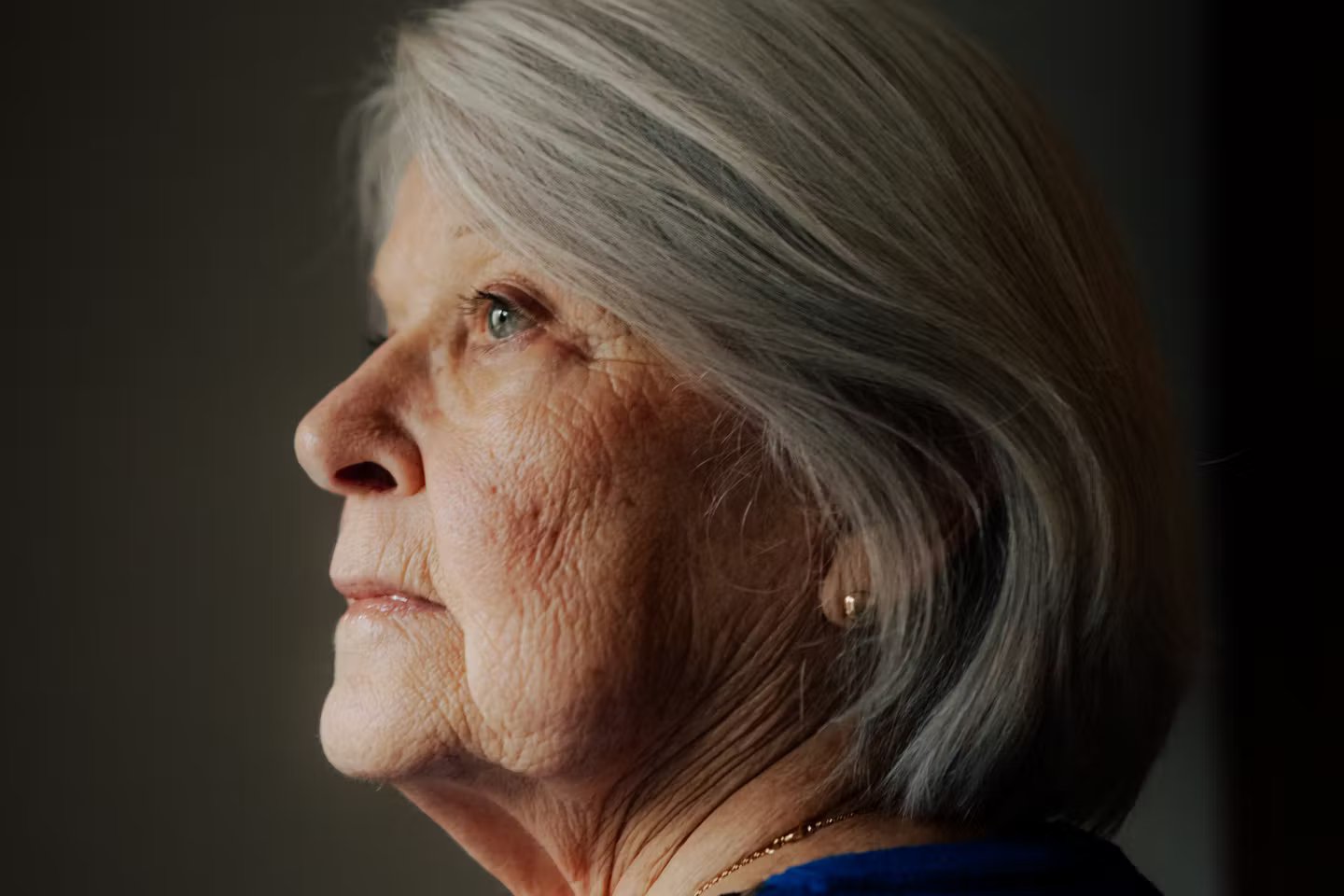
Maryvone Raveneau had never seen so many cameras and journalists as she did on September 25, the day of the verdict in the trial of former French president Nicolas Sarkozy over alleged Libyan funding of his 2007 presidential campaign. She quickly slipped away, returning straight home to the 15th arrondissement of Paris, left alone with the emotion of having been “finally” heard. “We got an answer,” she reflected, a few days later. “It was tangible, even if I take no pleasure in anyone going to prison.” Her home is her family vault: There are photos everywhere, hanging on the walls and placed on furniture, including a portrait of her husband, Georges Raveneau, in uniform. He was the pilot of UTA Flight 772, which exploded over the Ténéré Desert in Niger, one of the most hostile regions of the Sahara, on September 19, 1989, when a suitcase bomb planted by Muammar Gaddafi’s Libyan secret services went off.

“Even if you hate dogs, you have to admit they have white teeth,” said the widow. The native of Martinique applies this Creole saying to Sarkozy and his “remarkable” communications strategy. The former president, who has appealed his conviction of criminal conspiracy and sentence of five years in prison, a €100,000 fine, and a five-year ban on holding public office, has woven a narrative of supposed revenge by the judges against him. (His appeal trial is set for March 16 to June 3, 2026.) That narrative also aims to erase, in the public’s mind, the weight of the 170 deaths in the bombing organized by Abdallah Senoussi, Gaddafi’s brother-in-law who was found guilty of the terrorist crime in 1999 by the French judiciary. In 2005, Senoussi then secretly met with Claude Guéant and Brice Hortefeux, two close advisers to Sarkozy.
You have 83.72% of this article left to read. The rest is for subscribers only.