DEBATE ON THE DEFENSE AGREEMENT
The five parties support closer defense cooperation with the USA in different ways, but the debate in Inatsisartut shows disagreement about the economic benefits of the agreement, the democratic involvement and Greenland’s future influence. Naleraq is highly critical, while several parties demand better control and follow-up.
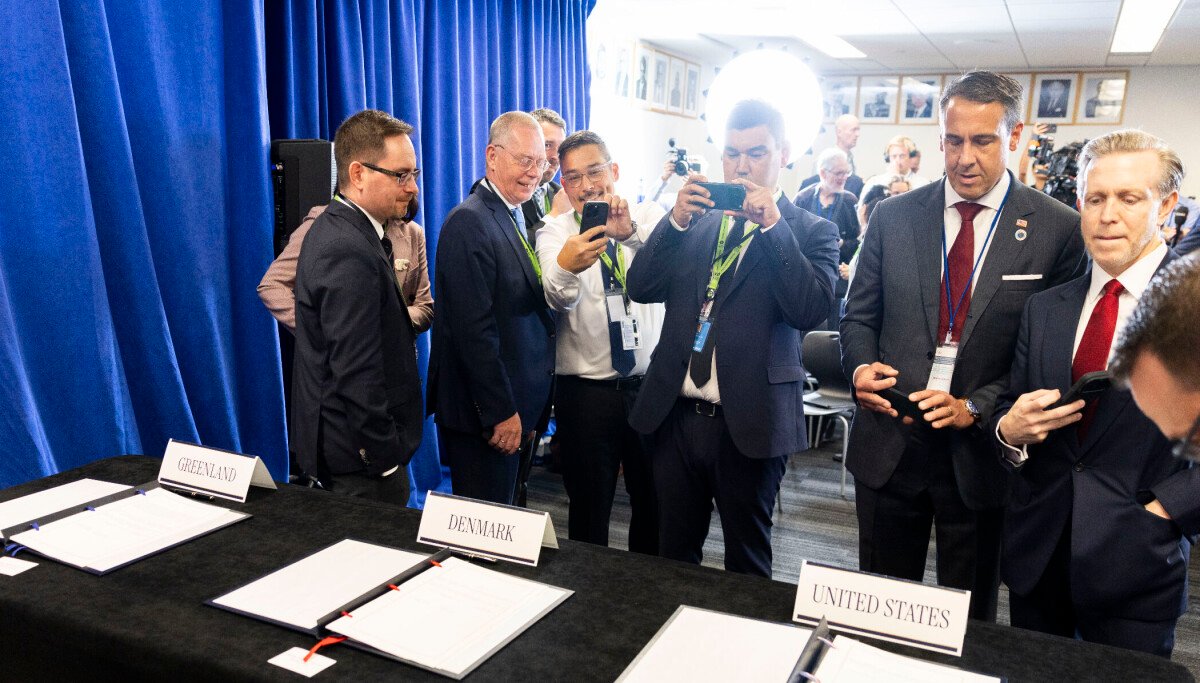
Inatsisartut first treated the defense agreement between Greenland, Denmark and the USA on Monday 12 October. The debate was, among other things, about Greenland’s security, economic interests and influence on the implementation of the agreement.
Naalakkersuisoq for foreign affairs, Múte B. Egede (IA), highlights the agreement as the result of an important diplomatic effort in a serious security political situation.
– Naalakkersuisut has not pretended that we have been threatened. Our country has been under threat. That is the reality, he says.
He explains that the negotiations had to be completed quickly in order to create greater security and re-establish cooperation with the United States.
– We haven’t had the world’s time to draw up this agreement, he says.
Among other things, the agreement opens up the possibility of American defense areas in Narsarsuaq and Mestersvig and contains recognition of the Kingdom’s sovereignty and the Greenlandic people’s right to self-determination.
Naleraq: They have agreed to the framework before the population knows the content
Naleraq’s chairman, Pele Broberg, criticizes the agreement for giving the USA extensive rights without ensuring Greenland a fixed financial payment.
– The US gets extensive rights in our country. The Greenlandic people get no guaranteed fixed payment for those rights, he says.
He also criticizes that Inatsisartut was not included during the negotiations.
– Our knowledge, our experience and our criticism could have been used while the result could still be influenced. The negotiations have now been concluded. Now we assess the result, says Broberg.
He believes that Greenland’s international importance must be felt through better education, work, infrastructure and economic security.
– They have agreed to the framework before the population knows the content, he says.
Inuit Ataqatigiit: Requirements for inspection and annual briefing
Inuit Ataqatigiit support the agreement, but demand clear plans for how it will be implemented and how local communities will be protected.
The party’s speaker, Mimi Karlsen, emphasizes the fear that arose after the American statements about Greenland.
– The anxiety increased in line with statements that he must own our country because of defense and security, she says.
She calls for answers as to who is to control military activities and who is responsible for accidents and clean-up.
– Who will be responsible for the control? Who will be responsible when accidents happen, and how will clean-up be ensured? she asks.
The IA requires that Naalakkersuisut inform Inatsisartut at least once a year about the implementation of the agreement.
Siumut: The work to translate the agreement into concrete results is just beginning
Siumut basically supports the agreement, but believes that the 1951 defense agreement should have been renegotiated in its entirety.
Erik Jensen criticizes the closed process:
– Naalakkersuisut’s completely closed handling of the negotiations vis-à-vis the population, the parties and the elected officials has created insecurity, he says.
Among other things, the party is calling for payment to the national treasury for the Americans’ use of land, clean-up at former military installations and a follow-up group to ensure that the agreement is respected.
– Siumut regards the new agreement as an extremely important step. However, the work to convert it into concrete results is only just beginning, says Jensen.
Democracy: Greenland is not just a big spot on the map
Vivian Motzfeldt from Demokraatit highlights the agreement as a strengthening of Greenland’s position and influence.
– We have ensured that we are the rightful owners of our land, she says.
She emphasizes that Greenland must be recognized as a people with its own rights.
– Greenland is not just a big spot on the map, Greenland is not just the ice sheet, she says.
During the debate, Demokraatit wanted the agreement to proceed to second reading in its current form. However, after questions from the floor, Motzfeldt clarified that the party is open to the agreement being sent for committee consideration if there is a majority for it.
Atassut: We have to choose NATO
Atassut’s chairman, Aqqalu C. Jerimiassen, supports the agreement and highlights the opportunities for, among other things, Greenlandic companies and a more active role for the airport in Narsarsuaq.
He emphasizes, however, that Greenland must be realistic about the US’s role.
– The USA is our friend. But that doesn’t mean we expect our friend to always be kind, he says.
His conclusion is clear:
– We have to choose NATO, and it is difficult to avoid the USA, says Aqqalu C. Jerimiassen.
The defense agreement must still be dealt with in the committee before the second reading
The defense agreement between Greenland, Denmark and the USA must nevertheless be dealt with in the Foreign Affairs and Security Policy Committee before the second reading. This is stated by the chairman of Inatsisartut, Kim Kielsen (independent), the day after the debate in Inatsisartut on 12 October 2026.
During the debate, there was a difference of opinion as to whether the agreement should be sent for committee consideration. Demokraatit initially wanted the proposal to proceed to second reading in its present form, but the party declared itself open to committee consideration if there was a majority for it.