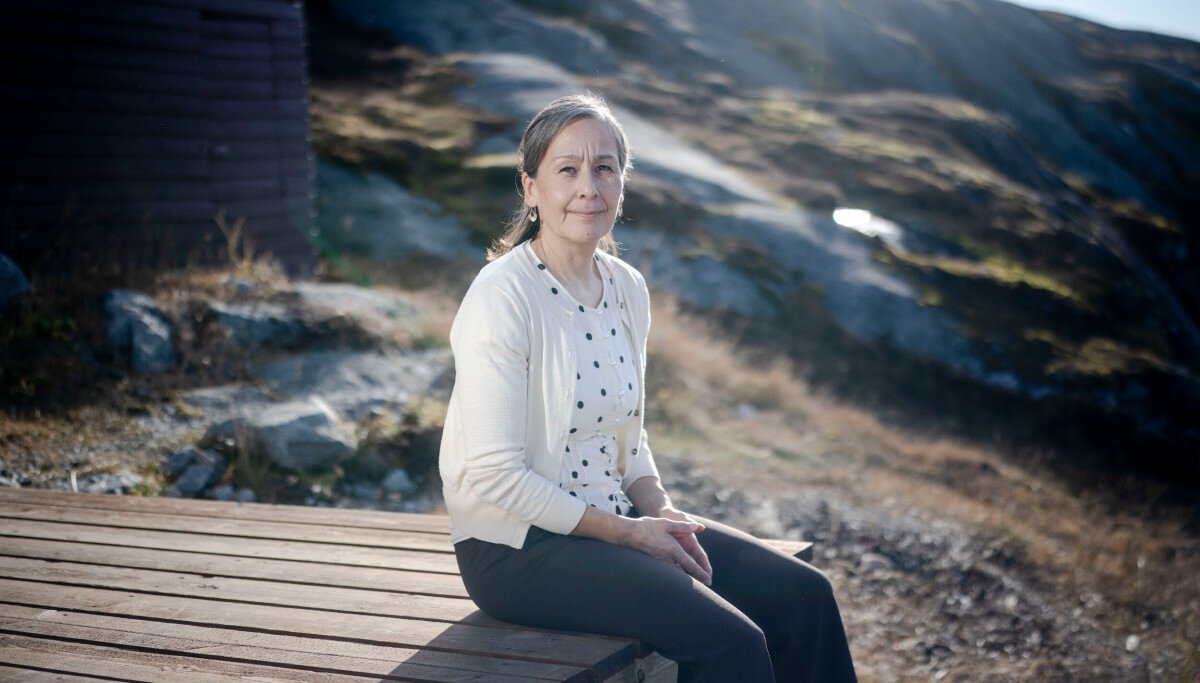
When people with alcohol addiction abruptly loses access to alcohol as in Kujalleq Municipality, it can create an acute crisis for them, which is a shared social responsibility to deal with, believes psychotherapist and trauma therapist Andrie Sørensen, who has himself been alcohol-free for 26 years.
– You can say that the body will “scream for” the alcohol.
– It can be reminiscent of how the body reacts when a strong need such as hunger is not met. Physical addiction is not only about desire and willpower, but can be serious bodily reactions that require treatment, she says and points out that, according to the Patient Handbook, severe alcohol withdrawal can cause tremors, sweating, anxiety, confusion, hallucinations and convulsions and require emergency medical attention.
The alcohol ban is a double-edged sword in families. On the one hand, in some homes it can provide a much-needed break from alcohol-related unrest and neglect and create security for the children, while in other families the alcohol ban can lead to desperation, unrest and conflicts and in some cases threats or psychological and physical violence, she explains.
Alcohol dulls the difficult emotions
Alcohol can also be used by addicts to dampen difficult emotions, inner turmoil, stress in the environment or trauma reactions, and when the alcohol disappears, it becomes more noticeable, explains Andrie Sørensen.
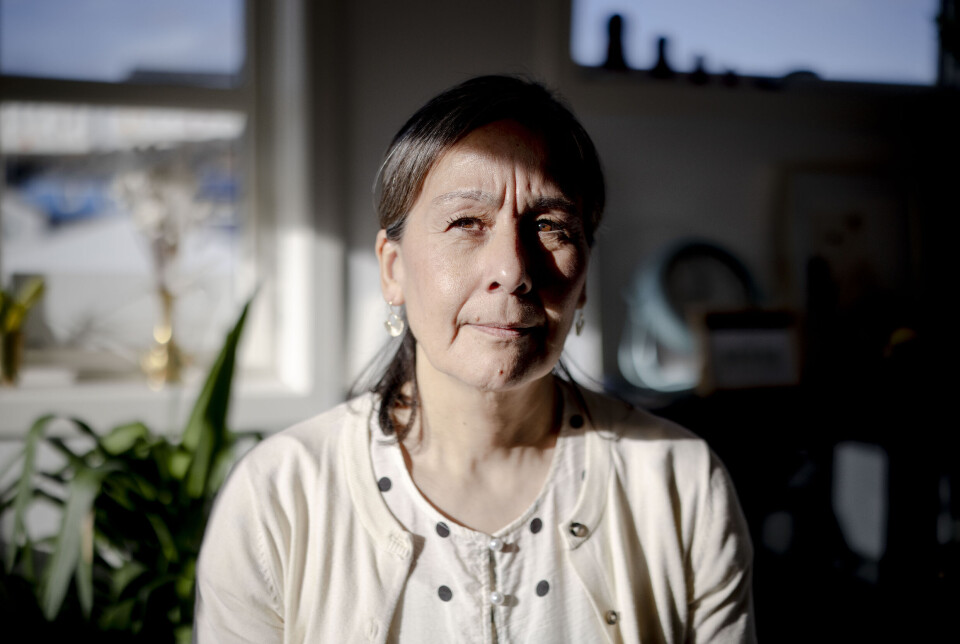
She has both experience with alcohol addiction through her work as a school teacher for 30 years, where she has met children of alcoholic parents, just as she herself has been alcohol-free for 26 years after being in treatment because she could not stop on her own and used AA for years to maintain a life without alcohol.
As a psychotherapist, she emphasizes that it is important to understand what function alcohol has for the individual person:
– If it is used to deal with difficult emotions or inner turmoil, it is important to offer help to deal with this in other ways, she says and emphasizes the need for support, community and security for both the addict and the relatives:
– There are many healthy ways to find peace and regulate oneself in life, so that alcohol and other drugs do not become the only refuge.
She also points out that the authorities must be aware that a ban cannot stand alone and should be followed by a clear action plan, which includes both emergency help and long-term treatment:
– A break can make us stop, open our eyes and ears and take the situation seriously. A ban can limit access to alcohol, but help is also needed for the addiction and the problems that may lie behind it. The next of kin should not bear the responsibility alone. The responsibility lies with all of us: politicians, police, municipalities, healthcare, treatment services and the rest of society, she explains.