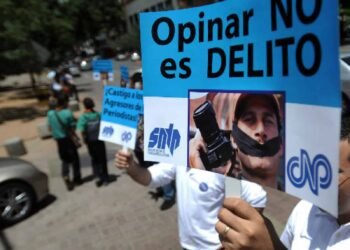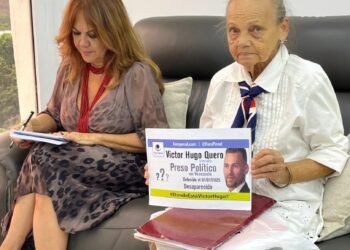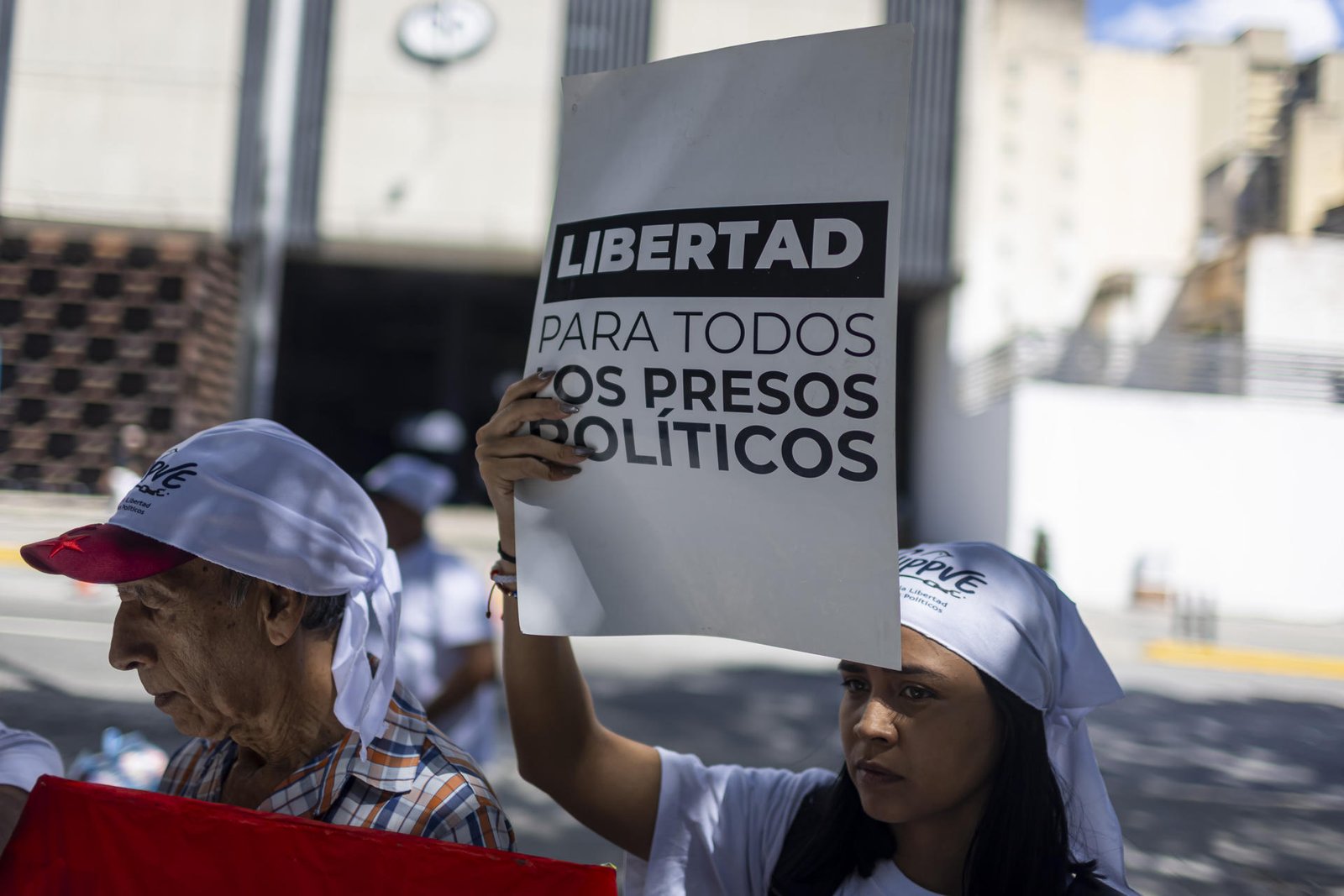
The NGO Foro Penal, which leads the defense of political prisoners in Venezuela, stated this Wednesday that, according to its records, less than 25% of the releases that have occurred this year in the country are due to the Amnesty Law, enacted last February.
Gonzalo Himiob, vice-president of the organization, pointed out in a message on
“If the Government has other data, we will be happy to verify it, but an official report has not been published with the list of those favored by the amnesty,” he commented.
This percentage corresponds to 186 releases out of a total of 786 documented by the organization since last January 8, according to a publication by the NGO also in X.
Foro Penal also shared a graph with the evolution of registered releases, which shows a peak of amnesties in the first week since the promulgation of the norm, on February 20, followed by a progressive decrease until an almost total slowdown since March 19.
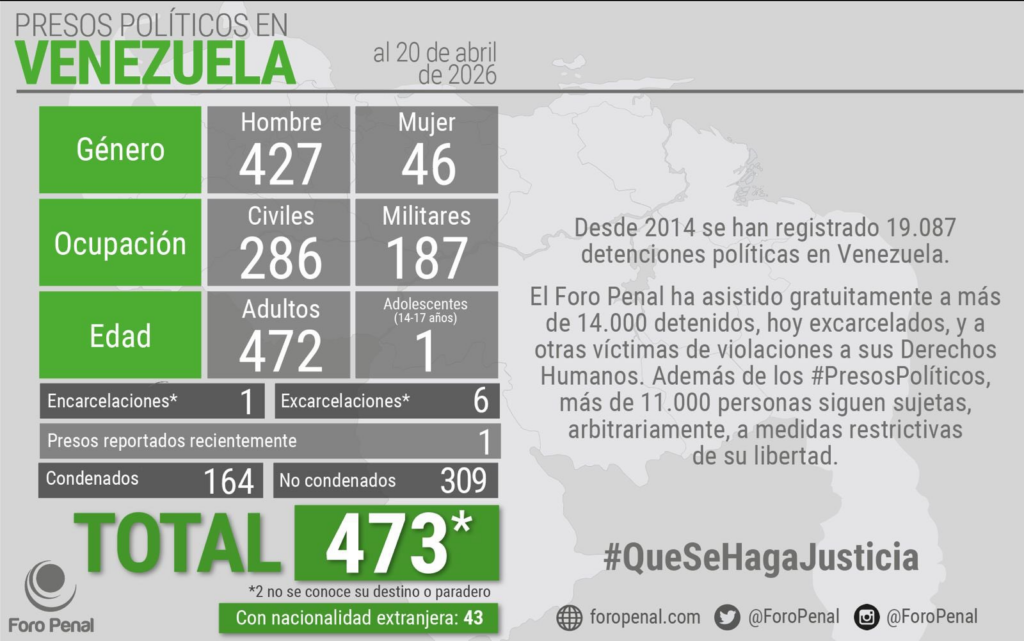
This NGO reported on Tuesday that it has 473 political prisoners in the country, including 43 foreigners or Venezuelans with another nationality.
According to its records, since 2014, 19,087 political arrests have been documented in Venezuela, while “more than 11,000” people are held with precautionary measures that restrict their freedom, such as a ban on leaving the country or a regime of periodic appearance before courts, measures that the NGO considered arbitrary.
Foro Penal has denounced that the Amnesty Law, enacted in February, has become a “funnel to slow down or paralyze the freedom of many.”
Within the framework of this legislation, promoted by the president in charge, Delcy Rodríguez, the authorities have reported more than 8,000 people granted amnesty, of which the vast majority had restrictive measures of freedom.
The Venezuelan authorities have not yet published a list with the identities of those granted amnesty, despite the public request of the United Nations High Commissioner for Human Rights, Volker Türk.
Last Tuesday, a group of former political prisoners denounced to the staff in Caracas of the Office of the United Nations High Commissioner for Human Rights (OHCHR) delays and denials of amnesty requests.