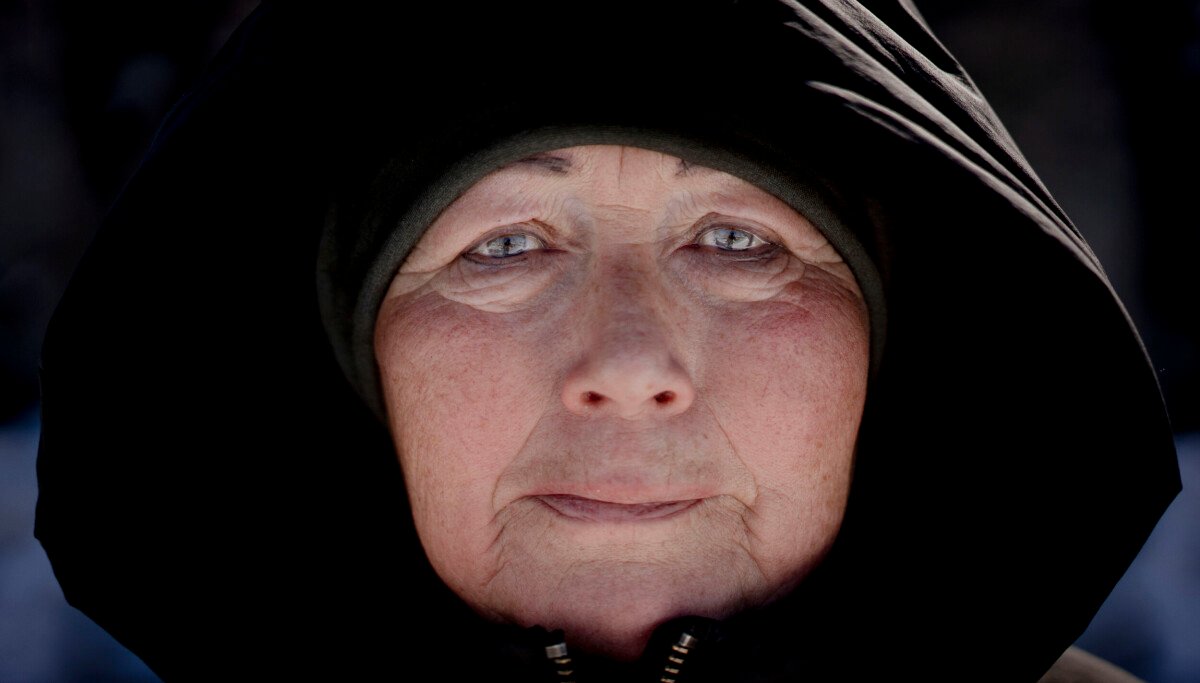
A foul-smelling vapor hits us in the nosewhen we open the door. Cigarette butts lie strewn on the floor. Old food products are left open and the kitchen sink is filled with what looks like months-old dishes. There is broken glass on the floor and the room only has a sofa and a small coffee table. The walls are dull yellow from cigarette smoke. We are visiting one of the vulnerable, whom Johanne Høegh regularly visits and delivers food to. If she didn’t come and knock, no one would come by.
It is taboo to be exposed in our culture
When we step outside after the visit, Johanne Høegh points up to the apartment and exclaims.
– That’s what drives me so crazy. The one we just visited is from a family of prisoners.
Her voice breaks before she continues.
– I can get so upset about how Greenland has suddenly become apartment buildings instead of sealers. Kristine Johanne Høegh points towards the apartment we have just left.
We continue up the hill behind the hall with a strong northerly wind against us that makes our cheeks harden.
– It is taboo to be exposed in our culture, asserts Johanne Høegh and continues:
– These people are not only overlooked by the municipality. They are also overlooked by the population. We need many more volunteers in this area, but it is very difficult to find volunteers.
My own municipality overlooks the vulnerable
Johanne Høegh remembers the moment clearly. The experience that led her to, voluntarily, start distributing food to the homeless and vulnerable in Qaqortoq. She points towards the burn on our walk around Qaqortoq.
– I had to go out and deliver some waste to the incinerator. Then there was a man who came out. I thought: Why is he coming out of there?
Johanne Høegh wondered. Why did he get out of there, she thought. Turns out he was looking for food.
– I couldn’t get it out of my head when I got home. I went to see him afterwards and helped him with food, she says with a strained voice.
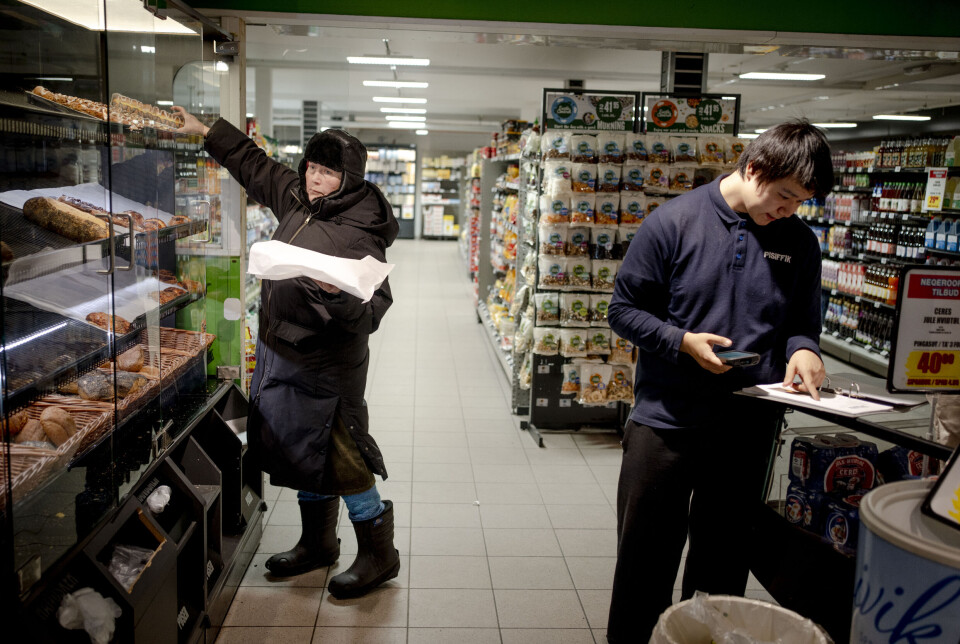
The experience took place several years ago, but changed Johanne Høegh forever. She is not Mrs. Just anyone. She most recently won the PiSiu award 2026 for her great social work in Qaqortoq. Several times a week she goes around with bread and foodstuffs and checks on several vulnerable citizens. Some homeless. Others exposed in other ways. All trapped in the system.
– My own municipalityMunicipality of Kujalleq, overlook them. Everyone overlooks them (the vulnerable citizens ed.) Those from down in the municipality greet me badly enough because I confront them with the lack of action, she says
From time to time, Johanne Høegh raises her voice when she talks about the conditions of the vulnerable in Qaqortoq, and there is no doubt that she is angry. She is angry aboutthat no more is done from Naalakkersuisut and Municipality of Kujalleqs page. That there, according to her, money is being handed out left and right, but nothing is being done for them, who need it most. According to Johanne Høegh, the explanation for the problem must be seen in the difference between rich and poor.
– The inequality is too great. There is a problem in the distribution of the money, she says.
Johanne Høegh has visited people on the fringes of society for many years and sees a clear trend.
– There are more and more vulnerable citizens who need help. It is absolutely safe, she says.
Alcohol consumption just shifts to hashish instead.
Many of them, who need help are former institutional children who get an apartment, when they fhowls 18, but which then does not gets help for other things, Johanne Høegh explains, while she scouts beyond that, she herself calls the slum in Qaqortoq.
– They have stayed removed from their family and have lived in an institution and hereafter the relationship with the family has been destroyed. Ergo, you cannot get help with the family longer, and then they stand completely on their own two feet.
Johanne Høegh buys food with money from her own pocket. Once in a while there are local donors who give lump sums or gift cards. She is a familiar face and politicians greet her at public events. They have all heard of her efforts.
– But that doesn’t give me more money to help the vulnerable, she states dryly.
Prohibition causes abuse to move to hashish
The municipality of Kujalleq introduced an emergency alcohol ban on Friday 2 October, among other things to put a stop to the violent episodes that have taken place recently.
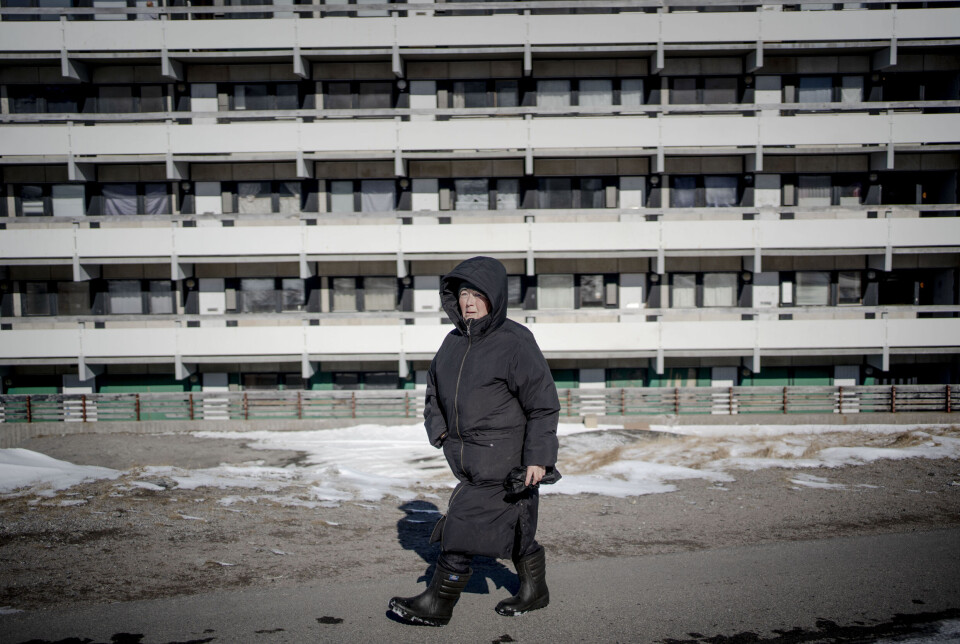
But the alcohol ban should have been introduced a long time ago, thinks Johanne Høegh. She sees how the alcohol ban is positive for some, but she sees at the same time as well, how alcohol ban often entails that the abuse moves.
– Many of those who are already well are happy about it (alcohol ban ed.). There are no more after parties. But the hash dealers are also happy. Alcohol consumption just shifts to hashish instead.
She thinks the best solution going forward should be more.
– It is important that there is a system in place. Just like they do in Iceland, it would work well if alcohol sales are separated from grocery sales. And then unemployment must be fought. There is too little work in general. There are many things that need to be resolved for the vulnerable citizens.
The dream of a hostel in Qaqortoq
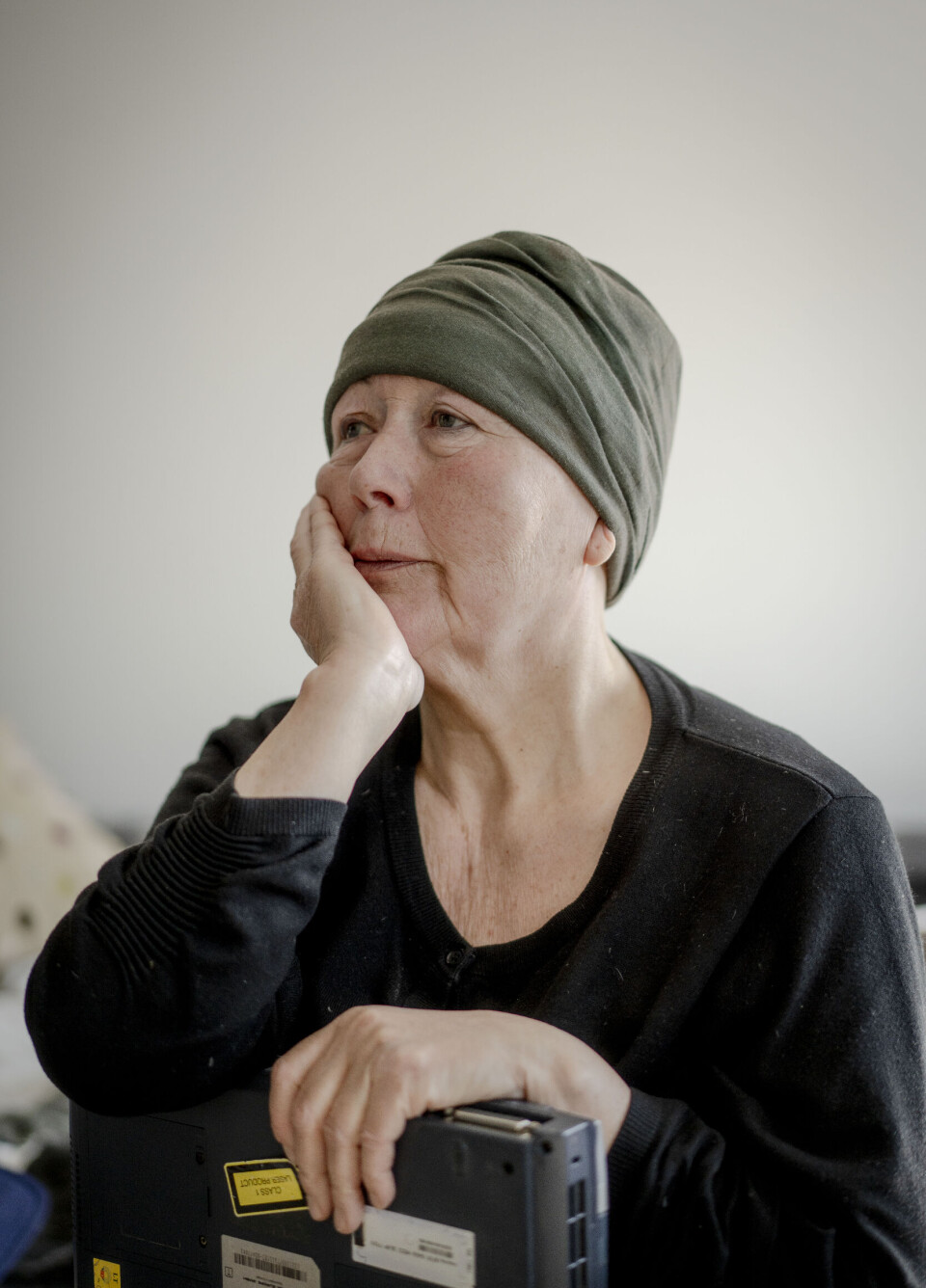
She is sharp around the edges, Johanne Høegh. You either like her or you don’t, she says of herself. After the city walk, we went up to her apartment.
As sharp as she is, she is just as soft at heart when it comes to vulnerable citizens. She dreams of creating a home where the vulnerable can come and find security in an insecure everyday life.
Qaqortoq has no place for homeless people to stay overnight. No hostel. As a result, many of the vulnerable citizens areas it is right now, left to themselves.
As I walked out the door, I broke down. These people have NOTHING.
– When I open a home (hostel red) there must be a game night for people. That’s why I have hidden them, she says and reaches under her bed in her small apartment, where she finds several computers.
Another part of the plan for a hostel is to collaborate with, among other things, cruise ships.
– It is obvious that we can get some of their food if they have to throw it away anyway. Last year they gave us a lot of good food. They had heard that I distribute food in the city and then they came by with a whole lot of food.
Personal consequences
I ask Johanne Høegh, whether her many experiences with vulnerable citizens get under her skin.? She looks me in the eye and is silent for five seconds. Her look reveals that the answer is complex.
– You get used to it, she says a little cynically at first, but then continues:
– I once asked a man, who has nothing that I should buy him. He had to choose entirely himself. He said “bread”. As I walked out the door, I broke down. These people have NOTHING, she says.
When you, like Johanne Høegh, stand up and shout against the wind, there will also be someone who believesthat one must sit down in shelter among the others and keep one’s mouth shut. And Johanne Høegh has also felt the consequences by his fight for the vulnerable citizens. Long before the alcohol ban was introduced.
– There are many who cannot accept me. I think they do this for attention, she says.
– Everyone has a calling. It’s not just me. There are many who do not find their calling. We must help them, she says.